
Montevista | Direct Burial Explained: Process, Costs and Considerations
Direct Burial Explained: Process, Costs and Considerations


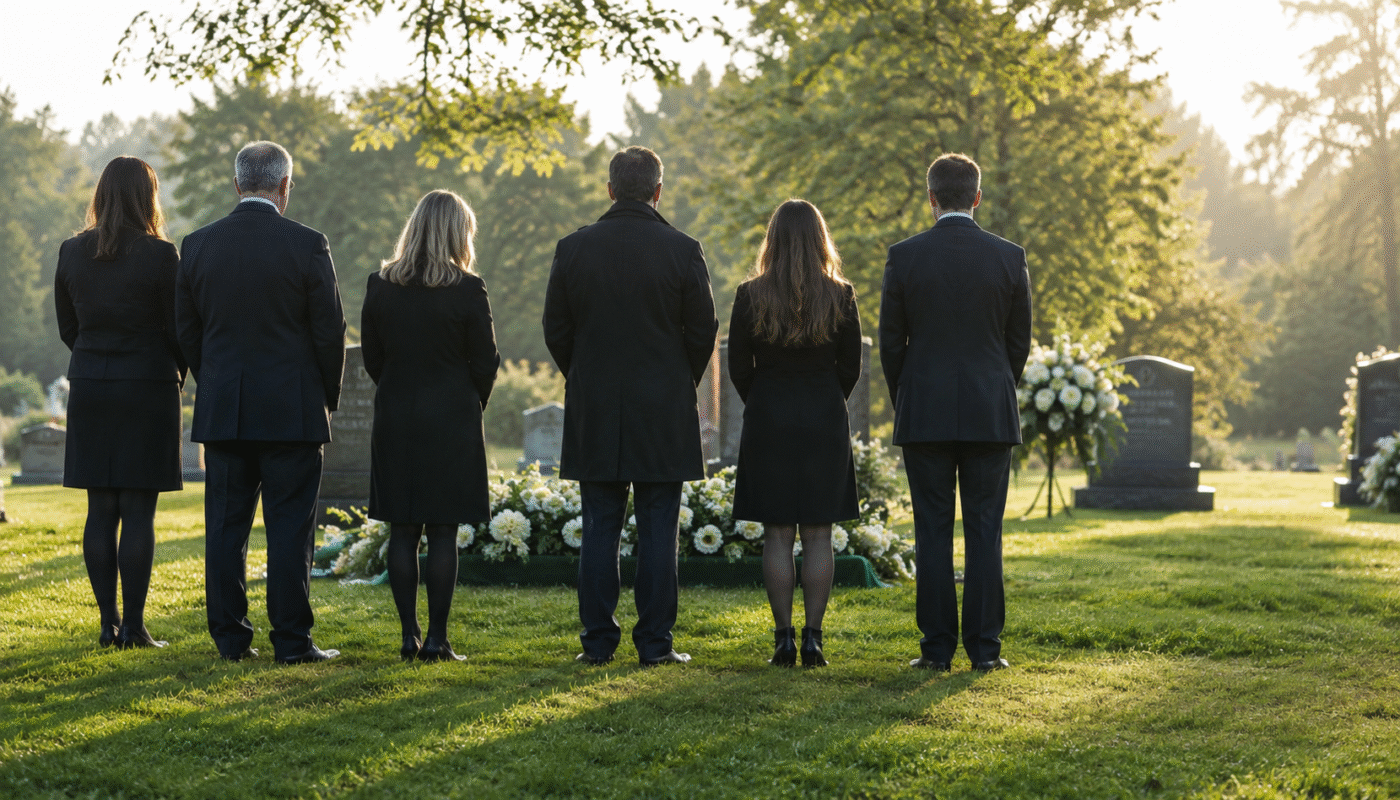
Direct burial is the simplest burial option available—burial shortly after death without embalming, viewing, or funeral services beforehand. The deceased is buried in a basic casket within 24-72 hours, creating a permanent resting place without the cost and complexity of traditional funerals. Families can hold memorial services later if desired.
This simple approach costs significantly less than traditional burial while still providing a physical location where family can visit. It works particularly well for families prioritizing affordability, simplicity, or religious traditions requiring quick burial.
This guide explains what direct burial includes, how the process works, costs, benefits, who it works for, and how it compares to other options.
In This Article: – What Is Direct Burial? – How Direct Burial Works – Direct Burial vs. Traditional Burial – Direct Burial Costs – Who Chooses Direct Burial – Benefits of Direct Burial – Considerations and Limitations – Religious and Cultural Perspectives – How to Arrange Direct Burial – Key Takeaways
What Is Direct Burial?
Direct burial is burial that occurs shortly after death without embalming, public viewing, or funeral service beforehand.
What’s Included
Direct burial typically includes: – Transportation from place of death to funeral home – Basic services of funeral director and staff – Refrigeration to preserve body temporarily (no embalming) – Basic casket or alternative container – Transportation to cemetery – Cemetery plot (purchased separately if not owned) – Opening and closing grave – Death certificates filing and copies – Burial permit and required paperwork
What’s NOT Included
Direct burial does not include: – Embalming – Public viewing or visitation – Use of funeral home facilities for services – Funeral ceremony before burial – Hearse for formal procession – Limousines – Elaborate casket (basic option provided) – Burial vault (may be required by cemetery) – Grave marker or headstone (purchased separately)
These elements can be added for additional cost, but they’re not part of basic direct burial.
The Key Difference
Direct burial’s defining characteristic: burial happens quickly (24-72 hours) without embalming or services beforehand. Everything else is stripped to essentials.
How Direct Burial Works
Understanding the timeline helps you know what to expect.
Step 1: Initial Contact
When someone dies, contact a funeral home offering direct burial services. You’ll need to: – Provide deceased’s information – Confirm direct burial preference – Discuss casket options (basic wood or cloth-covered) – Arrange payment – Complete authorization forms
Step 2: Body Transportation and Care
The funeral home transports the body from place of death to their facility. The body is refrigerated (not embalmed) to preserve it until burial. Refrigeration maintains the body adequately for 24-72 hours.
Step 3: Body Preparation
Minimal preparation occurs: – Body is washed and dressed in simple clothing (if family provides) or kept in hospital gown – Placed in selected casket – No cosmetics or extensive preparation
This differs dramatically from traditional preparation involving embalming and extensive cosmetic work.
Step 4: Documentation
Funeral home handles: – Filing death certificate – Obtaining burial permit – Coordinating with cemetery – Securing required authorizations
Step 5: Transportation to Cemetery
At scheduled time (usually within 24-72 hours), the body is transported to cemetery. This may be: – Simple transport van (not formal hearse) – Hearse if family requests (additional cost) – Direct transport without procession
Step 6: Burial
Cemetery staff: – Place casket in prepared grave – Lower casket into ground – Cover grave
Family may or may not be present. Some direct burials occur without family attendance; others include brief graveside presence of immediate family.
Step 7: Grave Closure
Cemetery fills and covers grave. Grass seed or sod is placed. The location is marked temporarily until permanent marker is installed.
Complete Timeline
From death to burial: typically 24-72 hours
This quick timeline serves: – Religious requirements (Jewish, Islamic traditions) – Families wanting immediate closure – Budget constraints (less time = less cost)
Direct Burial vs. Traditional Burial
Direct burial differs significantly from traditional burial services.
Traditional Burial Includes
- Embalming body
- Viewing/visitation (open or closed casket)
- Funeral service
- Formal procession with hearse
- Graveside committal service
- Reception after services
- Typically occurs 5-10 days after death
Cost: $7,000-$12,000+ in Bay Area
Timeline: 5-10 days from death to burial
Direct Burial Includes
- No embalming (refrigeration only)
- No viewing or visitation
- No funeral service before burial
- Simple transport to cemetery
- Burial within 24-72 hours
Cost: $2,000-$4,000 in Bay Area
Timeline: 24-72 hours from death to burial
Key Differences
| Element | Traditional Burial | Direct Burial |
|---|---|---|
| Embalming | Yes | No |
| Viewing | Yes | No |
| Services | Before burial | None (or later memorial) |
| Timeline | 5-10 days | 24-72 hours |
| Cost | $7,000-$12,000+ | $2,000-$4,000 |
| Casket | Often elaborate | Basic |
| Family Involvement | High | Minimal |
Direct Burial Costs
Direct burial costs significantly less than traditional burial.
Bay Area Pricing
Direct burial in Bay Area typically costs: – Budget providers: $2,000-$2,500 – Mid-range funeral homes: $2,500-$3,500 – Full-service funeral homes: $3,000-$4,000
What’s Included in Price
Base direct burial cost typically includes: – Professional services fee: $1,500-$2,000 – Basic casket: $300-$800 – Transportation: $200-$400 – Death certificates: $75-$150
Additional Costs
Separately purchased items: – Cemetery plot: $1,500-$5,000+ (varies dramatically by location) – Opening/closing grave: $800-$1,500 (paid to cemetery) – Burial vault: $1,000-$3,000 (if cemetery requires) – Grave marker: $1,000-$5,000+ (purchased later) – Upgraded casket: Additional $500-$5,000+
Total Out-the-Door Cost
Including cemetery expenses: – With owned plot: $2,500-$5,000 – Purchasing plot: $4,000-$10,000+
Cost Comparison
- Direct burial: $2,000-$4,000 (funeral home only)
- Direct cremation: $1,000-$3,000 (30-50% less expensive)
- Traditional burial: $7,000-$12,000+ (75% more expensive)
Direct burial costs 50-70% less than traditional burial while providing permanent grave location.
Who Chooses Direct Burial
Specific groups frequently select direct burial.
Budget-Conscious Families
When money is limited, direct burial provides: – Lowest-cost burial option – Permanent grave for visiting – Savings of $5,000-$8,000+ versus traditional burial
Religious Traditions
Jewish families: Orthodox Judaism requires burial as quickly as possible (within 24 hours) without embalming. Direct burial aligns perfectly with Jewish law (Halakha).
Islamic families: Muslim tradition mandates burial within 24 hours when possible, without embalming. Direct burial follows Islamic requirements for quick, simple burial.
Preference for Simplicity
People who: – Dislike elaborate rituals – Want minimal fuss – Value simplicity over ceremony – Prefer private family moments
Planning Later Memorials
Families who: – Want time to plan meaningful memorial services – Have family traveling from distances – Prefer separating burial logistics from memorial gathering – Want to plan without grief-fog and time pressure
Pre-Planners
Individuals pre-planning who: – Want to reduce burden on family – Prefer simple, affordable option – Have no preference for viewing or elaborate services – Want permanent grave without high costs
Benefits of Direct Burial
Direct burial offers multiple advantages.
Affordability
Direct burial costs 50-70% less than traditional burial—$2,000-$4,000 versus $7,000-$12,000+. This significant savings matters when: – Funeral expenses weren’t planned or saved for – Insurance doesn’t cover full costs – Family prefers spending money on living needs – Simple disposition is valued over elaborate ceremony
Permanent Memorial Location
Unlike cremation, burial creates a permanent place where family can: – Visit and feel connected – Place flowers and mementos – Gather on anniversaries – Maintain ongoing relationship with deceased’s resting place
Many people find comfort in having a specific location associated with their loved one.
Religious Compliance
Direct burial satisfies religious requirements for: – Quick burial without embalming (Judaism, Islam) – Earth burial rather than cremation – Simplicity and modesty
Flexibility for Later Services
Direct burial separates disposition from memorial services, allowing families to: – Plan meaningful services without time pressure – Wait for distant family to travel – Organize gatherings when ready emotionally – Create personalized celebrations without logistical stress of coordinating with burial
Simplicity and Speed
For families overwhelmed by grief, direct burial provides: – Minimal decisions required – Quick resolution – No complex planning – No hosting responsibilities for services
Environmental Considerations
Compared to traditional burial, direct burial: – Avoids embalming chemicals – Uses simpler casket (less resource-intensive) – May allow green burial practices – Can eliminate burial vault if cemetery permits
Considerations and Limitations
Direct burial isn’t right for everyone.
No Viewing Opportunity
You don’t see the body after death. This creates challenges when: – Viewing provides closure for your family – Seeing the deceased helps make death feel real – You want to say goodbye to physical person – Children need to understand death concretely
If viewing matters, consider brief private viewing before burial or choose traditional services.
Very Fast Timeline
Burial within 24-72 hours means: – Distant family may not arrive in time – Little time to process or plan – Quick decision-making required – Some may feel rushed through grief’s initial shock
No Community Gathering
Direct burial provides no structured service where: – Friends can support family – Community can mourn together – Stories and memories are shared – Formal goodbye occurs
You can address this with later memorial services, but immediate community support is absent.
Permanent Decision
Unlike keeping cremated remains (which can be buried later), burial is immediate and permanent. You can’t change your mind about: – Location (though you can disinter and move—expensive and difficult) – Burial versus cremation – Having services before disposition
May Feel Incomplete
Some families report feeling direct burial happened “too fast” or didn’t provide adequate closure. Later memorial services help but don’t entirely replace immediate ritual for everyone.
Family Disagreement
Not everyone understands or accepts direct burial. Traditional-minded family members may: – View it as disrespectful – Feel cheated of goodbye opportunity – Expect conventional funeral – Judge the choice negatively
Clear communication about reasons helps but may not prevent all conflict.
Religious and Cultural Perspectives
Different traditions view direct burial differently.
Judaism
Orthodox Judaism: Requires direct burial within 24 hours when possible. Embalming is prohibited except when required by law. Direct burial perfectly aligns with Jewish tradition emphasizing: – Quick return to earth – Simple casket – No viewing – Simplicity and humility
Reform/Conservative Judaism: More flexible but many still prefer quick, simple burial.
Islam
Islamic law requires burial as quickly as possible (within 24 hours ideally). Bodies are ritually washed, wrapped in simple shroud or placed in plain casket, and buried without embalming. Direct burial matches Islamic requirements.
Christianity
Most Christian denominations permit direct burial without viewing, though practices vary: – Catholicism: Traditionally prefers funeral Mass with body present, but direct burial is permitted – Protestantism: Generally flexible; many accept direct burial – Orthodox Christianity: Traditionally expects viewing and prayers with body present
Hinduism
Hindus traditionally practice cremation rather than burial, so direct burial is uncommon in Hindu tradition.
Cultural Considerations
Some cultures strongly emphasize: – Viewing the deceased – Community gathering immediately after death – Elaborate funeral ritual – Specific mourning practices
Direct burial may conflict with these expectations, requiring family discussion about balancing tradition with practical needs.
How to Arrange Direct Burial
Arranging direct burial is straightforward.
Step 1: Choose Provider
Research funeral homes offering direct burial: – Request price quotes from 3-5 providers – Compare what’s included in base price – Ask about cemetery relationships – Verify timeline capability
Questions to ask: – “What’s included in direct burial price?” – “What’s the total out-the-door cost?” – “How quickly can burial occur?” – “What casket options are available?” – “Do you work with specific cemeteries?”
Step 2: Secure Cemetery Plot
If you don’t own a plot: – Research cemetery options – Compare plot prices – Verify cemetery allows direct burial – Check burial vault requirements – Purchase plot before or concurrent with arranging services
Step 3: Complete Paperwork
When death occurs, provide: – Deceased’s information – Your authorization – Clothing for burial (optional) – Plot information – Payment
Step 4: Coordinate Timing
Confirm: – When body will be picked up – When burial will occur – Whether family will attend burial – Cemetery access arrangements
Step 5: Arrange Later Memorial (Optional)
Plan memorial service for weeks or months later when: – Family can gather – You’re ready emotionally – You can plan thoughtfully
Direct Burial Services at Monte Vista
Monte Vista Memorial Gardens can work with families seeking simple, affordable burial in the Bay Area. Our team can help families select cemetery plots and coordinate timing to meet religious requirements, and can assist with planning memorial services after burial if desired.
Whether you’re arranging direct burial for immediate need or pre-planning for the future, our staff explains the process clearly and works to ensure burial happens according to your wishes and timeline.
Call 510-299-1174 to discuss direct burial options and receive complete pricing information.
Key Takeaways
Direct burial provides simple, affordable burial:
-
Direct burial is burial within 24-72 hours without embalming, viewing, or services beforehand—the simplest burial option available.
-
Costs $2,000-$4,000 for funeral home services plus cemetery expenses (plot, opening/closing, vault if required)—50-70% less than traditional burial.
-
Process takes 24-72 hours from death to burial including transportation, minimal preparation, documentation, and burial.
-
Benefits include affordability, permanent grave location, religious compliance (Judaism, Islam), flexibility for later memorials, and simplicity.
-
Considerations include no viewing, very fast timeline, no immediate community gathering, and potential family disagreement.
-
Perfect for families prioritizing affordability, religious traditions requiring quick burial, preference for simplicity, or planning later memorial services.
-
Total costs including cemetery range from $4,000-$10,000+ depending on plot ownership and location.
Direct burial provides meaningful burial at a fraction of traditional costs while creating a permanent place where family can visit and remember.
Questions About Direct Burial?
Our team can provide complete information about direct burial including pricing, timeline options, cemetery coordination, and guidance on planning later memorials.
Call 510-299-1174 to learn about our direct burial services and explore whether this option fits your needs.