
Montevista | Green Burial vs Traditional Burial: Environmental Comparison
Green Burial vs Traditional Burial: Environmental Comparison


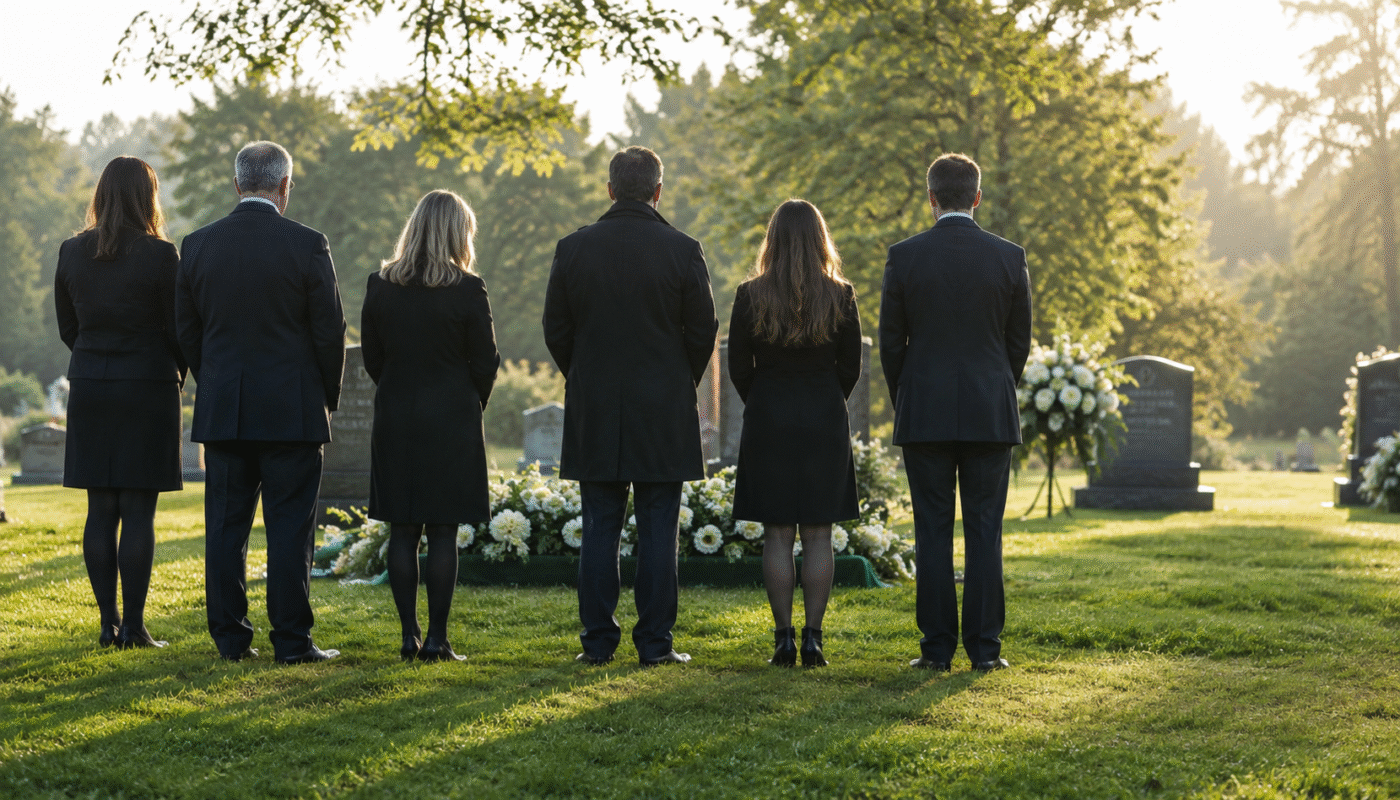
Choosing between green burial and traditional burial reflects your environmental values and how you want your final act to impact the earth. This comparison provides comprehensive information about both options, helping you understand the environmental differences and make the choice that aligns with your values.
There’s no single right answer—only what’s right for you and your family. This guide explains green burial and traditional burial practices, comparing environmental impact, costs, cemetery requirements, and memorialization options so you can make an informed decision.
Green Burial vs Traditional Burial: At a Glance
| Factor | Green Burial | Traditional Burial |
|---|---|---|
| Environmental Impact | Minimal, biodegradable | Higher, non-biodegradable materials |
| Embalming | Not permitted | Common practice |
| Casket Materials | Biodegradable (wood, wicker, shroud) | Any material (metal, hardwood, etc.) |
| Burial Vault | Not used | Required by most cemeteries |
| Land Use | Conservation-focused | Maintained cemetery grounds |
| Typical Cost | $2,000 – $5,000 | $7,000 – $15,000+ |
| Memorialization | Natural markers or GPS coordinates | Traditional headstones permitted |
Understanding Green Burial
Green burial, also called natural burial, is an environmentally sustainable burial practice that allows the body to decompose naturally and return to the earth with minimal environmental impact. This approach eliminates embalming chemicals, uses biodegradable materials, and often takes place in conservation or natural burial grounds.
The core principle of green burial is simple: the body is prepared without chemical preservation, placed in a biodegradable container (simple wood casket, wicker casket, or cloth shroud), and buried directly in the earth without a concrete vault. The burial site may be in a dedicated green burial ground, conservation cemetery, or designated natural burial section of a traditional cemetery.
Green burial grounds often feature natural landscaping with native plants, meadows, and forests rather than manicured lawns. Some conservation cemeteries use burial fees to permanently protect land from development, combining memorialization with land conservation.
Common reasons families choose green burial include environmental values prioritizing sustainability, desire to minimize ecological footprint, preference for natural processes over preservation, support for land conservation efforts, and appreciation for simpler, more affordable burial practices.
Understanding Traditional Burial
Traditional burial follows conventional cemetery practices that have been standard in American funeral service for decades. These burials typically involve embalming for preservation, caskets made from various materials (wood or metal), concrete burial vaults or grave liners, and interment in maintained cemetery grounds with traditional landscaping.
In traditional burial, the body is embalmed with chemical preservatives (primarily formaldehyde), dressed, and placed in a casket. The casket is then placed inside a burial vault—a concrete or metal outer container—before burial. The vault prevents the ground from settling as the casket naturally deteriorates over time, maintaining the cemetery’s level appearance.
Traditional cemeteries feature manicured landscapes with mowed grass, planted trees, and designated plots marked with headstones or grave markers. Perpetual care funds ensure ongoing maintenance of grounds, providing families with well-kept memorial spaces.
Common reasons families choose traditional burial include preference for established practices and familiar cemeteries, desire for traditional headstone memorialization, importance of ground preservation and level cemetery appearance, availability and convenience of traditional cemeteries, and personal or family preference for conventional approaches.
Environmental Impact Comparison
Green Burial Environmental Impact
Green burial minimizes environmental impact through several practices:
No embalming: Eliminates introduction of formaldehyde and other chemicals into soil. Traditional embalming uses approximately 3-4 gallons of embalming fluid per body, containing formaldehyde (a known carcinogen) and other chemicals that eventually leach into groundwater.
Biodegradable materials: Simple wooden caskets (often pine), wicker caskets, or cloth shrouds decompose naturally. These materials return to earth without leaving permanent waste, completing natural nutrient cycles.
No burial vault: Eliminates concrete or metal vaults that require significant energy and resources to manufacture. Concrete production is energy-intensive and contributes to carbon emissions.
Natural decomposition: The body decomposes naturally, returning nutrients to the soil and supporting plant life and ecosystem health.
Land conservation: Many green burial grounds preserve natural habitats or restore native ecosystems. Conservation burial grounds use burial fees to place permanent conservation easements on land, protecting it from development forever.
Reduced resource use: Simpler practices require fewer manufactured materials, less transportation, and reduced energy consumption throughout the process.
Native plantings: Green burial grounds often use native plants requiring less water, no pesticides, and minimal maintenance, supporting local biodiversity.
Traditional Burial Environmental Impact
Traditional burial has several environmental considerations:
Embalming chemicals: Formaldehyde-based embalming fluid introduces toxic chemicals into soil and groundwater. While embalming is not required by California law, it remains common practice. The funeral industry uses approximately 800,000 gallons of embalming fluid annually in the United States.
Resource consumption: Traditional burial uses significant materials including hardwood or metal caskets (requiring forestry or mining and energy-intensive manufacturing), concrete burial vaults (energy-intensive production, transportation weight), and traditional headstones (quarrying, carving, transportation).
Non-biodegradable materials: Metal caskets, concrete vaults, and some casket components don’t decompose, remaining in the ground permanently.
Land use: Traditional cemeteries require ongoing maintenance including mowing (fossil fuel equipment), watering (significant water use), fertilizers and pesticides (chemical runoff), and tree/shrub care.
Cemetery infrastructure: Roads, buildings, irrigation systems, and other infrastructure require construction and ongoing resources.
Perpetual maintenance: Traditional cemetery upkeep continues indefinitely, requiring ongoing energy and resource expenditure.
Positive considerations: Traditional cemeteries do provide green space in urban areas, support some wildlife habitat with mature trees, and preserve land from certain types of development.
Cost Comparison
Green Burial Costs
Green burial typically costs significantly less than traditional burial:
Typical range: $2,000 – $5,000 total
Cost breakdown: – Green burial plot: $1,000 – $3,000 – Biodegradable casket or shroud: $300 – $1,500 – Simple pine casket: $300 – $1,000 – Wicker casket: $800 – $1,500 – Burial shroud: $100 – $500 – Transportation and basic services: $1,000 – $2,000 – Natural grave marker (optional): $100 – $500 – No embalming: $0 (saves $500 – $1,000) – No burial vault: $0 (saves $1,000 – $3,000)
Cost advantages: Green burial eliminates several major expenses including embalming, burial vaults, elaborate caskets, and some cemetery perpetual care fees. The simpler approach naturally reduces costs while aligning with environmental values.
Traditional Burial Costs
Traditional burial in the Bay Area typically costs $7,000 – $15,000+:
Cost breakdown: – Funeral home basic services: $2,000 – $3,500 – Embalming and preparation: $500 – $1,000 – Casket: $1,000 – $10,000+ – Burial vault or grave liner: $1,000 – $3,000 – Cemetery plot: $2,000 – $8,000 (Bay Area) – Opening and closing grave: $1,000 – $2,000 – Headstone or grave marker: $1,000 – $5,000+ – Additional services and items: $500 – $2,000
Cost factors: Traditional burial includes numerous components, each adding to total cost. Premium caskets, locations in desirable cemeteries, and elaborate headstones can increase costs significantly beyond the base range.
Burial Practices and Requirements
Green Burial Practices
Body preparation: The body is washed and dressed (often by family if desired) without chemical preservation. Refrigeration provides temporary preservation when needed.
Burial container: Simple biodegradable containers including untreated pine or other softwood caskets, wicker or seagrass caskets, cardboard containers, or cotton or linen shrouds.
Burial depth: Typically 3-4 feet deep, shallower than traditional burial, allowing aerobic decomposition.
Grave markers: Options include natural fieldstones, native plants or trees, engraved flat stones (minimal impact), GPS coordinates for locating graves, or no markers (in some conservation cemeteries).
Cemetery characteristics: Natural landscaping with meadows, woodlands, or native gardens, minimal maintenance (no mowing in some areas), walking trails, and natural habitat preservation.
Traditional Burial Practices
Body preparation: Embalming is standard practice (though not legally required in California except in specific circumstances). The body is prepared for viewing.
Burial container: Any casket type permitted including metal (steel, bronze, copper), hardwood (oak, cherry, mahogany), or softwood options.
Burial vault: Required by most traditional cemeteries. Concrete or metal outer container encases the casket.
Burial depth: Standard 4-6 feet deep with vault preventing ground settling.
Grave markers: Traditional options including upright headstones, flat markers, monuments, and bronze plaques—various sizes and designs permitted.
Cemetery characteristics: Manicured lawns, paved roads and paths, regular maintenance, traditional landscaping with planted trees and shrubs.
Cemetery Options and Availability
Green Burial Cemeteries
Types of green burial grounds:
Conservation cemeteries: Combine burial with permanent land protection through conservation easements. Burial fees fund land preservation. Often feature natural, untouched landscapes.
Natural burial grounds: Dedicated green cemeteries without conservation easements. Maintain natural landscapes but may not have formal land protection agreements.
Hybrid cemeteries: Traditional cemeteries with designated natural burial sections. Allow families to choose green burial while using established cemetery infrastructure.
Bay Area availability: Green burial options exist but are less common than traditional cemeteries. Options include several conservation burial grounds within 2-3 hours of the Bay Area, natural burial sections in some traditional cemeteries, and private land burial (permitted in some California counties with proper permits).
Limited availability: Green burial is growing but remains a smaller segment of burial options, particularly in densely populated urban areas where land is scarce.
Traditional Burial Cemeteries
Wide availability: Traditional cemeteries are numerous throughout the Bay Area including municipal cemeteries, religious cemeteries, private memorial parks, and national cemeteries for veterans.
Established infrastructure: Long-operating cemeteries offer proven perpetual care, maintained facilities, clear regulations and procedures, and accessible locations.
Variety: Options range from historic cemeteries to modern memorial parks, with various plot types, sections, and amenities.
Convenience: Most Bay Area residents live within short distances of multiple traditional cemetery options.
Religious and Cultural Considerations
Green Burial and Faith Traditions
Compatible with many traditions: Green burial aligns well with several religious perspectives:
Jewish tradition: Traditional Jewish burial prohibits embalming and requires simple wood caskets, making green burial practices consistent with Jewish law (Halakha). The emphasis on natural decomposition (“dust to dust”) aligns with Jewish teaching.
Islamic tradition: Islamic burial requires no embalming, simple shrouds (caskets not traditionally used), and prompt burial—all compatible with green burial principles.
Christian traditions: Many Christian denominations accept green burial, viewing it as consistent with “ashes to ashes, dust to dust” theology.
Buddhist traditions: Buddhism’s emphasis on impermanence and returning to nature makes green burial philosophically compatible.
Secular values: Green burial appeals strongly to those without religious requirements who prioritize environmental stewardship.
Traditional Burial and Religion
Widely accepted: Traditional burial is accepted by virtually all religious traditions, though specific practices vary:
Catholicism: Accepts traditional burial and permits cremation. No prohibition on embalming or vaults.
Protestantism: Most denominations accept all burial practices, leaving choice to families.
Other faiths: Most religions permit traditional burial even if not specifically required.
Memorialization Differences
Green Burial Memorialization
Green burial offers natural memorialization approaches:
- Natural fieldstones engraved with minimal information
- Native trees or plants marking grave locations
- GPS coordinates for precise grave location without markers
- Small, flat engraved stones flush with ground
- Collective memorials in conservation cemeteries
- Online memorials and mapping
The emphasis is on simplicity and minimal environmental impact while still honoring memory. Some families appreciate the symbolism of their loved one becoming part of a living forest or meadow.
Traditional Burial Memorialization
Traditional burial provides familiar memorialization:
- Upright headstones and monuments
- Flat grave markers (bronze or granite)
- Family plots with multiple graves
- Benches and memorial structures
- Personalized engravings and photos
- Clear, maintained grave locations
Traditional memorialization offers permanence, visibility, and familiar ways to mark and visit graves.
Weighing Your Options
Green Burial: Considerations
What Families Appreciate: – Minimal environmental impact and sustainability – Lower costs due to simplified practices – Natural decomposition returning to earth – Support for land conservation (in conservation cemeteries) – Alignment with environmental values – Simplicity and focus on natural processes
Potential Drawbacks: – Limited availability, especially in urban areas – Less conventional memorialization options – Some family members may prefer traditional approaches – Natural markers less visible than traditional headstones – Newer practice with less established infrastructure
Traditional Burial: Considerations
What Families Appreciate: – Familiar, established practices – Wide availability of cemetery options – Traditional memorialization with headstones – Preserved cemetery appearance with level grounds – Perpetual care ensures maintained spaces – Meets expectations of most family members
Potential Drawbacks: – Higher environmental impact with embalming chemicals and non-biodegradable materials – Significantly higher costs – Resource-intensive practices – Ongoing cemetery maintenance requirements – Less aligned with sustainability values
Making Your Decision
Your choice between green burial and traditional burial should reflect your values, priorities, and family considerations:
Environmental values: If minimizing ecological impact matters deeply, green burial offers significantly lower environmental footprint.
Budget: Green burial costs substantially less than traditional burial while still providing dignified interment.
Availability: Consider what options exist near your community. Green burial may require travel to more distant locations.
Family preferences: Discuss with family members. Some may have strong preferences for traditional practices or specific cemeteries.
Memorialization needs: Consider whether traditional headstone memorialization matters or if natural markers feel appropriate.
Religious requirements: Ensure your choice aligns with any faith requirements or preferences.
Both options provide dignified, respectful final disposition. The choice is personal, reflecting what matters most to you and your family.
Green and Traditional Burial at Monte Vista
Monte Vista Memorial Gardens respects and supports families’ environmental values. We can help you explore both traditional burial options in our memorial gardens and provide information about green burial alternatives in the Bay Area.
Our team offers guidance without judgment, helping you understand your options and make choices aligned with your values. Whether you prioritize traditional practices or environmental sustainability, we’re here to support your decisions.
Key Takeaways
- Environmental impact differs significantly: Green burial minimizes impact through biodegradable materials and no chemicals; traditional burial has higher environmental footprint
- Cost difference is substantial: Green burial typically costs $2,000-$5,000 vs. $7,000-$15,000+ for traditional burial
- Both are valid choices: Your decision should reflect personal values, not external pressure
- Availability varies: Traditional cemeteries are widely available; green burial options are growing but more limited
- Consider all factors: Environment, cost, family preferences, and memorialization all matter in this personal decision
Questions About Burial Options?
Our team provides information about both traditional and green burial practices, helping you make decisions aligned with your values and priorities.
Call 510-299-1174 to discuss burial options with knowledgeable staff who respect your environmental values and personal preferences.