
Montevista | How to Write an Obituary: Step-by-Step Guide with Examples
How to Write an Obituary: Step-by-Step Guide with Examples


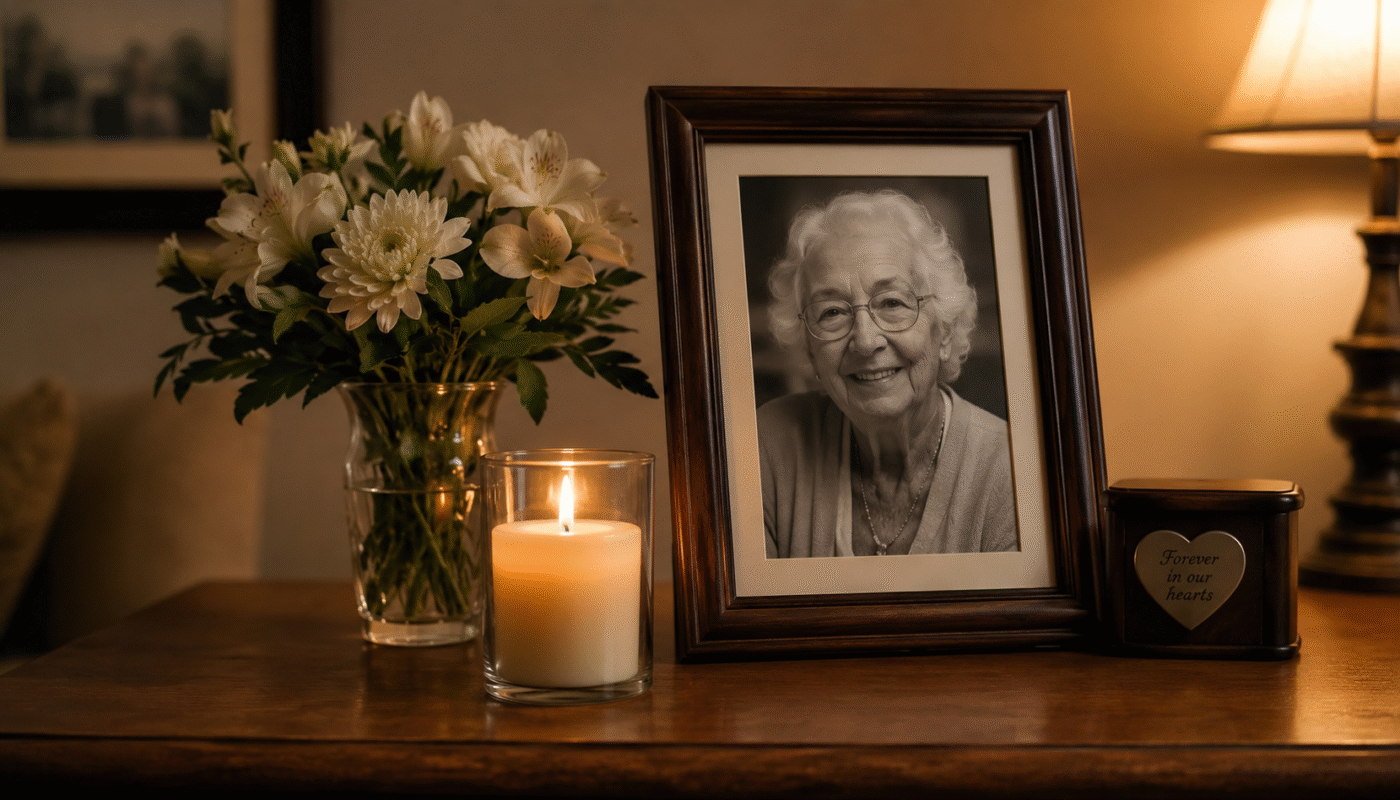
Writing an obituary announces someone’s death while celebrating their life, providing essential information about services, survivors, and how the deceased will be remembered. A well-written obituary captures personality, shares achievements, connects family and community, and serves as permanent record—yet many people struggle knowing what to include, how to structure it, and what tone to strike during grief.
Obituaries follow general structure while allowing personalization: announcement of death, biographical information, survivors list, service details, and often charitable donation suggestions. Whether writing traditional formal obituaries or creative life celebrations, understanding essential elements, writing techniques, and common approaches helps you craft meaningful tributes honoring your loved one.
This comprehensive guide provides step-by-step instructions, writing tips, essential elements, and examples for writing obituaries that truly honor the deceased.
In This Article: – Essential Elements – Step-by-Step Writing Process – Gathering Information – Writing Tips and Techniques – Tone and Style – Common Mistakes to Avoid – Examples – Key Takeaways
Essential Elements
Standard obituaries include these core components.
Basic Information
Name: – Full legal name – Maiden name if applicable – Nicknames in quotes – “Example: Mary Jane (Smith) ‘MJ’ Johnson”
Dates: – Birth date – Death date – Age at death – Sometimes location of birth/death
Announcement: – “Passed away peacefully…” – “Died suddenly…” – “After brave battle with…” – Or simply “died”
Biographical Narrative
Life story highlights: – Where born and raised – Education and degrees – Career and accomplishments – Military service – Hobbies and passions – Community involvement – Character traits – Impact on others
Chronological or thematic: – Can follow life timeline – Or organize by themes (family, career, passions)
Survivors and Preceded
Survivors (immediate family): – Spouse/partner – Children (with spouses) – Grandchildren – Siblings – Parents (if living)
Preceded in death by: – List those who died before – Parents, siblings, spouse, children
Service Information
Details: – Type of service (funeral, memorial, celebration of life) – Date, time, location – Viewing/visitation info – Reception details – Whether public or private
Memorial Contributions
Instead of flowers: – Charitable organization – Specific cause – Memorial fund – Why this charity matters
Step-by-Step Writing Process
Systematic approach makes writing easier.
Step 1: Gather Information (30-60 minutes)
Collect all facts before writing: – Full legal name, dates, places – Family information (all survivors) – Education, career, military – Accomplishments, hobbies – Service details finalized – Charitable organization chosen
Step 2: Choose Format (5-10 minutes)
Decide approach: – Traditional formal obituary – Conversational/casual tone – Creative/unconventional – Brief announcement – Lengthy life story
Step 3: Write Opening (15-20 minutes)
Start with announcement: – Name and age – Date and place of death – Brief context (illness, accident, peacefully) – Can add one defining characteristic
Example: “John Michael Smith, 67, beloved father and dedicated teacher, passed away peacefully on November 10, 2025, surrounded by family.”
Step 4: Tell Life Story (30-60 minutes)
Chronological or thematic narrative: – Birth, childhood, education – Career achievements – Marriage and family – Passions and hobbies – Community impact – Character and values – Memorable stories or quotes
Balance: – Not too brief (lacks meaning) – Not encyclopedia (loses readers) – 200-500 words typical for life narrative
Step 5: List Survivors (10-15 minutes)
Standard format: – “He is survived by…” – Spouse first – Children (oldest to youngest) – Grandchildren (can list by name or “seven grandchildren”) – Siblings – Others as appropriate
Preceded by: – “He was preceded in death by…” – Parents, spouse, siblings, children
Step 6: Service Details (5-10 minutes)
Clear, specific information: – Date, time, exact location – Type of service – Whether public/private/family only – Reception information – Dress code if any
Step 7: Memorial Contributions (5 minutes)
Format: – “In lieu of flowers, memorial contributions may be made to…” – Organization name – Address or website – Why meaningful (optional)
Step 8: Review and Edit (15-30 minutes)
Check: – Spelling (especially names) – Dates and facts accurate – Grammar and punctuation – Tone appropriate – Length acceptable (newspaper limits) – Nothing important omitted
Read aloud to catch awkward phrasing.
Gathering Information
Collect complete details before writing.
Essential Facts Checklist
- [ ] Full legal name (including maiden name)
- [ ] Birth date and place
- [ ] Death date and place
- [ ] Age at death
- [ ] Parents’ names
- [ ] Spouse/partner name and marriage date
- [ ] Children’s names (and their spouses)
- [ ] Grandchildren’s names or number
- [ ] Siblings’ names
- [ ] Education (schools, degrees)
- [ ] Military service (branch, years, rank)
- [ ] Career history
- [ ] Accomplishments and awards
- [ ] Hobbies and interests
- [ ] Community involvement
- [ ] Memberships and organizations
- [ ] Defining personality traits
- [ ] Favorite quote or saying
- [ ] Service details (date, time, location)
- [ ] Preferred charity
Interview Family Members
Ask: – “What defined [name]?” – “What will you miss most?” – “What made them unique?” – “Favorite memory?” – “How did they impact others?” – “What were they passionate about?”
Stories and quotes make obituaries personal and memorable.
Writing Tips and Techniques
Effective approaches improve obituaries.
Start Strong
Opening sentences matter: – Capture attention – Establish tone – Include essential facts – Hint at personality
Weak: “John Smith died.” Strong: “John Smith, whose infectious laugh and generous spirit touched countless lives, passed away November 10.”
Show, Don’t Just Tell
Generic: “She was kind and generous.” Specific: “She volunteered weekly at the food bank for 20 years and never missed a neighbor’s birthday.”
Specific examples prove character rather than claim it.
Use Active Voice
Passive: “The business was founded by him in 1985.” Active: “He founded the business in 1985.”
Active voice creates energy and clarity.
Include Personality
Add character through: – Sense of humor – Quirks and habits – Favorite sayings – What made them laugh – Passions and obsessions
Example: “An avid 49ers fan, she never missed a game and often reminded family that ‘winning isn’t everything, but it’s a close second.'”
Balance Accomplishments with Heart
Don’t just list resume: – Include achievements – But also relationships, impact, joy – What mattered to them – How they made others feel
Keep It Honest
Authenticity matters: – Don’t make person a saint if they weren’t – Acknowledge complexity – Can mention challenges overcome – But focus remains celebrating life
Tone and Style
Match tone to person and family preference.
Traditional Formal
Characteristics: – Respectful, dignified language – Third person (“he,” “she”) – Formal titles and full names – Standard structure – Objective tone
When appropriate: – Older generation – Professional/public figures – Conservative families – Traditional communities
Conversational
Characteristics: – Warmer, more personal language – May use first or second person occasionally – Contractions acceptable – Feels like talking about person – Gentle, familiar tone
When appropriate: – Younger deceased – Close-knit families – Reflecting personality – Modern sensibilities
Creative/Unconventional
Characteristics: – Breaks traditional format – Uses humor, creativity – May be written in first person (as if deceased speaking) – Unique structure – Reflects individual personality strongly
When appropriate: – Deceased had unique personality – Family comfortable with non-traditional – Online publication (more flexibility than newspapers) – Celebrating vibrant life
Common Mistakes to Avoid
Watch for these pitfalls.
Too Generic
Problem: Could describe anyone Solution: Include specific details, stories, quirks
Too Long
Problem: Loses readers, costs more in print Solution: Edit to 300-800 words typically
Inaccurate Information
Problem: Wrong dates, misspelled names, incorrect facts Solution: Verify every fact, especially names and dates
Leaving Out Key People
Problem: Hurt feelings from omitted family Solution: Double-check survivors list with multiple family members
Unclear Service Information
Problem: People confused about when/where Solution: Be specific: exact address, date, time
Clichés
Overused phrases to minimize: – “Lost his/her battle with…” – “Passed into eternal rest…” – “Now in a better place…” – Not wrong, just overused
Focusing Only on Accomplishments
Problem: Feels like resume not tribute Solution: Include relationships, character, impact on individuals
Examples
Sample obituaries demonstrating different approaches.
Traditional Format Example
“Margaret Ann (Wilson) Thompson, 82, of Oakland, California, passed away peacefully on November 8, 2025, surrounded by her loving family after a courageous battle with cancer.
Born on March 15, 1943, in Kansas City, Missouri, Margaret was the daughter of Robert and Eleanor Wilson. She graduated from Central High School in 1961 and earned her Bachelor of Arts in Education from the University of Missouri in 1965.
Margaret dedicated 35 years to teaching third grade at Piedmont Elementary School, where she inspired countless students with her patience, creativity, and unwavering belief in every child’s potential. Even after retirement in 2003, she volunteered weekly as a reading tutor, never losing her passion for education.
On June 20, 1965, Margaret married James Thompson. Their 58-year marriage was a testament to love, partnership, and shared values. Together they raised three children, traveled extensively through Europe, and built a home filled with laughter, books, and always an open door for friends and family.
An avid gardener, Margaret’s roses were legendary in the neighborhood, and she generously shared both flowers and gardening wisdom. She was an active member of First Presbyterian Church for 40 years, serving on multiple committees and never missing Sunday services.
Margaret is survived by her devoted husband, James Thompson; children Sarah Thompson-Garcia (Carlos) of San Francisco, Michael Thompson (Jennifer) of Seattle, and Rebecca Thompson of Oakland; seven grandchildren: Emma, Lucas, Sofia, Ethan, Isabella, Noah, and Mia; sister Janet Wilson of Kansas City; and numerous nieces and nephews. She was preceded in death by her parents and brother Robert Wilson Jr.
A celebration of Margaret’s life will be held at 2:00 PM on Saturday, November 16, 2025, at First Presbyterian Church, 2619 Broadway, Oakland, CA 94612. A reception will follow in the church fellowship hall. In lieu of flowers, memorial contributions may be made to the Literacy Council of Alameda County.”
Conversational Example
“Our dad, Robert ‘Bob’ Chen, 71, left us on November 9, 2025, leaving a hole in our hearts but countless memories that make us smile through tears.
Dad was born in Taipei, Taiwan, in 1954, immigrating to the United States in 1972 with $200 in his pocket and dreams bigger than anyone thought possible. He worked his way through UC Berkeley while living in a studio apartment he shared with three other students, earning his engineering degree in 1976.
What most people knew about Dad: He was brilliant, founding Chen Electronics in 1985 and holding 12 patents. What his family knew: He could never remember where he parked the car, made terrible jokes at every opportunity, and believed Sunday morning pancakes were sacred family time—a tradition he maintained for 40 years.
Dad met Mom (Linda) at a Chinese Students Association dance in 1975. He always said he knew she was the one when she laughed at his awful jokes. They married in 1977 and built a life filled with love, laughter, and way too much karaoke.
An adventurer at heart, Dad hiked Half Dome seven times (including once at age 68), introduced his kids to backpacking, and never met a dim sum restaurant he didn’t want to try. His friends will remember his legendary poker face, his family will remember his legendary snoring, and his coworkers will remember his legendary perfectionism—all with equal affection.
Dad is survived by his wife of 48 years, Linda; children Kevin Chen (Amanda) and Michelle Chen-Rodriguez (David); grandchildren Tyler, Sophia, and baby Grace whom he adored; siblings James Chen and Grace Liu; and more friends than we can count. He was preceded by his parents Chang-Lin and Mei Chen.
A celebration of Dad’s life will be 3:00 PM, Sunday, November 17, 2025, at Mountain View Cemetery chapel, Oakland. Wear comfortable shoes—we’re doing a short hike together in his honor. Please share your favorite Bob stories. Reception follows.
Instead of flowers, Dad would want you to donate to the Sierra Club or take your kids on a hike.”
Key Takeaways
Writing obituaries honors loved ones while informing community:
-
Essential elements include name/dates, biographical narrative, survivors list, service details, and memorial contributions—structure provides framework for personalization.
-
Gather complete information first—full names, dates, education, career, hobbies, accomplishments, family details—before beginning to write.
-
Show personality through specific examples—not just “she was kind” but specific stories demonstrating kindness—makes obituaries memorable.
-
Balance accomplishments with relationships and character—resumes list achievements, obituaries celebrate whole people including quirks, humor, impact.
-
Choose tone matching deceased’s personality—traditional formal, conversational, or creative/unconventional—no single right approach.
-
Avoid common mistakes—being too generic, inaccurate information, omitting family members, clichés, unclear service details.
-
Edit thoroughly—read aloud, verify facts, check spelling especially names, ensure appropriate length for publication venue.
Obituaries serve as permanent records and final public tributes—worth time and thought to craft meaningful, accurate, personal celebrations of lives lived.
Questions About Writing Obituaries?
Monte Vista Memorial Gardens can provide obituary writing assistance and coordinate publication in local newspapers and online memorial sites.
Call 510-299-1174 for obituary support and guidance.