
Montevista | Mausoleum Entombment vs Ground Burial
Mausoleum Entombment vs Ground Burial


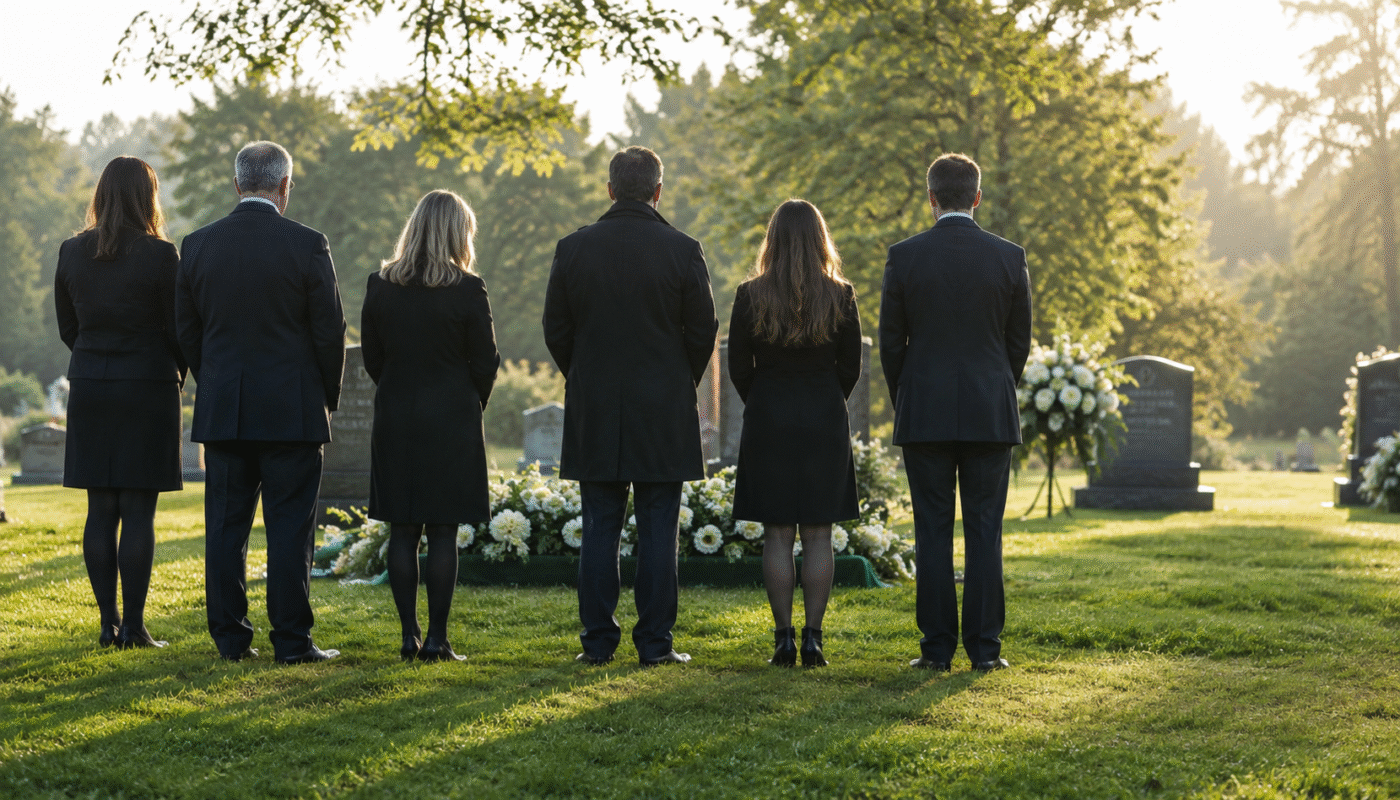
Choosing between mausoleum entombment and traditional ground burial affects memorialization, costs, and how families visit and remember loved ones. Both options provide dignified final resting places, but they differ significantly in location, maintenance, visitation experience, and practical considerations.
This guide explains mausoleum entombment and ground burial, comparing costs, appearance, maintenance needs, and family experiences to help you make an informed decision that honors your loved one and meets your family’s preferences.
Mausoleum Entombment vs Ground Burial: At a Glance
| Factor | Mausoleum Entombment | Ground Burial |
|---|---|---|
| Location | Above-ground in building structure | Below ground level |
| Protection | Protected from weather and elements | Exposed to ground conditions |
| Typical Cost (Bay Area) | $4,000 – $15,000+ | $5,000 – $15,000+ (including plot, vault, marker) |
| Maintenance | Building maintained by cemetery | Individual plot maintenance varies |
| Visitation | Climate-controlled, accessible | Outdoor graveside visits |
| Memorialization | Crypt front plaque or marker | Traditional headstone or flat marker |
| Space Efficiency | Vertical stacking saves land | Each burial requires dedicated ground space |
| Family Options | Family sections with multiple crypts | Family plots with adjacent graves |
Understanding Mausoleum Entombment
Mausoleum entombment is above-ground burial where the casket is placed in a crypt—a compartment within a mausoleum building or structure. Mausoleums provide permanent above-ground memorialization in climate-controlled or outdoor structures.
How Mausoleum Entombment Works
The entombment process involves:
Crypt selection: Families choose a crypt location within the mausoleum, considering height (ground-level, eye-level, or upper crypts), location within building, and proximity to other family members.
Entombment service: Following funeral services, the casket is placed into the crypt. A committal service may occur at the mausoleum with family present.
Sealing: The crypt is sealed with a granite or marble front that includes the deceased’s name, dates, and often a memorial inscription or image.
Memorialization: The visible crypt front serves as the memorial, similar to a headstone but as part of the building structure.
Types of Mausoleums
Community mausoleums: Large buildings with crypts available to any cemetery patron. These range from simple structures to elaborate architectural buildings with chapels, gardens, and artistic elements.
Private family mausoleums: Structures built for single families, housing multiple family members. These range from simple buildings to elaborate architectural monuments.
Garden mausoleums: Outdoor structures integrated into cemetery landscaping, combining above-ground entombment with natural settings.
Walk-in mausoleums: Indoor mausoleums with climate-controlled interiors where families can walk through, visit crypts, and reflect in chapel areas.
Outdoor mausoleums: Open-air structures without climate control but providing above-ground entombment.
Crypt Types
Single crypts: Hold one casket, purchased individually.
Companion crypts: Side-by-side or tandem (one above the other) crypts for couples.
Family estates: Multiple crypts purchased together for extended family.
Westminster crypts: Glass-front crypts allowing viewing of the casket (rare, premium option).
Understanding Ground Burial
Ground burial is traditional below-ground interment where the casket is buried in the earth within a cemetery plot. This time-honored practice remains the most common burial method.
How Ground Burial Works
The burial process involves:
Plot selection: Families choose a burial plot location within the cemetery, considering section, proximity to roads, views, and availability of family plots.
Grave preparation: Cemetery staff excavates the grave (typically 4-6 feet deep), places burial vault or grave liner if required, and prepares for committal service.
Burial service: At the graveside, a committal service occurs with the casket present. After the service, the casket is lowered into the vault, and the grave is filled.
Memorialization: A headstone or grave marker is placed at the head of the grave, permanently marking the location.
Types of Ground Burial Plots
Single plots: Individual graves for one person.
Companion plots: Double-depth graves where two caskets are buried vertically (one above the other), or two adjacent single plots.
Family plots: Multiple adjacent graves purchased together, creating family sections where multiple generations rest together.
Cremation plots: Smaller plots designed for burial of cremation urns (multiple urns can often be buried in a single cremation plot).
Grave Markers
Upright headstones: Vertical monuments standing above ground level.
Flat markers: Horizontal markers flush with or slightly above ground.
Family monuments: Large monuments marking family plot sections with multiple names.
Cost Comparison
Mausoleum Entombment Costs
Mausoleum crypt prices vary significantly based on location and type:
Community mausoleum crypts (Bay Area): – Ground-level crypts: $4,000 – $7,000 – Eye-level crypts (most desirable): $7,000 – $12,000 – Upper-level crypts: $5,000 – $8,000 – Companion crypts: $8,000 – $20,000+
Additional costs: – Entombment fee (opening/closing): $500 – $1,500 – Crypt front engraving: Typically included – Fresh flower vases (optional): $100 – $300
Private family mausoleum costs: $50,000 – $500,000+ depending on size, materials, and design (holds multiple family members, so cost per person varies).
Total cost for mausoleum entombment: $4,500 – $15,000+ (community mausoleum single crypt with services).
Ground Burial Costs
Ground burial involves multiple components:
Cemetery plot (Bay Area): – Single plot: $2,000 – $8,000 – Companion plot (two graves): $4,000 – $15,000 – Family plot (4+ graves): $8,000 – $30,000+
Additional required costs: – Burial vault or grave liner: $1,000 – $3,000 – Opening and closing grave: $1,000 – $2,000 – Headstone or marker: $1,000 – $5,000+ – Installation of marker: $200 – $500
Total cost for ground burial: $5,200 – $18,500+ (single plot with all components).
Cost comparison: Mausoleum entombment can be more or less expensive than ground burial depending on crypt location and cemetery. Eye-level mausoleum crypts often cost more than ground burial plots, while ground-level or upper-level crypts may cost less. When factoring in the burial vault (required for most ground burials but not needed for mausoleums), costs become more comparable.
Maintenance and Upkeep
Mausoleum Maintenance
Cemetery responsibility: Mausoleums are maintained by cemetery staff as part of the structure, including exterior cleaning, structural repairs, climate control (if applicable), and landscaping around building.
Family responsibility: Minimal. Families may place flowers in built-in vases but have no grass to maintain, markers to clean, or settling to address.
Perpetual care: Mausoleum maintenance is typically included in perpetual care fees, ensuring ongoing upkeep of the building.
Advantages: No ongoing family maintenance burden; professional care ensures consistent appearance.
Ground Burial Maintenance
Cemetery responsibility: Varies by cemetery. Perpetual care typically includes grass mowing, general grounds keeping, and road maintenance.
Family responsibility: Varies. Some families maintain individual plots with flowers, decorations, and marker cleaning. Cemetery policies differ on what families can place at graves.
Potential issues: Ground may settle over time, markers may need straightening or cleaning, grass may need tending (depending on cemetery policies), and weather can damage decorations or flowers.
Advantages: Direct interaction with the gravesite; ability to personalize with plantings or decorations (where permitted).
Visitation Experience
Visiting a Mausoleum
Climate-controlled comfort: Indoor mausoleums provide climate-controlled environments, comfortable in rain, heat, or cold, and accessible to those with mobility challenges.
Architectural beauty: Mausoleums often feature beautiful architecture, artistic elements, stained glass, chapels, and peaceful interior spaces.
Privacy and reflection: Indoor spaces offer quiet, contemplative environments less exposed to weather and outdoor activity.
Accessibility: Level floors and hallways make mausoleums accessible for wheelchairs, walkers, and those with mobility limitations.
Social considerations: Visiting feels more like entering a building than visiting an outdoor cemetery. Some find this more formal; others appreciate the dignity and comfort.
Visiting a Ground Burial Site
Natural setting: Outdoor graveside visits connect visitors with nature, changing seasons, and open spaces.
Personal touches: Many cemeteries allow flowers, plantings, decorations, and personal items at gravesites, creating personalized memorial spaces.
Traditional experience: Graveside visits provide the familiar cemetery experience many associate with memorial visits.
Weather exposure: Visitors experience outdoor conditions—beautiful in spring and summer, but challenging in rain, heat, or cold.
Accessibility challenges: Uneven ground, grass, and outdoor terrain can be challenging for those with mobility issues.
Religious and Cultural Considerations
Religious Perspectives on Mausoleum Entombment
Catholicism: Fully accepts mausoleum entombment. Many Catholic cemeteries feature prominent mausoleums.
Protestantism: Generally accepts mausoleum entombment; choice left to family preference.
Judaism: Traditional Jewish practice prefers ground burial (“dust to dust”), though Reform Judaism may accept mausoleum entombment. Orthodox and Conservative Judaism typically favor traditional ground burial.
Islam: Islamic law requires burial directly in the earth; mausoleum entombment generally not compatible with Islamic practice.
Eastern Orthodoxy: Generally prefers ground burial but may accept mausoleum entombment.
Buddhism and Hinduism: These traditions typically favor cremation over burial, though both ground burial and mausoleum entombment are accepted when burial is chosen.
Cultural Considerations
Certain cultures have strong traditions favoring one option:
Mediterranean cultures (Italian, Greek, Spanish): Often favor mausoleum entombment, with elaborate family mausoleums common in ancestral countries.
Asian cultures: Preferences vary, with some favoring above-ground entombment and others preferring ground burial or cremation.
American tradition: Ground burial has been the dominant American tradition, though mausoleum popularity is growing, especially in urban areas with limited land.
Space and Environmental Considerations
Mausoleum Space Efficiency
Land conservation: Mausoleums use vertical space, allowing multiple burials in the footprint of a few ground plots.
Urban cemeteries: Particularly valuable in land-scarce urban areas where cemetery expansion is limited.
Environmental considerations: No burial vault required, uses less total earth resources, and buildings can be designed with sustainable materials and features.
Ground Burial Space Use
Dedicated land: Each burial requires dedicated ground space (typically 32-48 square feet).
Land consumption: Ground burials consume more overall cemetery acreage.
Environmental considerations: Burial vaults use concrete and energy in production, embalming chemicals (if used) enter the soil, and ongoing grounds maintenance requires water, fuel, and resources.
Green space preservation: Cemeteries do provide green space in urban areas and can support biodiversity with mature trees and natural areas.
Family Options and Legacy
Mausoleum Family Options
Family estates: Families can purchase multiple adjacent or stacked crypts, creating family sections within the mausoleum.
Companion crypts: Couples can rest side-by-side or tandem.
Multi-generational planning: Families can secure crypts for multiple generations in proximity.
Private family mausoleums: Wealthy families can build dedicated structures housing entire family lineages.
Ground Burial Family Options
Family plots: Multiple adjacent graves create family sections where generations rest together.
Companion plots: Couples buried side-by-side or in double-depth graves.
Family monuments: Large monuments can mark family plot sections with multiple names.
Generational legacy: Family plots create visible multi-generational legacy sites that families visit together.
Making Your Decision
When choosing between mausoleum entombment and ground burial, consider:
Climate and comfort: Do you prefer indoor, climate-controlled visitation or traditional outdoor graveside visits?
Maintenance preferences: Do you want minimal maintenance responsibility (mausoleum) or the option to personally tend a gravesite (ground burial)?
Religious requirements: Does your faith tradition favor or require ground burial?
Cost considerations: Compare actual costs at your chosen cemetery, including all components for ground burial (plot, vault, marker).
Personal preference: Do you prefer above-ground entombment or traditional earth burial?
Family traditions: What are your family’s cultural or traditional preferences?
Accessibility needs: Will family members have mobility challenges accessing gravesites?
Long-term considerations: Consider what will serve your family’s memorial needs for generations.
Both mausoleum entombment and ground burial provide dignified, permanent memorialization. The choice is deeply personal, reflecting individual values, cultural background, and practical considerations.
Mausoleum and Ground Burial Options at Monte Vista
Monte Vista Memorial Gardens offers both beautiful ground burial plots and may provide information about nearby mausoleum options serving the Bay Area. Our team helps families understand both choices and select what best honors their loved one.
We provide: – Variety of ground burial plot options and locations – Information about local mausoleum facilities – Honest comparison of costs and benefits – Support for families considering either option
Whether you choose above-ground entombment or traditional ground burial, we’re here to help create appropriate memorialization.
Key Takeaways
- Both are dignified options: Mausoleum entombment and ground burial each provide permanent, respectful memorialization
- Costs are comparable: Depending on location choices, both options fall in similar price ranges
- Different experiences: Mausoleums offer climate-controlled indoor visits; ground burial provides traditional outdoor graveside visits
- Maintenance differs: Mausoleums require minimal family maintenance; ground burial allows personal tending
- Religious considerations matter: Some faiths prefer ground burial; others accept either option
- Personal preference guides choice: Choose based on comfort, tradition, and what feels right for your family
Questions About Mausoleum or Ground Burial Options?
Our team helps families understand both above-ground and traditional burial options, comparing benefits and costs to support your decision-making.
Call 510-299-1174 to discuss burial options with knowledgeable staff who will explain choices without pressure toward any particular option.