
Montevista | Memorial Day: Honoring Loved Ones and Veterans with Meaning
Memorial Day: Honoring Loved Ones and Veterans with Meaning


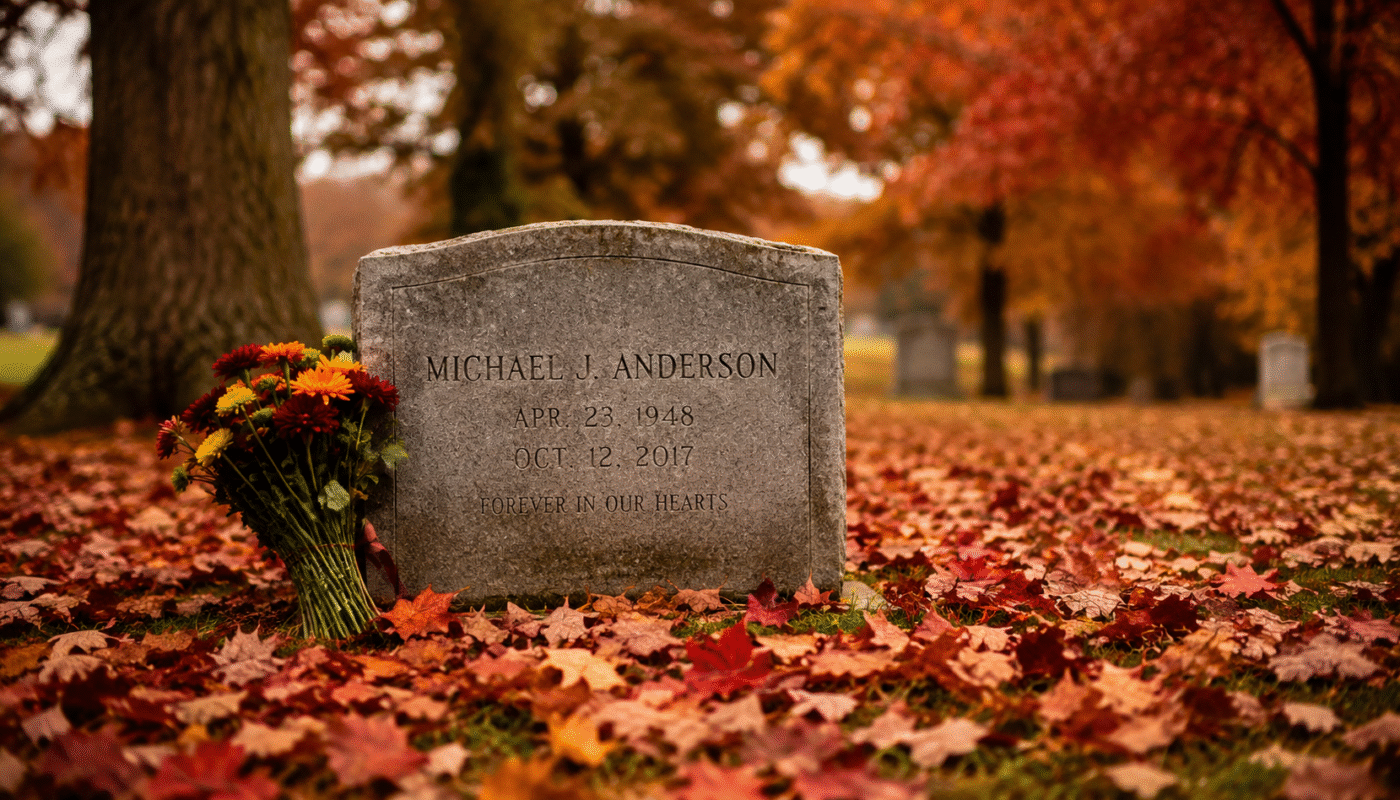
Memorial Day offers a sacred pause in our busy lives to remember and honor those who have died. While originally established to commemorate fallen military service members, Memorial Day has evolved into a broader day of remembrance for all loved ones we’ve lost.
For families who have experienced loss, Memorial Day can be both comforting and emotionally complex. It provides a culturally recognized time to visit cemeteries, share memories, and acknowledge grief publicly. Yet it can also intensify feelings of loss as we’re reminded of all those who won’t be at our summer gatherings.
This guide explores meaningful ways to observe Memorial Day, whether you’re honoring a veteran, remembering a recently deceased loved one, or continuing a long-standing tradition of remembrance.
The History and Meaning of Memorial Day
Understanding Memorial Day’s origins helps us appreciate its deeper significance beyond barbecues and long weekends.
From Decoration Day to Memorial Day
Memorial Day began as Decoration Day after the Civil War, when communities across the nation gathered to decorate the graves of fallen soldiers with flowers and flags. The practice honored those who died in service to their country and provided comfort to grieving families.
In 1868, General John A. Logan officially proclaimed May 30 as Decoration Day, a day for the nation to decorate the graves of Civil War soldiers. Over time, the observance expanded to honor all American military personnel who died in service.
In 1971, Congress declared Memorial Day a federal holiday, moving it to the last Monday in May to create a three-day weekend. While this change allowed more Americans to participate in remembrance activities, some veterans’ organizations believe it diminished the holiday’s solemn purpose.
Memorial Day vs. Veterans Day
Many people confuse Memorial Day with Veterans Day, but these holidays serve different purposes:
Memorial Day (last Monday in May) honors military personnel who died in service to the nation. It’s a day of mourning and remembrance for the fallen.
Veterans Day (November 11) celebrates all who have served in the armed forces, living and deceased. It’s a day to thank veterans for their service.
While both days recognize military service, Memorial Day specifically focuses on those who made the ultimate sacrifice.
Expanding Beyond Military Remembrance
Today, many Americans use Memorial Day to remember all deceased loved ones, not only military personnel. Cemeteries see their highest visitation of the year on Memorial Day weekend as families visit graves, leave flowers, and spend time reflecting on those they’ve lost.
This broader interpretation of Memorial Day as a general day of remembrance is widely accepted and can be deeply meaningful, particularly for families without military connections who still want a designated time for honoring their dead.
Ways to Honor Veterans on Memorial Day
If you’re remembering a veteran or active military member who died, these traditions carry particular significance.
Visit Their Resting Place
For many families, Memorial Day means visiting the cemetery or memorial where their veteran is laid to rest. This pilgrimage connects you to a national community of remembrance as millions of Americans do the same across the country.
Cemetery visit ideas: – Bring fresh flowers or small American flags – Clean and maintain the gravesite – Spend quiet time in reflection – Share stories with family members who join you – Take a photo to share with distant relatives – Leave a meaningful item that reflects their service or personality
Participate in Memorial Day Ceremonies
Many communities hold Memorial Day ceremonies at cemeteries, veterans’ memorials, or town squares. These public observances allow you to honor your loved one while connecting with others who understand the sacrifice of military families.
Bay Area Memorial Day ceremonies include: – Wreath-laying ceremonies at local veterans’ memorials – Parades honoring fallen service members – Moment of silence at 3:00 PM local time (National Moment of Remembrance) – Cemetery commemorations with military honors – Veterans’ organization gatherings
Check with your local VFW, American Legion post, or city government for specific events in your area.
Display the American Flag Properly
Flying the flag on Memorial Day is a powerful tribute to fallen service members. Proper flag etiquette shows respect for those who died defending it.
Memorial Day flag protocol: – Raise the flag briskly to full-staff at sunrise – Lower it to half-staff until noon (honoring the fallen) – Raise it to full-staff from noon until sunset (honoring living veterans and future generations) – If displaying overnight, it must be properly illuminated – Never let the flag touch the ground
If you’re unsure about flag etiquette, the American Legion and VFW offer comprehensive guides.
Support Gold Star Families
Gold Star families have lost a loved one in military service. Memorial Day holds profound significance for these families, as the nation collectively acknowledges their sacrifice.
Ways to support Gold Star families: – Volunteer with organizations like The Tragedy Assistance Program for Survivors (TAPS) – Donate to scholarships for military children – Write letters to fallen service members’ families – Participate in honor rides or memorial runs – Simply thank a Gold Star family member if they share their loss
Share Their Story
Telling your veteran’s story keeps their memory alive and honors their service. Memorial Day is an ideal time to share these stories with younger family members who never knew them.
Story sharing ideas: – Write down their military experiences – Digitize old photos and service records – Share memories on social media with appropriate hashtags – Create a memorial page or website – Contribute their story to veteran oral history projects – Display their medals, uniform, or service photos at home
Honoring Non-Military Loved Ones on Memorial Day
You don’t need a military connection to observe Memorial Day as a day of remembrance. Many families find comfort in using this nationally recognized day to honor any loved one who has died.
Cemetery Visits and Grave Care
Memorial Day weekend sees the highest cemetery visitation of the year. Joining this collective act of remembrance can feel deeply meaningful, even if your loved one wasn’t in the military.
Grave care activities: – Clean the headstone or marker – Plant flowers or place potted plants – Refresh faded decorations – Remove winter debris – Place meaningful items (within cemetery rules) – Take time to sit and remember
Many cemeteries have specific rules about decorations and plantings, so check guidelines before your visit.
Create a Memorial Day Tradition
Establishing family traditions around Memorial Day provides structure for remembrance and gives children a positive way to stay connected to deceased relatives.
Memorial Day family traditions: – Annual cemetery picnic (where permitted) – Family gathering to share stories and look at photos – Planting a memorial garden at home – Creating art or writing in honor of your loved one – Visiting multiple gravesites to honor extended family – Lighting a memorial candle at a specific time – Preparing and sharing your loved one’s favorite foods
Traditions don’t need to be elaborate. Simple, consistent rituals often carry the most meaning.
Private Remembrance at Home
If visiting a cemetery isn’t possible or doesn’t feel meaningful to you, private remembrance at home is equally valid.
At-home remembrance ideas: – Create a temporary memorial display with photos and mementos – Light a candle in their memory – Play their favorite music – Cook a meal they loved – Write them a letter – Look through photo albums – Share memories with family via video call – Watch home videos or look at digital photos together
Support Causes They Cared About
Honoring your loved one by supporting causes they valued transforms grief into positive action and keeps their legacy alive.
Meaningful Memorial Day actions: – Donate to their favorite charity in their name – Volunteer for an organization they supported – Continue a project they started – Mentor someone in their field or hobby – Plant trees or support environmental causes if they loved nature – Contribute to medical research for the illness that took them
Memorial Day Activities for Children
Including children in Memorial Day remembrance teaches them about honoring those who came before and gives them healthy ways to process loss.
Age-Appropriate Cemetery Visits
Children can participate in cemetery visits when activities are tailored to their developmental level.
For young children (ages 3-7): – Let them help clean the headstone with appropriate tools – Have them arrange flowers or decorations – Tell simple, positive stories about the deceased – Keep visits brief to match attention spans – Bring a small toy or book to occupy them if needed
For older children (ages 8-12): – Explain the significance of Memorial Day – Share more detailed stories and memories – Let them choose flowers or decorations – Encourage questions about death and remembrance – Include them in maintenance tasks
For teenagers: – Discuss family history and genealogy – Share deeper emotions and memories – Involve them in planning Memorial Day activities – Respect their need to process grief independently – Create opportunities for them to express their feelings
Memorial Day Crafts and Projects
Creative activities help children process loss and create tangible connections to deceased loved ones.
Child-friendly memorial projects: – Create memory boxes with photos and small items – Make cards or drawings to bring to the cemetery – Plant flowers in small pots to place at gravesites – Create flag decorations for veterans’ graves – Build a memory book with stories and drawings – Make paper chains with written memories on each link
Teaching About Service and Sacrifice
Memorial Day offers opportunities to teach children about military service, sacrifice, and civic responsibility.
Educational activities: – Read age-appropriate books about Memorial Day and military service – Visit local war memorials or museums – Watch documentaries suitable for their age – Attend community Memorial Day ceremonies – Create thank-you cards for current service members – Learn about different military branches and what they do
Memorial Day in the Bay Area
The San Francisco Bay Area offers numerous opportunities for meaningful Memorial Day observance.
Bay Area Memorial Day Events
Each year, communities throughout the Bay Area hold ceremonies and events honoring fallen service members and remembering loved ones.
Annual Bay Area observances include: – San Francisco National Cemetery Memorial Day ceremony – Oakland’s Mountain View Cemetery remembrance events – Golden Gate National Cemetery ceremonies – Local parades in Livermore, Pleasanton, and throughout the East Bay – Veterans’ memorial services in cities across the region – Wreaths Across America ceremonies at multiple locations
Contact your city’s parks and recreation department or local veterans’ organizations for specific event details.
Bay Area Cemeteries Open for Visitation
Most Bay Area cemeteries extend hours during Memorial Day weekend to accommodate increased visitation.
Memorial parks and cemeteries throughout Alameda County, Contra Costa County, and the broader Bay Area welcome families for remembrance visits. Many offer special programs, complimentary flag placement for veterans, and extended visiting hours.
Plan your visit early in the day if you prefer quieter reflection, or join the afternoon crowds to be part of the collective remembrance experience.
Combining Memorial Day with Bay Area Traditions
The Bay Area’s beautiful late-spring weather makes Memorial Day weekend ideal for combining remembrance with outdoor activities that your loved one enjoyed.
Bay Area Memorial Day ideas: – Visit a cemetery in the morning, then picnic at a park they loved – Hike a trail with memorial views – Visit the beach if they loved the ocean – Tour wine country if that was a shared passion – Attend outdoor concerts or community events in their memory – Gather family for traditional Bay Area activities they enjoyed
Making Memorial Day Meaningful for the Recently Bereaved
If this is your first Memorial Day after losing someone, the day may feel especially difficult. Here’s how to navigate it with care.
Managing Expectations
Memorial Day can be emotionally overwhelming when your loss is recent. Give yourself permission to observe it in whatever way feels manageable, even if that means doing very little.
You don’t have to attend cemetery ceremonies, participate in family gatherings, or maintain traditions that feel too painful this year. Protecting your emotional wellbeing is not disrespectful to the deceased.
Deciding Whether to Visit
Some newly bereaved people find cemetery visits comforting, while others find them overwhelming. Neither response is wrong.
If you’re unsure, consider a brief visit early in the day when crowds are smaller, and bring a support person who can leave with you if emotions become too intense. You can always return another time when you feel more ready.
Creating Your Own Observance
Memorial Day can be privately observed in whatever way brings you comfort. Traditional cemetery visits and public ceremonies aren’t the only meaningful options.
Personal observance ideas: – Light a candle at the time your loved one was born – Play a video message if you have one recorded – Cook their favorite meal – Watch their favorite movie – Simply acknowledge the day quietly – Write in a grief journal – Call a friend or family member who also misses them
Balancing Remembrance with Joy
Memorial Day weekend traditionally marks the beginning of summer, with barbecues, beach trips, and celebrations. Balancing remembrance with joy can feel confusing, particularly when your grief is fresh.
It’s Not Disrespectful to Enjoy the Day
Experiencing moments of happiness on Memorial Day doesn’t dishonor the deceased. Your loved one would want you to live fully and find joy when possible. Grief and gratitude can coexist.
Many families integrate both solemn remembrance and joyful celebration, starting the day at the cemetery before moving to picnics or family gatherings. This combination honors the dead while affirming life—a balance your loved one would likely appreciate.
Inclusive Gatherings
If you’re hosting a Memorial Day gathering, consider including a moment of remembrance for those who have died. This acknowledges loss while celebrating life with those present.
Simple remembrance gestures: – A toast to absent friends and family – A moment of silence before the meal – Sharing one memory of each person being remembered – Displaying photos of deceased loved ones – Lighting a memorial candle
These small acknowledgments create space for grief within celebrations without making the entire event somber.
Observing Memorial Day at Monte Vista Memorial Gardens
Monte Vista Memorial Gardens provides a setting for Memorial Day remembrance. Our grounds in Livermore are open for families to visit and honor loved ones during this significant day.
Whether you’re visiting a veteran’s burial site or remembering any loved one laid to rest at Monte Vista, our grounds are accessible throughout Memorial Day weekend to accommodate family visits.
We welcome families to bring flowers, flags, and other meaningful tributes (within our placement guidelines) to honor those they’ve lost. Our staff is available to assist with finding specific gravesites or answering questions about cemetery services.
For families planning ahead, Memorial Day often brings clarity about final wishes and the value of pre-planning. Our compassionate team is available to discuss burial plot options and pre-arrangement plans that give you peace of mind and ease the burden on your family.
Call 510-299-1174 to learn about Memorial Day visiting hours, placement guidelines, or to discuss pre-planning options. Monte Vista Memorial Gardens serves Bay Area families with dignity, cultural sensitivity, and respect for all traditions.