
Montevista | Memorial Service vs Funeral: Understanding the Difference
Memorial Service vs Funeral: Understanding the Difference


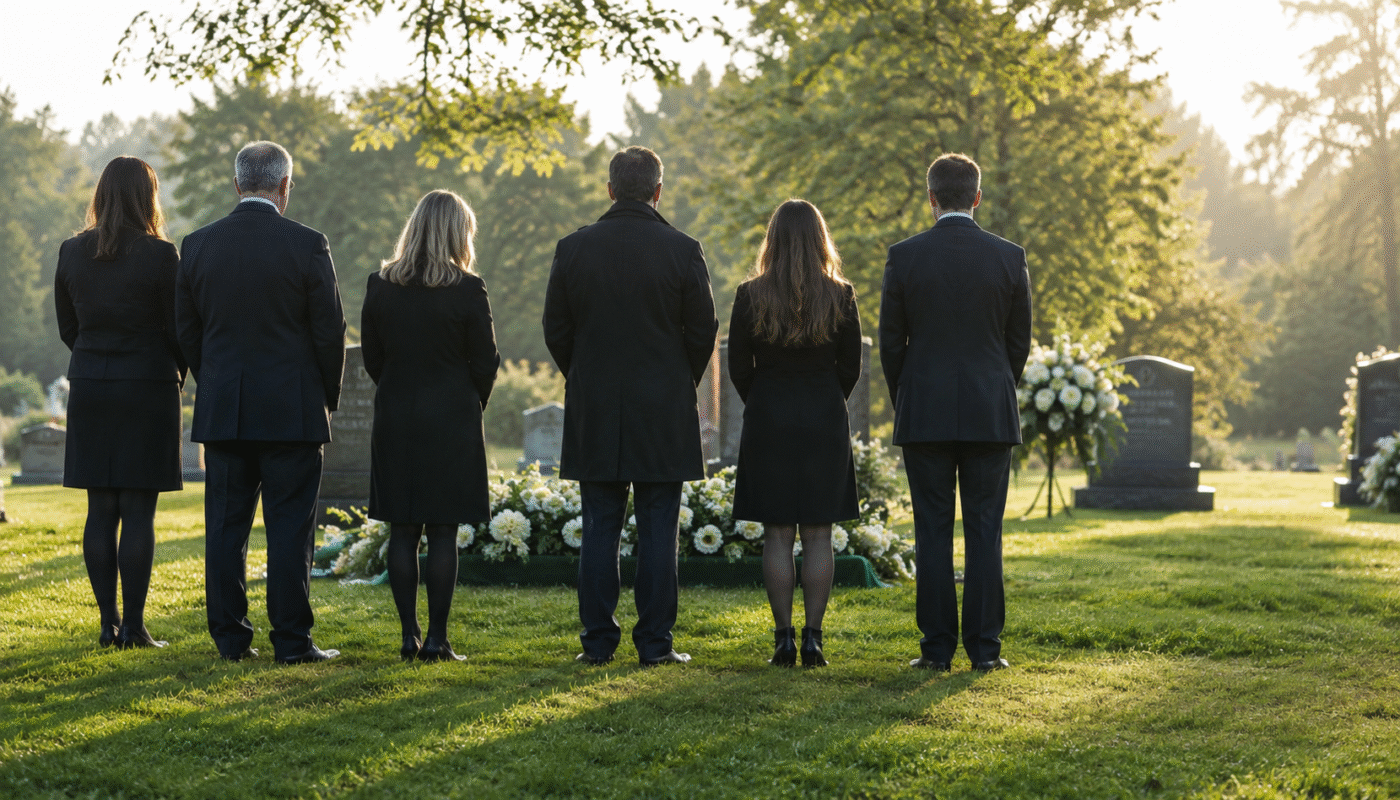
People often use “funeral” and “memorial service” interchangeably, but they’re distinct service types with important differences. A funeral occurs with the body present, typically shortly after death. A memorial service happens without the body—after burial or cremation—often weeks or months later.
Understanding these differences helps you choose the format that best honors your loved one, serves your family’s needs, and aligns with your circumstances. Neither option is inherently better; they simply serve different purposes and provide different benefits.
This guide explains how funerals and memorial services differ, what each includes, costs, who they work for, and how to decide between them.
In This Article: – Defining the Key Difference – What Is a Funeral? – What Is a Memorial Service? – Major Differences Explained – Cost Comparison – Who Chooses Each Option – Timing Considerations – Can You Have Both? – How to Decide – Key Takeaways
Defining the Key Difference
The fundamental distinction is simple: body presence.
Funeral
Body is present during the service – Service occurs before burial or cremation – Casket with body (open or closed) at ceremony – Typically happens within 5-10 days of death – More structured timeline
Memorial Service
Body is not present during service – Service occurs after burial or cremation already occurred – No casket or body at ceremony – Can happen anytime from days to months after death – Flexible timeline
This single difference creates cascading effects on timing, cost, format, and logistics.
What Is a Funeral?
Funerals are traditional services conducted with the deceased’s body present.
Typical Funeral Elements
Viewing/Visitation: – Open or closed casket – Family and friends see deceased – Typically 2-4 hours before service or evening before – Opportunity for final goodbye
Funeral Ceremony: – Religious or secular service – Officiant leads ceremony – Eulogies, readings, music – Formal structure – 30-60 minutes typically – Casket present (usually at front of chapel)
Procession: – Formal drive from service location to cemetery – Hearse leads – Family vehicles follow – Community witnesses passage
Committal at Cemetery: – Brief graveside service – Final prayers or words – Casket lowering – Burial or entombment
Funeral Timeline
Funerals must happen relatively quickly: – Body requires embalming or refrigeration – Typically 5-10 days after death – Coordinated with cemetery availability – Time pressure for planning
Funeral Costs
$7,000-$12,000+ in Bay Area including: – Embalming: $500-$900 – Casket: $2,000-$10,000+ – Viewing facilities: $300-$600 – Funeral service coordination: $400-$800 – Transportation: $600-$1,000 – Cemetery costs: $3,000-$8,000+
What Is a Memorial Service?
Memorial services honor the deceased without the body present.
Typical Memorial Service Elements
Gathering Space: – Funeral home, church, home, park, any location – No need for facilities to accommodate casket/body – More venue flexibility
Service Format: – Less structured than traditional funerals – Eulogies and remembrances – Photo/video tributes – Music – Memory sharing – Can be formal or casual
Memorial Displays: – Photos throughout person’s life – Memory tables with personal items – Urn with cremated remains (optional) – Meaningful objects representing their life
Reception: – Informal gathering – Food and conversation – Continued memory sharing – Less somber atmosphere often
Memorial Service Timeline
Much more flexible: – Can occur days, weeks, or months after death – No time pressure from body preservation – Can wait for family to gather – Allows thorough planning – Can coincide with meaningful dates
Memorial Service Costs
$2,000-$5,000 including: – Professional services: $1,500-$2,500 – Venue rental: $200-$800 – Programs and materials: $100-$300 – Reception: $500-$2,000 – Flowers/décor: $200-$500
Lower costs because: – No embalming needed – No casket required – No viewing facilities needed – No urgent cemetery coordination – More DIY-friendly
Major Differences Explained
Beyond body presence, several key differences distinguish these services.
Timing and Urgency
Funerals: – Must occur within days/weeks – Body preservation limits timeline – Cemetery coordination required – Time pressure for planning – Family must gather quickly
Memorial Services: – Can occur anytime – No preservation concerns – Flexible scheduling – Ample planning time – Family can travel when convenient
Location Flexibility
Funerals: – Limited to venues accommodating casket/viewing – Typically funeral homes or churches – Professional facilities required – Space must suit formal ceremony
Memorial Services: – Can occur anywhere – Parks, beaches, homes, restaurants – Non-traditional venues welcome – Informal spaces appropriate
Format and Structure
Funerals: – More formal traditionally – Religious protocols often followed – Structured ceremony – Processional elements – Traditional flow expected
Memorial Services: – More flexible format – Can be formal or casual – Creative programming welcome – No processional needed – Can break from tradition
Emotional Tone
Funerals: – Often more somber – Focus on loss and grief – Formal goodbye to body – Traditional mourning atmosphere – Closure through viewing
Memorial Services: – Can be uplifting/celebratory – Focus on life lived – Celebrate memories – More conversational atmosphere – Closure through remembering
Preparation Requirements
Funerals: – Body embalming/preparation needed – Casket selection required – Viewing room setup – Precise timing coordination – Professional services essential
Memorial Services: – No body preparation – No casket needed – Simple setup – Flexible coordination – Can be more DIY
Religious Considerations
Funerals: – Many religions prescribe specific funeral rituals – Body presence often required in tradition – Specific prayers and ceremonies – Religious requirements drive format
Memorial Services: – More flexibility with religious elements – Can blend or omit religious content – Less prescribed structure – Easier to accommodate diverse beliefs
Cost Comparison
Significant cost differences exist between options.
Funeral Costs Breakdown
Total: $7,000-$12,000+
Required elements: – Professional services: $2,000-$3,000 – Embalming: $500-$900 – Casket: $2,000-$10,000+ (average $2,500) – Viewing facilities: $300-$600 – Ceremony space: $400-$800 – Transportation: $600-$1,000
Cemetery expenses: – Plot: $1,500-$5,000+ – Opening/closing: $800-$1,500 – Vault: $1,000-$3,000 – Marker: $1,000-$5,000+
Memorial Service Costs Breakdown
Total: $2,000-$5,000
Required elements: – Professional coordination: $1,500-$2,500 – Venue rental: $0-$800 (free at home/park) – Urn: $100-$500 – Programs: $50-$200 – Reception: $200-$2,000
Disposition costs separate: – Direct cremation: $1,000-$3,000 – Direct burial: $2,000-$4,000
Why Memorial Services Cost Less
- No embalming (saves $500-$900)
- No expensive casket for viewing (saves $1,000-$8,000)
- No viewing facilities (saves $300-$600)
- More venue options (can use free locations)
- More time to shop for services and products
- More DIY-friendly (can handle some elements yourself)
Total Cost Comparison
Traditional funeral with burial: $10,000-$15,000+
Direct cremation + memorial service: $3,000-$8,000
Savings with memorial approach: $5,000-$10,000
Who Chooses Each Option
Different circumstances favor each format.
Who Chooses Funerals
Traditional families: – Value established customs – Religious requirements – Cultural expectations – Prefer formal structure
Those wanting viewing: – Need to see deceased for closure – Want open-casket goodbye – Family requires visual confirmation – Viewing helps process death
Immediate services needed: – Religious requirements (Jewish, Muslim quick burial) – Prefer handling everything at once – Don’t want delayed process
Following deceased’s wishes: – Person requested traditional funeral – Pre-planned traditional services – Cultural/religious expectations
Who Chooses Memorial Services
Those choosing cremation: – Memorial naturally follows cremation – Remains can be present or not – Flexible disposition timing
Geographically scattered families: – Need time for travel arrangements – International family members – Coordinate schedules across time zones – Allow everyone to attend
Budget-conscious families: – Significant cost savings – Simpler logistics – More affordable options
Preferring celebration over mourning: – Want uplifting gatherings – Celebrate life rather than mourn death – Less traditional approach – Creative memorial ideas
Those wanting planning time: – Thoughtful, personalized services – Coordinate complex elements – Not rushed by time constraints – Create meaningful tributes
Timing Considerations
When services occur matters practically and emotionally.
Funeral Timing
Typical timeline: 5-10 days from death
Advantages: – Immediate community support – Quick closure – Prompt resolution – Everyone gathers while in town
Disadvantages: – Rushed planning – Distant family may not arrive – Decisions made in grief-fog – Limited preparation time
Memorial Service Timing
Typical timeline: 2 weeks to 6+ months after death
Advantages: – Thoughtful planning – Everyone can attend – Coordinate schedules – Create personalized services – Make decisions clearly
Disadvantages: – Delayed closure – Prolonged grief period – May feel like avoiding reality – Momentum can be lost
Special Timing
Anniversaries: Some families hold memorial services on: – One-month anniversary – 40 days (some cultural traditions) – Six months after death – One-year anniversary
Allows time for grief processing before gathering to remember.
Can You Have Both?
Yes—many families combine elements.
Common Combinations
Private funeral + public memorial: – Immediate family has traditional funeral with viewing – Weeks later, broader memorial for community – Provides viewing closure plus inclusive celebration
Funeral service + later celebration of life: – Traditional funeral shortly after death – Months later, upbeat celebration of life – Serves different emotional needs
Graveside service + memorial: – Brief burial for immediate family – Later memorial service for extended family/friends – Separates disposition from community gathering
Small funeral + multiple memorials: – Local funeral where person died – Memorial services in multiple cities where person lived – Allows different communities to gather
Benefits of Dual Approach
- Serves different needs: Viewing for some, celebration for others
- Includes everyone: Immediate burial for close family, later memorial for all
- Honors traditions while being creative: Traditional funeral then innovative celebration
- Manages logistics: Quick burial then well-planned memorial
How to Decide
Consider these factors when choosing.
Questions to Ask
Religious/Cultural: – What do our traditions require or expect? – Does our faith prescribe specific practices?
Viewing: – Does anyone need to see the body for closure? – Is viewing important to processing death?
Timing: – How quickly can family gather? – Do we need time to plan? – Are there travel constraints?
Budget: – What can we afford? – Are cost savings important?
Deceased’s Wishes: – Did they express preferences? – What would they have wanted?
Emotional Needs: – Do we need immediate closure? – Would delayed service feel better? – What helps our grieving process?
Community: – Who needs to attend? – What format serves them best?
Decision Framework
Choose funeral if: – Viewing is important – Religious tradition requires it – Immediate services needed – Traditional format desired – Budget allows
Choose memorial service if: – Choosing cremation – Family needs time to gather – Budget is limited – Want creative/personalized service – Prefer less formal gathering
Consider both if: – Family has diverse needs – Want viewing plus celebration – Can manage logistics and cost – Desire intimate funeral plus public memorial
Planning Either Service at Monte Vista
Monte Vista Memorial Gardens can support families planning burial and memorial services, helping you understand the options available regardless of format. Our staff can explain differences between service types and guide you toward arrangements that honor your loved one while meeting your family’s needs and budget.
Whether you choose a memorial service after cremation or burial, or some combination of approaches, our team can help coordinate compassionate support throughout the planning process.
Call 510-299-1174 to discuss burial and memorial service options with our staff, who can help you decide which format fits your situation.
Key Takeaways
Understanding differences helps you choose the right service format:
-
Key difference: funerals include the body; memorial services occur after burial/cremation without the body present.
-
Funerals happen within 5-10 days of death with viewing, formal ceremony, procession, and graveside committal—costing $7,000-$12,000+ in Bay Area.
-
Memorial services occur anytime from days to months later with flexible format and location—costing $2,000-$5,000 plus separate disposition costs.
-
Funerals provide viewing closure, traditional structure, and immediate community support but require quick planning and cost more.
-
Memorial services offer timing flexibility, lower costs, creative formats, and thorough planning time but provide no viewing and delay community gathering.
-
Families can have both formats—private funeral plus public memorial, traditional service plus later celebration, or other combinations.
-
Choose based on viewing importance, timing needs, budget, religious requirements, deceased’s wishes, and emotional needs.
Neither format is better—the right choice depends on your specific circumstances, values, and what provides meaningful closure for your family.
Questions About Funerals vs Memorial Services?
Our team can help families understand differences and choose service formats that honor loved ones meaningfully while meeting practical needs and budgets.
Call 510-299-1174 to discuss funeral and memorial service options and decide which format fits your situation.