
Montevista | Religious vs Secular Funeral Services
Religious vs Secular Funeral Services


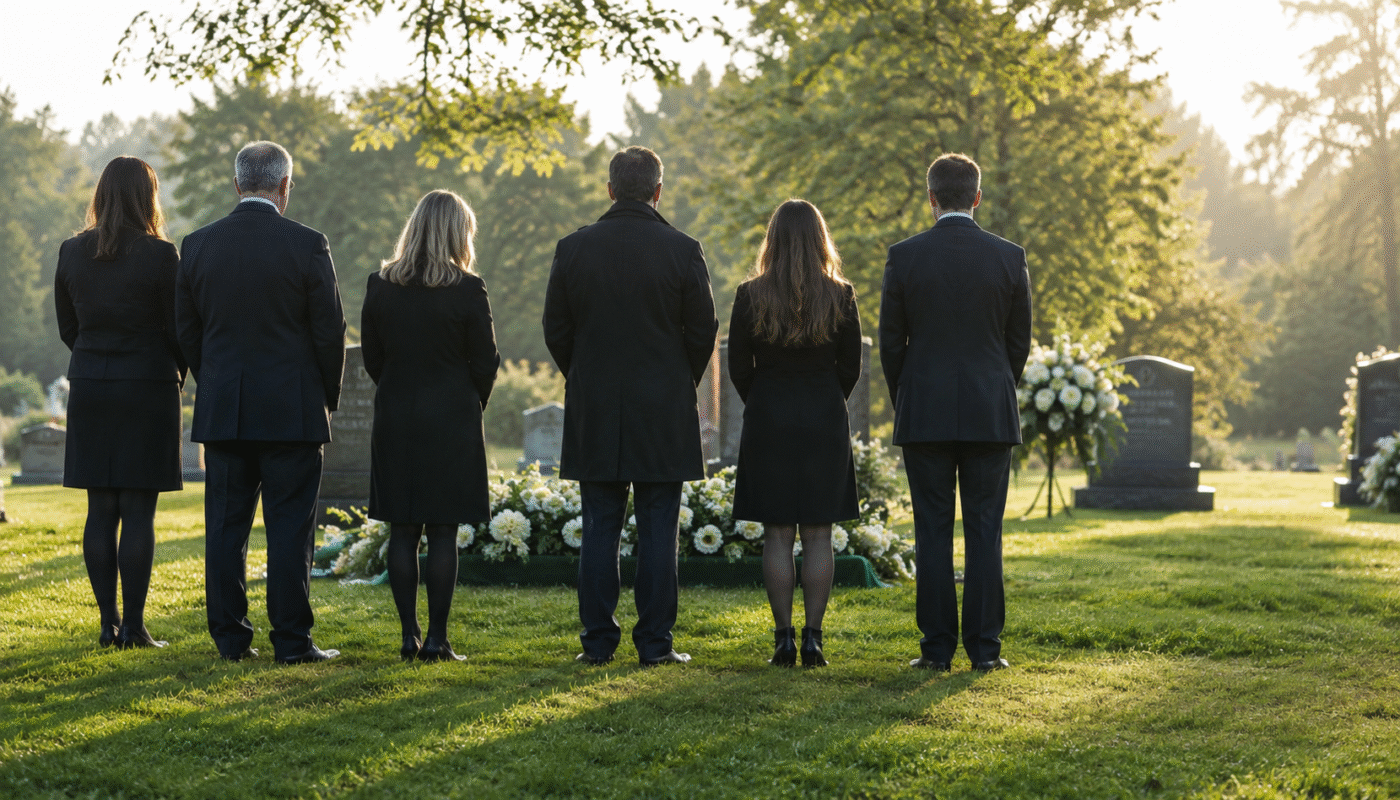
Religious and secular funerals differ fundamentally in their approach to death, the role of faith traditions, and the content of services. Religious funerals incorporate prayers, scripture readings, clergy leadership, and rituals from specific faith traditions, viewing death through spiritual or theological lens. Secular funerals focus on celebrating the deceased’s life without religious elements, emphasizing human relationships, accomplishments, and personal legacy.
Neither approach is inherently better—the right choice depends on the deceased’s beliefs, family’s faith traditions (or lack thereof), and what provides comfort and meaning during grief. Some families blend both approaches, incorporating religious elements while maintaining secular focus, creating hybrid services honoring both faith and individuality.
This guide explains key differences between religious and secular funerals, what each includes, who they serve, and how to decide which approach fits your situation.
In This Article: – Defining Religious and Secular Funerals – Religious Funeral Services – Secular Funeral Services – Key Differences – Who Chooses Each Type – Hybrid Approaches – How to Decide – Key Takeaways
Defining Religious and Secular Funerals
Understanding basic definitions clarifies the spectrum.
Religious Funerals
Services incorporating faith tradition elements: – Religious authority (clergy, religious leader) – Sacred texts (scriptures, prayers, liturgy) – Theological framework (afterlife, salvation, eternal life) – Religious rituals (sacraments, blessings, traditional rites) – Faith community gathering – Religious language and symbolism
Religious funerals follow protocols of specific traditions: Catholic Mass, Jewish burial service, Muslim Janazah, Protestant funeral, Hindu last rites, Buddhist memorial service, etc.
Secular Funerals
Services without religious elements: – Non-clergy officiant (celebrant, family member, friend) – Non-religious content (poetry, philosophy, personal reflections) – Humanistic focus (life lived, relationships, legacy) – No theological claims (no heaven/hell, salvation, afterlife discussion) – Personalized content rather than prescribed ritual – Neutral or non-religious language
Secular funerals often called humanist funerals, civil ceremonies, or life celebrations.
The Spectrum
Services exist on continuum: – Fully religious (traditional Catholic funeral Mass) – Primarily religious with personal touches – Balanced blend of religious and secular – Primarily secular with occasional spiritual element – Fully secular (humanist ceremony)
Many funerals fall somewhere in the middle rather than purely one or the other.
Religious Funeral Services
Religious services follow faith tradition structures.
Common Elements
Most religious funerals include:
Clergy leadership: – Priest, pastor, rabbi, imam, or other religious authority – Trained in conducting funeral services – Represents faith community – Provides spiritual interpretation
Sacred texts: – Scripture readings (Bible, Torah, Quran, Bhagavad Gita, sutras) – Selected passages about death, comfort, eternal life – Read by clergy or assigned readers – Familiar texts to faith community
Prayers: – Opening and closing prayers – Prayers for deceased – Prayers for family – Traditional funeral prayers specific to tradition – Congregational participation
Religious music: – Hymns – Psalms – Traditional funeral songs – Organ or choir – Faith-specific musical selections
Rituals: – Sacraments (Catholic last rites, communion) – Incense burning (Catholic, Orthodox, Buddhist) – Washing and anointing (various traditions) – Candle lighting – Faith-specific ceremonial elements
Theological content: – Sermon or homily about death and eternal life – Religious interpretation of death – Comfort based in faith teaching – Afterlife discussion – Resurrection or reincarnation beliefs
Variations by Faith Tradition
Catholic: – Funeral Mass (full Mass with Eucharist) – Or funeral liturgy (without communion) – Vigil service evening before – Graveside committal prayers – Highly structured liturgy
Protestant: – Varies widely by denomination – Generally less structured than Catholic – Emphasizes scripture and preaching – Hymns and congregational singing – Personal eulogy often included
Jewish: – Simple, austere ceremony – Focus on deceased, not display – Readings from Psalms – Rabbi leads or family-led – Quick burial (within 24 hours traditionally) – Kaddish prayer – Week of shiva (mourning period)
Muslim: – Salat al-Janazah (funeral prayer) – Imam leads – No eulogies traditionally – Body faces Mecca – Burial within 24 hours – Simple, humble ceremony
Buddhist: – Chanting of sutras – Monks may preside – Meditation and reflection – Emphasis on impermanence – Sometimes multiple services over days – Incense and offerings
Hindu: – Traditionally cremation – Prayers and mantras – Holy texts recited – Rituals led by priest – Focus on soul’s journey – Mourning period customs
Advantages of Religious Services
Provides structure: – Familiar format during chaos – Prescribed rituals guide family – Know what to expect – Comforting predictability
Offers theological comfort: – Faith-based explanation of death – Promise of afterlife or continuation – Religious framework for understanding – Spiritual support during grief
Community support: – Faith community gathers – Shared beliefs and values – Congregational participation – Ongoing church support after funeral
Honors tradition: – Continues cultural and family traditions – Respects deceased’s faith – Connects to generations of believers – Meaningful to religious family members
Secular Funeral Services
Secular services focus on human experience without religious framework.
Common Elements
Secular funerals typically include:
Celebrant or layperson officiates: – Professional funeral celebrant – Family member – Close friend – No religious authority
Personal content: – Eulogies about deceased’s life – Stories and memories – Readings from favorite literature, poetry, philosophy – Non-religious music (any genre) – Reflections on life and legacy
Humanistic focus: – Celebrating life lived – Impact on others – Relationships and connections – Achievements and character – How deceased will be remembered – Continuing influence
Flexible format: – No prescribed structure – Created specifically for this person – Can be formal or casual – Incorporates personal touches – Length and flow determined by family
Music and art: – Deceased’s favorite music (any style) – Poetry or literature they loved – Visual tributes (photos, videos) – Artistic expressions – Cultural elements without religious content
Participatory elements: – Multiple speakers sharing memories – Open mic opportunities – Interactive rituals (candle lighting, flower placement) – Memory sharing – Communal participation
Secular Funeral Philosophies
Humanist approach: – Emphasis on human dignity and worth – Celebrating human achievements – Focus on this life, not afterlife – Rationalist worldview – Ethical values without religious basis
Naturalist approach: – Connection to nature – Life cycle perspective – Environmental themes – “Return to earth” focus – Appreciation for natural world
Existentialist approach: – Meaning created through life lived – Individual’s unique existence – Freedom and responsibility – Legacy through actions and relationships
Advantages of Secular Services
Inclusive: – Accommodates diverse beliefs – No religious knowledge required – Non-believers comfortable – Mixed-faith families included – Broader attendance welcome
Personalized: – Entirely tailored to individual – No prescribed elements – Creative freedom – Unique to this person – Flexibility in content and format
Authentic for non-religious: – Honest reflection of beliefs (or lack thereof) – No contradiction with deceased’s worldview – Family doesn’t feign religious belief – Integrity to person’s actual philosophy
Focus on relationships: – Emphasizes human connections – Memories and stories central – Community of love and support – Tangible impact on others’ lives
Key Differences
Comparing religious and secular approaches across dimensions.
| Element | Religious Funeral | Secular Funeral |
|---|---|---|
| Officiant | Clergy (priest, rabbi, imam, pastor) | Celebrant, family member, friend |
| Content | Prayers, scripture, liturgy | Personal stories, poetry, reflections |
| Music | Hymns, religious songs | Any music meaningful to deceased |
| Framework | Theological/spiritual | Humanistic/personal |
| Structure | Prescribed by tradition | Flexible, family-determined |
| Language | Religious terminology | Secular or neutral language |
| Focus | Afterlife, salvation, eternal life | Life lived, legacy, relationships |
| Symbols | Cross, religious imagery | Personal or neutral symbols |
| Location | Church, synagogue, mosque | Anywhere appropriate |
| Readings | Sacred texts | Literature, philosophy, personal writings |
| Philosophy | Death as transition to afterlife | Death as end of life, beginning of legacy |
Similarities
Despite differences, both: – Honor and remember deceased – Provide comfort to mourners – Create community gathering – Mark significant life transition – Help family process grief – Can include eulogies and music – Often include reception afterward
Who Chooses Each Type
Different groups gravitate toward each approach.
Who Chooses Religious Funerals
Religiously observant individuals: – Active in faith community – Faith central to identity – Want religious interpretation of death – Traditional practices important – Pre-planned religious services
Cultural/ethnic traditions: – Religion tied to cultural identity – Family and community expectations – Traditional practices honored – Generational continuity valued
Seeking spiritual comfort: – Faith provides consolation – Belief in afterlife comforting – Religious community support valued – Theological framework helps make sense of loss
Honoring deceased’s wishes: – Person practiced faith tradition – Requested religious service – Pre-planned through church/synagogue/mosque
Who Chooses Secular Funerals
Non-religious individuals: – Atheist, agnostic, secular humanist – No religious affiliation – Religious content feels inauthentic – Prefer life-focused celebration
Interfaith or mixed-belief families: – Multiple religious backgrounds – Secular service avoids favoring one tradition – Inclusive approach accommodates all – Neutral ground for diverse family
Preferring personalization: – Want highly customized service – Religious structure feels limiting – Creative freedom valued – Service reflects individual uniquely
Honoring deceased’s non-religious stance: – Person explicitly non-religious – Requested non-religious service – Religious service contradicts beliefs
Hybrid Approaches
Many families blend religious and secular elements.
Common Hybrid Formats
Religious frame with personal content: – Clergy officiates – Opening and closing prayers – But substantial time for personal eulogies – Non-religious music included – Personal touches throughout
Primarily secular with spiritual elements: – Non-clergy officiant – Personal content dominates – But includes meaningful prayer – Or spiritual (not denominational) reading – Candle lighting or ritual with spiritual significance
Multi-tradition services: – Honors multiple faith backgrounds – Catholic and Jewish elements combined – Or Christian and Buddhist – Respectful representation of each tradition
Interfaith clergy: – Multiple religious leaders co-officiate – Each represents different tradition – Unified service honoring diversity – Collaborative approach
Creating Successful Hybrids
Communicate clearly: – Explain vision to officiant – Ensure clergy comfortable with blending – Balance elements thoughtfully – Avoid contradiction or confusion
Respect traditions: – Don’t misuse religious elements – Understand what’s appropriate – Consult with religious authorities – Maintain integrity of practices
Focus on person: – What truly reflects deceased? – What provides meaning to family? – What serves attendees? – Authentic hybrid, not forced combination
How to Decide
Consider these factors when choosing approach.
Questions to Ask
About deceased: – What were their religious beliefs or lack thereof? – Did they practice a faith tradition? – Did they express funeral preferences? – What would honor them authentically? – What would feel right to them?
About family: – What are family’s religious beliefs? – Are there diverse beliefs within family? – What provides comfort during grief? – What creates meaning? – What supports healing?
About community: – Who will attend? – What are their expectations? – How can service be inclusive? – What honors relationships?
Decision Framework
Choose religious funeral if: – Deceased was practicing member of faith – Religious interpretation of death comforts family – Faith tradition important to honor – Religious community provides support – Theological framework helps understanding
Choose secular funeral if: – Deceased was non-religious – Family is non-religious – Religious content feels inauthentic – Highly personalized service desired – Inclusive approach needed for diverse group
Choose hybrid if: – Some family members religious, others not – Want personal touches with spiritual frame – Respect tradition while honoring individual – Multiple faith backgrounds present – Deceased had complex relationship with religion
Religious and Secular Services at Monte Vista
Monte Vista Memorial Gardens accommodates both religious and secular funeral and burial services, and our team can work with clergy from all faith traditions and professional celebrants for non-religious ceremonies. Whether you want traditional religious services, fully secular life celebrations, or blended approaches, our staff can help coordinate arrangements.
Our staff respects all beliefs and non-beliefs, ensuring services reflect your family’s values and honor your loved one authentically—whether through time-honored religious rituals or personalized secular tributes.
Call 510-299-1174 to discuss religious or secular funeral options and plan services matching your needs.
Key Takeaways
Religious and secular funerals serve different needs and beliefs:
-
Religious funerals incorporate clergy, sacred texts, prayers, theological framework, and faith-specific rituals—following prescribed traditions viewing death through spiritual lens.
-
Secular funerals use non-clergy officiants, personal content, humanistic focus, and flexible formats—celebrating life without religious elements.
-
Key differences include officiant type, content (scripture vs. personal stories), theological vs. humanistic framework, and prescribed vs. flexible structure.
-
Religious services provide theological comfort, structured rituals, faith community support, and honor religious traditions.
-
Secular services offer inclusivity, complete personalization, authenticity for non-religious individuals, and focus on human relationships.
-
Hybrid approaches blend religious and secular elements—religious frame with personal content, primarily secular with spiritual moments, or multi-tradition services.
-
Decision depends on deceased’s beliefs, family’s faith traditions, what provides comfort, and serving diverse attendees authentically.
Neither approach is superior—the right choice honors the deceased’s beliefs and values while providing meaningful comfort to mourners.
Questions About Religious or Secular Funeral Services?
Our team can help coordinate both religious and secular funeral and burial services, working with clergy and celebrants to create ceremonies honoring your beliefs and values.
Call 510-299-1174 to discuss funeral service options matching your religious or non-religious preferences.