
Montevista | Traditional Funeral vs Celebration of Life: Which to Choose?
Traditional Funeral vs Celebration of Life: Which to Choose?


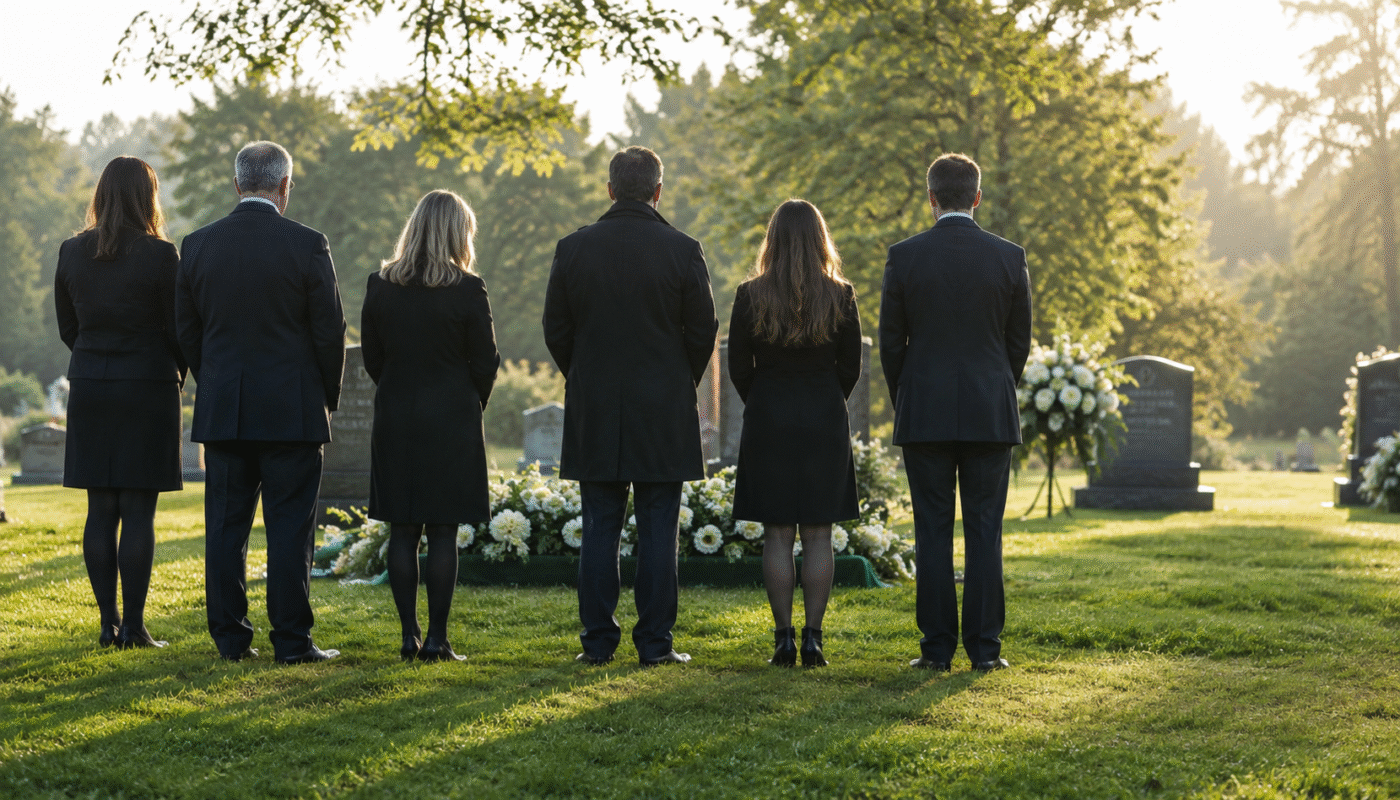
Choosing between a traditional funeral and a celebration of life reflects how you want to honor your loved one and support your family through grief. This comparison helps you understand both service types so you can make the choice that feels right.
There’s no single correct approach. Traditional funerals provide time-honored structure and solemnity, while celebrations of life offer flexibility and personalization. This guide explains both options in detail, comparing format, tone, religious elements, timing, costs, and personalization, helping you decide which approach best honors your loved one.
Traditional Funeral vs Celebration of Life: At a Glance
| Factor | Traditional Funeral | Celebration of Life |
|---|---|---|
| Timing | Within days of death | Can be weeks or months later |
| Tone | Solemn, reflective, formal | Uplifting, joyful, informal |
| Religious Elements | Often central | Optional or absent |
| Format | Structured ceremony | Flexible format |
| Attire | Formal dark clothing | Casual or themed |
| Typical Cost | $5,000 – $15,000+ | $2,000 – $8,000 |
Understanding Traditional Funerals
A traditional funeral follows established customs and ceremonies that have been practiced for generations. These services typically occur within days of death and follow a structured format that provides clear expectations for attendees.
Traditional funerals usually include several components: a visitation or wake where family and friends view the deceased and offer condolences, a formal funeral service with prayers, readings, eulogies, and music in a funeral home chapel or place of worship, and a committal service at the cemetery where final prayers are offered and burial occurs.
The tone of traditional funerals is respectful, solemn, and reflective. Services acknowledge the sadness of loss while providing structured rituals that many find comforting during grief. Religious elements often play central roles, with clergy leading prayers, readings from sacred texts, and faith-based rituals appropriate to the family’s tradition.
Common reasons families choose traditional funerals include religious requirements or strong faith traditions, desire for formal structure during an overwhelming time, cultural customs that prescribe specific practices, viewing as an important part of the grieving process, and preference for time-honored approaches that honor the deceased with dignity and reverence.
Understanding Celebrations of Life
A celebration of life focuses on honoring the deceased by celebrating their unique personality, achievements, and impact on others. These gatherings emphasize joy, happy memories, and the positive legacy left behind rather than focusing primarily on loss and grief.
Celebrations of life can occur soon after death or weeks and months later, allowing more time for planning and for distant family to attend. The format is flexible and personalized to reflect who the deceased was—services might take place in unique venues like favorite restaurants, gardens, beaches, or family homes rather than traditional funeral settings.
The tone is generally uplifting and positive, with laughter and storytelling encouraged alongside tears. Attendees share favorite memories, anecdotes, and stories that capture the person’s spirit. Music choices often include the deceased’s favorite songs rather than traditional hymns. Photo displays, videos, and memory tables showcase the person’s life and interests.
Common reasons families choose celebrations of life include secular values without religious requirements, desire to focus on positive memories and legacy, personality of the deceased who preferred joy over formality, preference for personalized rather than traditional approaches, and timing flexibility allowing better attendance and more elaborate planning.
Format and Structure
Traditional Funeral Format
Traditional funerals follow established patterns that provide clear structure:
Visitation/Wake (1-3 hours): Family receives guests who view the deceased (in an open casket if chosen) and offer condolences. This allows the community to show support and say goodbye.
Funeral Service (45-90 minutes): Formal ceremony typically includes: – Opening prayers or invocation – Scripture readings or sacred texts – Eulogy delivered by clergy, family member, or friend – Musical selections (hymns or meaningful songs) – Additional reflections or tributes – Closing prayers and committal – Recessional
Committal Service (15-30 minutes): Brief ceremony at the graveside with final prayers, readings, and lowering of the casket.
The structure provides a framework that families find comforting when making decisions feels overwhelming. Everyone knows what to expect, which can ease anxiety during an emotional time.
Celebration of Life Format
Celebrations of life embrace flexibility with format determined by family preferences:
Gathering/Reception Style: Guests mingle, share stories, view photos and mementos, and celebrate together in an informal atmosphere.
Structured Program Elements (can include any combination): – Welcome and opening remarks – Sharing of memories (open microphone often encouraged) – Photo or video presentation – Live music or favorite songs – Readings (poetry, literature, personal writings) – Symbolic activities (candle lighting, balloon release, planting ceremony) – Refreshments and socializing
Venue Flexibility: Services can occur anywhere meaningful—parks, beaches, community centers, restaurants, family properties, or funeral home facilities.
The lack of prescribed structure allows families to create entirely unique services that truly reflect the person being honored.
Tone and Atmosphere
Traditional Funeral Atmosphere
Traditional funerals maintain a solemn, respectful atmosphere. Guests speak in quiet tones, dress formally in dark colors, and observe established etiquette. The service acknowledges grief directly, providing space for tears and sadness while offering comfort through familiar rituals.
Music tends toward traditional hymns or classical pieces. Eulogies balance celebrating the person’s life with acknowledging loss. The overall feeling is one of reverence, dignity, and respect for the gravity of death.
Many families appreciate this formal atmosphere, finding that the solemnity matches their emotional state and provides appropriate recognition of their profound loss.
Celebration of Life Atmosphere
Celebrations of life create uplifting, positive atmospheres. While sadness and tears certainly occur, the emphasis is on joy, gratitude, and happy memories. Laughter is encouraged alongside tears. Guests might wear bright colors or clothing reflecting the deceased’s style.
Music features the person’s favorite songs—which might include rock, country, jazz, or other genres—rather than traditional funeral music. Stories shared often include humorous anecdotes and joyful memories. Decorations might include photos from happy occasions, favorite items or hobbies, and vibrant flowers or personal touches.
Many families appreciate this uplifting approach, especially when the deceased had a vibrant personality or expressed wishes for a joyful remembrance rather than somber mourning.
Religious and Cultural Considerations
Traditional Funerals and Faith
Traditional funerals often center on religious faith and practice. Most major religions have established funeral traditions that provide comfort through familiar prayers, rituals, and beliefs about death and afterlife.
Religious elements commonly include: – Clergy officiating the service – Prayers and liturgies from faith tradition – Scripture readings and sacred texts – Religious music and hymns – Faith-specific rituals (rosary, Kaddish, janazah prayer, etc.) – References to afterlife and spiritual comfort
For families with strong faith, traditional funerals provide spiritual comfort and fulfill religious obligations. The service acknowledges both the human loss and the spiritual dimension of death according to the family’s beliefs.
Celebrations of Life and Spirituality
Celebrations of life accommodate various spiritual approaches. Services can be entirely secular or can incorporate spiritual elements in personalized ways.
Spiritual flexibility includes: – Non-religious officiants or family members leading service – Readings from literature, poetry, or personal writings alongside or instead of scripture – Personal reflections on meaning and legacy without religious framework – Incorporation of multiple faith traditions for interfaith families – Spiritual but not religious elements (nature-focused, humanist, etc.)
This flexibility works well for families without strong religious affiliation, interfaith families, or those who want spiritual elements without traditional religious structure.
Timing and Planning
Traditional Funeral Timeline
Traditional funerals typically occur 3-7 days after death. This timeline allows family to gather while maintaining cultural and religious norms that favor prompt burial or cremation.
Planning timeframe: Compressed timeline requires quick decisions about casket or urn, service format, burial or cremation, cemetery arrangements, and floral tributes. Funeral directors guide families through these decisions efficiently.
Advantages: Provides immediate closure and community support when grief is most acute, fulfills religious or cultural requirements for prompt burial, brings family together quickly, and offers clear structure when decision-making feels overwhelming.
Challenges: Compressed timeline can feel rushed, distant family may struggle to attend on short notice, and emotional state can make decisions difficult.
Celebration of Life Timeline
Celebrations of life offer flexible timing. Some families hold services soon after death, while others wait weeks or months. This flexibility allows for more elaborate planning and better attendance.
Planning timeframe: Extended timeline (if chosen) allows thoughtful planning of venue selection and booking, photo and video compilation, coordination with distant family, creation of personalized elements, and more elaborate food and reception planning.
Advantages: Flexibility for family travel and scheduling, time to create highly personalized service, less emotional pressure during planning, ability to plan elaborate or unique venues, and option to wait for convenient timing.
Challenges: Some families find delayed services leave them without immediate closure, the community support surge after death may have passed, and extended grief without formal service can feel difficult for some.
Cost Comparison
Traditional Funeral Costs
Traditional funerals in the Bay Area typically cost $7,000 – $15,000 or more, including:
- Funeral home basic services: $2,000 – $3,500
- Embalming and preparation: $500 – $1,000
- Casket: $1,000 – $10,000+
- Viewing and service: $500 – $1,500
- Cemetery or cremation: $2,000 – $8,000+
- Headstone or marker: $1,000 – $5,000+
- Flowers, programs, reception: $500 – $2,000
The structured nature of traditional funerals often involves higher costs due to formal requirements like caskets, embalming, multiple services (visitation and funeral), and traditional funeral home settings.
Celebration of Life Costs
Celebrations of life typically cost $2,000 – $8,000, with wide variation depending on choices:
- Venue rental (if not at home): $200 – $2,000
- Cremation or simple burial: $1,500 – $4,000
- Catering/refreshments: $300 – $3,000
- Photo displays, videos, programs: $200 – $1,000
- Flowers and decorations: $200 – $1,000
- Urn or memorial items: $100 – $2,000
- Officiant or coordinator: $200 – $500
Celebrations of life can be more economical because families can choose less expensive disposition (direct cremation), use non-traditional venues, and handle more elements themselves if desired.
Cost Note: Both formats can accommodate any budget. Simple traditional funerals and elaborate celebrations of life both exist. The key difference is that traditional funerals often include specific elements (casket, embalming, formal services) that add cost.
Personalization and Flexibility
Traditional Funeral Personalization
While traditional funerals follow established formats, modern services incorporate increasing personalization:
- Eulogy content reflecting the person’s unique life
- Music selections meaningful to the family
- Personal photographs displayed
- Military honors for veterans
- Cultural elements specific to heritage
- Personal items in or near the casket
- Personalized prayer cards or programs
Traditional funerals provide structure with room for personal touches within established frameworks. Families appreciate having guidelines while still honoring individual personality.
Celebration of Life Personalization
Celebrations of life center entirely on personalization:
- Entirely customized format and flow
- Venue reflecting the person’s passions
- Themed elements (hobbies, interests, career)
- Interactive activities (memory sharing, guest books, video tributes)
- Favorite foods and beverages
- Dress code reflecting personality (casual, colorful, themed)
- Unique send-offs (balloon release, tree planting, etc.)
The flexibility allows families to create services as unique as the person being honored, limited only by imagination and practical considerations.
Weighing Your Options
Traditional Funeral: Considerations
What Families Appreciate: – Structured format provides guidance during overwhelming time – Religious and cultural traditions honored – Viewing allows final goodbye for many – Community expectations met – Time-tested rituals provide comfort – Clear roles and etiquette
Potential Drawbacks: – Higher costs due to traditional elements – Compressed timeline can feel rushed – Less flexibility in personalization – Formal atmosphere may not suit all personalities – Religious elements might not fit secular families
Celebration of Life: Considerations
What Families Appreciate: – Focus on joy and positive memories – Highly personalized to reflect individual – Flexible timing accommodates schedules – Often more affordable – Casual atmosphere feels comfortable – Creative freedom in planning
Potential Drawbacks: – Lack of structure can feel overwhelming to plan – May not fulfill religious or cultural expectations – Some find upbeat tone doesn’t match grief – Delayed services can postpone closure – Less clear etiquette may confuse guests
Making Your Decision
Your choice between a traditional funeral and celebration of life should reflect your family’s values, the deceased’s personality, and what will provide comfort during grief. Consider:
What would your loved one have wanted? Did they express preferences? Their personality can guide you—formal and traditional or casual and unique?
What do your religious or cultural traditions call for? If faith is important, traditional funerals often align better with religious practices.
What feels right emotionally? Do you need structured rituals for comfort, or does creative celebration feel more healing?
What works for your family? Consider the needs of multiple generations, distant family members, and what will help everyone grieve.
What’s your timeline? Do you need immediate closure or would extra planning time help?
Remember: You can blend elements from both approaches. Some families hold traditional funeral services but incorporate personal touches, while others create structured celebrations of life that include spiritual elements. There’s no requirement to choose one format exclusively.
Traditional and Celebration of Life Services at Monte Vista
Monte Vista Memorial Gardens supports families in creating meaningful services of all types. Whether you prefer traditional funeral structure, celebration of life flexibility, or a blend of both, our team provides guidance and facilities to honor your vision.
Traditional Funeral Services: Our team can help coordinate dignified formal funeral services with appropriate venues, working with clergy of all faiths and coordinating visitations, services, and committal ceremonies at our graveside and through partner facilities.
Celebration of Life Services: Our team can help coordinate personalized gatherings and unique services that reflect your loved one’s spirit.
Flexible Approaches: Many families create services that blend traditional elements with personal touches. We support whatever approach brings comfort and honors your loved one meaningfully.
Key Takeaways
- Both are valid choices: Traditional funerals and celebrations of life each offer meaningful ways to honor loved ones
- Consider multiple factors: Religion, personality, family needs, budget, and timing all influence the right choice
- Blending is possible: You don’t have to choose exclusively—many services incorporate elements of both
- Focus on what helps: The best service is the one that helps your family grieve and honors your loved one authentically
Questions About Service Options?
Our team helps families understand service options and create meaningful tributes whether you prefer traditional structure, celebration of life flexibility, or something in between.
Call 510-299-1174 to discuss service options with compassionate staff who will listen to your needs and help create appropriate remembrance.