
Montevista | Wake vs Funeral vs Memorial Service: Understanding Each
Wake vs Funeral vs Memorial Service: Understanding Each


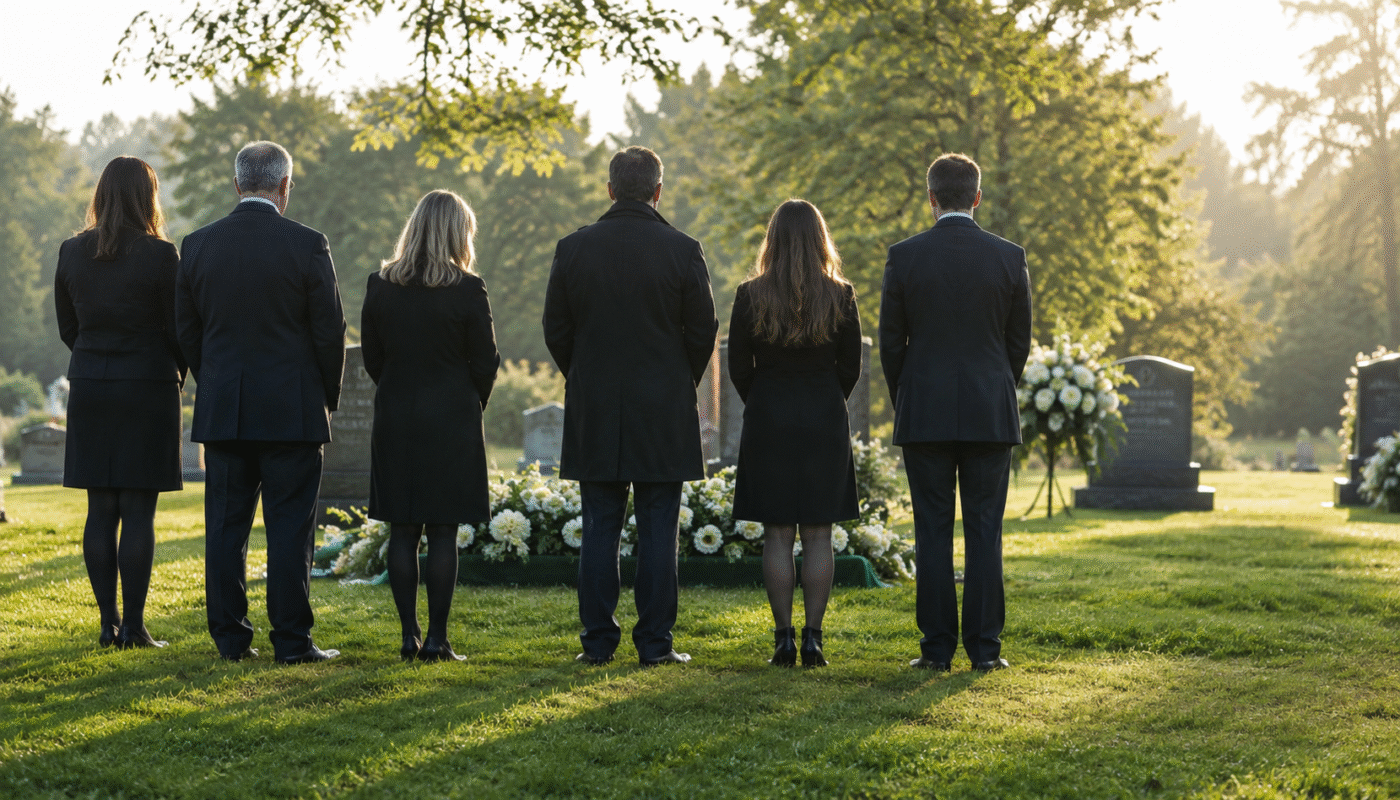
Many people use the terms “wake,” “funeral,” and “memorial service” interchangeably, but these gatherings serve distinct purposes and follow different formats. Understanding the differences helps you plan appropriate services and know what to expect when attending.
This guide clarifies what makes wakes, funerals, and memorial services unique, explaining the purpose, timing, format, and traditions of each. Whether you’re planning services for a loved one or attending as a guest, understanding these distinctions helps you participate appropriately.
Wake vs Funeral vs Memorial Service: At a Glance
| Factor | Wake/Visitation | Funeral Service | Memorial Service |
|---|---|---|---|
| Timing | Before funeral, usually 1-2 days after death | 3-7 days after death | Days, weeks, or months after death |
| Body Present | Yes, often with viewing | Yes, typically | No (cremation or burial already occurred) |
| Format | Informal gathering | Formal ceremony | Flexible format |
| Primary Purpose | Viewing, condolences, gathering | Formal farewell, religious ceremony | Celebration, remembrance |
| Duration | 2-4 hours, come and go | 30-90 minutes, structured | 30-120 minutes, flexible |
| Setting | Funeral home | Funeral home, church, cemetery | Any location |
Understanding Wakes and Visitations
A wake (also called a visitation or viewing) is an informal gathering before the funeral where family and friends come to pay respects, view the deceased, and offer condolences to the family. The term “wake” has historical roots in the practice of keeping watch over the deceased, while “visitation” emphasizes visiting with the bereaved family.
Purpose of a Wake
The wake serves several important functions:
Viewing the deceased: Allows family and friends to see their loved one a final time, which many find helpful in accepting the reality of death and beginning the grieving process.
Offering condolences: Provides opportunity for community members to express sympathy, share memories, and offer support to the bereaved family.
Gathering community: Brings together family, friends, and community in a less formal setting than the funeral, allowing conversation and connection.
Starting the grieving process: Helps mourners begin processing loss through physical presence with the deceased and emotional support from others.
Wake Format and Traditions
Wakes typically follow an informal, flexible format:
Setting: Usually held at a funeral home in a visitation room or chapel, though some families hold wakes at home or other meaningful locations.
Duration: Typically 2-4 hours in the evening, though some families hold multiple visiting hours across several days.
Casket placement: The casket (open or closed, depending on family preference) is positioned prominently in the room, often surrounded by flowers.
Receiving line: Family members often stand near the casket or in a designated area to greet guests and receive condolences.
Atmosphere: Informal and conversational. Guests arrive and depart at their convenience during the scheduled hours. Conversation, sharing memories, and even occasional laughter are appropriate.
Religious elements: May include prayer cards, religious imagery, and sometimes clergy presence, though wakes are generally less formal than religious funeral services.
Catholic tradition: In Catholic practice, a vigil service (rosary) may be incorporated into the wake, with prayers and readings led by clergy or family members.
Understanding Funeral Services
A funeral service is a formal ceremony honoring the deceased, typically held with the body present before burial or cremation. Funeral services follow structured formats that vary by religious and cultural tradition but generally include formal elements and rituals.
Purpose of a Funeral Service
Funeral services serve important emotional and spiritual functions:
Formal farewell: Provides structured ritual for saying goodbye to the deceased with dignity and reverence.
Religious or spiritual ceremony: Offers prayers, readings, and rituals according to faith traditions, providing spiritual comfort and addressing beliefs about death and afterlife.
Community gathering: Brings family, friends, and community together for shared mourning and support.
Celebrating life: Includes eulogies and tributes that honor the deceased’s life, character, and impact on others.
Supporting grief: Provides structured framework for expressing grief and beginning the healing process.
Funeral Service Format and Traditions
Funeral services follow more structured formats than wakes:
Setting: Typically held in funeral home chapels, places of worship, or at gravesides. The location often reflects religious or family traditions.
Timing: Usually occurs 3-7 days after death, following the wake (if one is held).
Body present: The casket is present during the service, either open or closed depending on family preference and cultural traditions.
Structured ceremony: Services follow prescribed formats including: – Processional as casket and family enter – Opening prayers or invocations – Scripture readings or sacred texts – Eulogy delivered by clergy, family member, or friend – Musical selections (hymns or meaningful songs) – Additional reflections or tributes – Closing prayers and committal – Recessional as casket and family depart
Clergy officiant: Often led by religious officiants who conduct ceremonies according to faith traditions.
Duration: Typically 30-90 minutes depending on religious tradition and service elements.
Formal atmosphere: Services maintain reverent, solemn tone with structured participation. Attendees follow prescribed formats (standing, sitting, responsive readings, etc.).
Followed by committal: Funeral services often conclude with procession to the cemetery for committal service (graveside prayers and burial).
Understanding Memorial Services
A memorial service is a ceremony honoring the deceased held without the body present. These services typically occur after burial or cremation has already taken place, allowing more flexibility in timing and format.
Purpose of a Memorial Service
Memorial services focus on remembrance and celebration:
Honoring memory: Celebrates the deceased’s life, personality, and legacy without focus on the physical body.
Flexible timing: Allows services to occur when convenient for family and friends, even weeks or months after death.
Gathering community: Brings people together for shared remembrance, often including those who couldn’t attend earlier services or travel immediately after death.
Celebrating life: Often emphasizes positive memories, stories, and the deceased’s impact on others.
Closure: Provides opportunity for formal goodbye even after immediate disposition has occurred.
Memorial Service Format and Traditions
Memorial services offer the most flexibility:
Setting: Can occur anywhere meaningful—funeral homes, places of worship, community centers, restaurants, parks, beaches, family homes, or other significant locations.
Timing: Can be held days, weeks, or months after death. Some families hold immediate cremation or burial, then plan memorial services when more family can attend.
No body present: The deceased’s body has already been buried or cremated. An urn with cremated remains may be present, or the service may include only photos and mementos.
Flexible format: Services can be formal and structured or casual and conversational. Common elements include: – Welcome and opening remarks – Sharing of memories (often open to all attendees) – Eulogies and tributes – Photo or video presentations – Music (any style, often favorites of the deceased) – Readings (religious, literary, or personal) – Symbolic acts (candle lighting, butterfly release, etc.)
Various officiants: May be led by clergy, funeral celebrants, family members, or friends.
Duration: Ranges from 30 minutes to 2+ hours depending on format and number of speakers.
Flexible atmosphere: Can be solemn and reflective or uplifting and celebratory, depending on family preferences and the deceased’s personality.
Often includes reception: Many memorial services include food and informal gathering time for continued conversation and connection.
Key Differences Explained
Presence of the Body
Wake: Body present, often with open casket for viewing Funeral: Body present in casket (open or closed) Memorial Service: Body not present (already buried or cremated)
This is the most fundamental distinction. Wakes and funerals involve the deceased’s physical presence, while memorial services occur after disposition.
Timing Flexibility
Wake: Limited flexibility—must occur before burial or cremation, typically 1-2 days after death Funeral: Some flexibility—typically 3-7 days after death, but timing depends on religious requirements and family circumstances Memorial Service: Maximum flexibility—can occur anytime after death, from days to months later
Format Structure
Wake: Informal, come-and-go gathering Funeral: Structured, formal ceremony with prescribed elements Memorial Service: Flexible format ranging from formal to casual
Primary Focus
Wake: Viewing, condolences, informal gathering Funeral: Formal farewell with religious/spiritual ceremony Memorial Service: Remembrance, celebration, sharing memories
Common Combinations
Many families combine these services in various ways:
Traditional Full Service
- Wake/visitation (evening before funeral)
- Funeral service (following day)
- Committal at cemetery
- Reception
This traditional sequence provides multiple opportunities for community support and structured grieving.
Funeral with Memorial Service
- Immediate family funeral with burial
- Memorial service weeks later for extended community
This allows immediate family to have private services while including broader community later.
Cremation with Memorial
- Direct cremation
- Memorial service days or weeks later
- Possible inurnment ceremony
This provides flexibility and often lower costs while still offering meaningful services.
Wake Only
- Wake/visitation with viewing
- Private family committal (no formal funeral)
Some families prefer informal wake gatherings over formal funeral ceremonies.
Religious and Cultural Variations
Catholic Traditions
- Vigil (wake with rosary)
- Funeral Mass (formal liturgical service)
- Rite of Committal (graveside prayers)
Jewish Traditions
- Generally no wake (burial occurs quickly, viewing not traditional)
- Funeral service (brief, focused on honoring deceased)
- Shiva (seven-day home mourning period after burial)
Protestant Traditions
- Visitation (may be combined with or separate from funeral)
- Funeral service (format varies by denomination)
- Graveside committal
Islamic Traditions
- No wake (burial within 24 hours when possible)
- Janazah (brief funeral prayer service)
- Immediate burial (simple, prompt)
Secular Services
- Flexible combinations of any elements
- Focus on personalization over prescribed ritual
- Memorial services particularly popular
Etiquette for Attending
Wake/Visitation Etiquette
- Arrive during posted hours at your convenience
- Approach casket to pay respects if comfortable
- Offer brief condolences to family
- Share brief memories if appropriate
- Stay 15-30 minutes typically
- Dress respectfully but less formally than funeral
Funeral Service Etiquette
- Arrive 10-15 minutes early
- Follow service structure (standing, sitting, etc.)
- Maintain quiet, respectful demeanor
- Turn off cell phones
- Stay for entire service unless emergency
- Dress formally in dark, conservative clothing
Memorial Service Etiquette
- Follow family’s guidance on formality
- Dress code may be specified (sometimes casual)
- Participate in memory sharing if comfortable
- Stay for reception if included
- Flexibility in arrival/departure depends on format
Making Your Decision
When planning services, consider:
Religious requirements: Some faiths prescribe specific service types and timing.
Family preferences: Different family members may have varying needs for viewing, formal ceremony, or flexible gathering.
Budget: Wakes and formal funerals typically cost more than simple memorial services.
Timeline needs: How much time do you need for planning and family travel?
Deceased’s wishes: Did they express preferences about services?
Community needs: What will help your community mourn and support your family?
Many families find that combining elements—wake, funeral, and memorial service—provides multiple opportunities for different forms of goodbye and support.
Services at Monte Vista
Monte Vista Memorial Gardens can help families coordinate all service types, including visitations, wakes, traditional funeral services, and memorial services at times convenient for families. Our team helps families understand options and plan services that honor traditions while meeting contemporary needs, working with appropriate venues and service providers.
Whether you prefer traditional structured ceremonies or flexible personalized gatherings, our team can help arrange meaningful services.
Key Takeaways
- Wake/visitation: Informal gathering with body present, offering condolences and viewing
- Funeral service: Formal ceremony with body present, structured religious or spiritual service
- Memorial service: Flexible gathering without body present, focusing on remembrance
- Many families combine services: Traditional approach includes wake, funeral, and committal
- Choose based on needs: Consider religious requirements, family preferences, budget, and timeline
Understanding these distinctions helps you plan appropriate services and participate meaningfully when attending.
Questions About Service Options?
Our team helps families understand service types and plan appropriate ceremonies that honor traditions and meet contemporary needs.
Call 510-299-1174 to discuss wake, funeral, and memorial service options with experienced staff who will guide you through planning meaningful services.