
Montevista | African American Funeral Traditions: History and Customs
African American Funeral Traditions: History and Customs


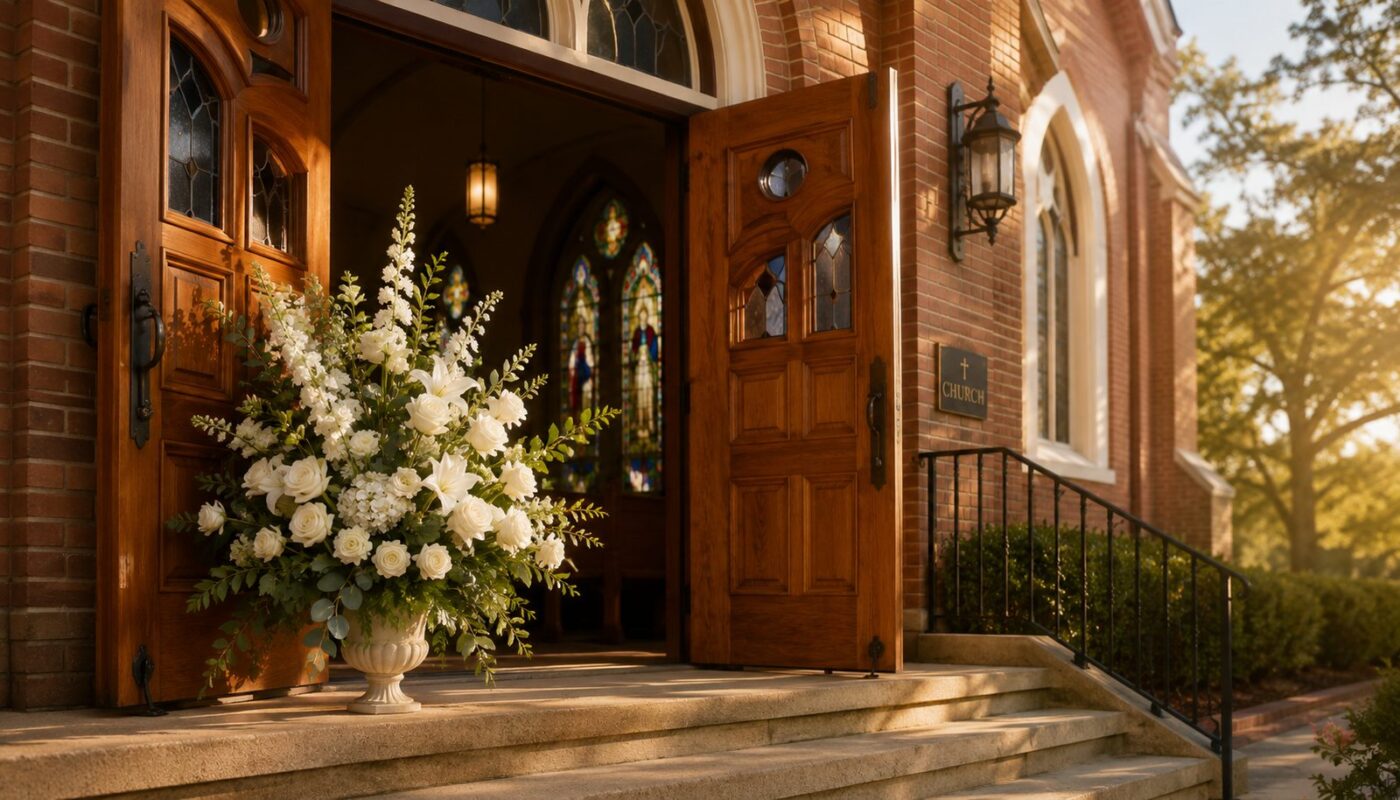
African American funeral traditions reflect a rich cultural heritage blending African spiritual practices, Christian faith, and the unique historical experience of Black Americans. These customs transform funerals into powerful celebrations of life, expressions of community solidarity, and affirmations of faith that death is not an ending but a homegoing—a return to God and reunion with ancestors.
This guide explores African American funeral customs, their historical roots, and their contemporary expression, helping families honor these meaningful traditions and helping others participate respectfully in Black funeral services.
Historical Roots of African American Funeral Traditions
African American funeral customs stem from multiple influences shaped by history and resilience.
African Heritage
Ancestral veneration: Many West African cultures maintained strong beliefs about ancestors’ continuing presence and influence, viewing death as transformation rather than ending.
Community mourning: African traditions emphasized collective grieving, with entire communities participating in extended funeral rites.
Music and celebration: African funerals often combined mourning with celebration, using music, dance, and ritual to honor the dead and comfort the living.
Spiritual beliefs: Concepts of the afterlife, spiritual journeys, and the interconnection between physical and spiritual worlds influenced how Africans approached death.
Slavery’s Impact
The brutal reality of slavery shaped African American death customs:
Forbidden practices: Enslaved Africans were often prohibited from practicing traditional funeral rites, forcing adaptation and creating new traditions.
Secret services: Enslaved people held clandestine funeral services in woods or at night, beyond slaveholders’ control.
Communal support: Slavery’s horrors created intense bonds among enslaved communities, with funerals becoming essential expressions of shared humanity and mutual care.
Spirituals and coded messages: Funeral songs and spirituals sometimes contained coded messages about freedom and resistance.
The Black Church
Central institution: After emancipation, the Black church became the cornerstone of African American community life, including death rituals.
Sacred space: Churches provided dignified settings for funeral services when other institutions excluded Black people.
Pastoral leadership: Black ministers offered spiritual comfort, community leadership, and advocacy for justice.
Gospel tradition: The Black church’s musical heritage—spirituals, gospel, hymns—shaped funeral music traditions.
The Great Migration
Northern movement: As millions of African Americans moved from South to North (1916-1970), funeral traditions evolved while maintaining core elements.
Urban adaptations: Funeral practices adapted to urban settings while preserving Southern and rural customs.
Regional variations: Different regions developed distinctive styles within shared traditions.
The Homegoing Service
African American funerals are often called “homegoing services,” reflecting the belief that death is the soul’s return home to God.
Theological Foundation
Heaven as home: The concept of heaven as the true home, with earthly life as temporary sojourn, shapes African American Christian theology.
Reunion: Death reunites the deceased with God, ancestors, and previously departed loved ones.
Victory over death: Christianity’s promise of resurrection and eternal life transforms funerals into victory celebrations despite grief.
Joy and sorrow: Homegoing services embrace both sorrow at earthly separation and joy at heavenly homecoming.
Church-Centered Services
The Black church typically hosts funeral services:
Sacred space: The church provides spiritual setting befitting the sacred occasion.
Pastor’s role: The pastor leads the service, delivers the eulogy or sermon, and offers pastoral comfort.
Congregation support: Church members rally around the bereaved family with presence, prayer, food, and practical help.
Musical tradition: Church choirs, musicians, and soloists provide powerful gospel music.
Elements of the Service
African American funeral services include distinctive elements.
Music
Music forms the emotional and spiritual heart of African American funerals:
Gospel songs: Powerful gospel music like “Precious Lord, Take My Hand,” “Amazing Grace,” and “His Eye Is on the Sparrow” offer comfort and celebration.
Spirituals: Historic spirituals like “Swing Low, Sweet Chariot” and “Were You There” connect to ancestral traditions.
Hymns: Traditional Protestant hymns beloved in Black churches.
Contemporary gospel: Modern gospel artists like Kirk Franklin, Yolanda Adams, or Tamela Mann may be featured.
Choir performance: Church choirs deliver moving musical tributes.
Congregational singing: The entire congregation joins in familiar songs, creating powerful communal expression.
Live musicians: Organists, pianists, drummers, and other musicians accompany singing.
The Eulogy and Sermon
Pastoral message: The pastor delivers a sermon about death, resurrection, eternal life, and the deceased’s journey home.
Biographical tribute: Detailed recounting of the deceased’s life, character, accomplishments, and impact on community and family.
Biblical grounding: Scripture readings and theological reflection on death and eternal life.
Call to salvation: Many services include an invitation for mourners to accept Christ, viewing the funeral as evangelistic opportunity.
Extended length: African American funeral sermons often extend 20-45 minutes or longer, providing thorough spiritual reflection and tribute.
Personal Tributes
Family remarks: Multiple family members share memories, stories, and tributes.
Friends and community: Extended time for various people to offer remembrances.
Obituary reading: Detailed reading of the printed obituary documenting the person’s entire life.
Resolutions: Organizations, churches, or community groups may present formal resolutions honoring the deceased.
Extended tributes: African American funerals allocate significant time for personal sharing, sometimes 45-60 minutes or more.
Congregational Participation
Responsive worship: Congregants respond vocally during the service with “Amen,” “Yes, Lord,” “Hallelujah,” and other affirmations.
Call and response: Preachers and singers use call-and-response patterns rooted in African tradition.
Emotional expression: Crying, wailing, shouting, and physical expressions of grief are accepted and supported.
Standing ovations: Powerful musical performances or moving tributes may receive spontaneous applause.
The Repast
The repast (post-funeral meal) holds deep significance in African American tradition.
Purpose and Meaning
Community gathering: The repast brings family and community together to share food and fellowship after the service.
Comfort food: Soul food and traditional dishes provide physical comfort and cultural connection.
Storytelling: Informal atmosphere allows extended family and friends to share memories and stories.
Support network: The gathering demonstrates community commitment to supporting the bereaved family.
Traditional Foods
Common repast foods include: – Fried chicken – Macaroni and cheese – Collard greens – Sweet potatoes – Cornbread – Potato salad – Deviled eggs – Cakes and pies – Sweet tea or lemonade
Church or Community Hall
Location: Repasts typically occur at church fellowship halls or community centers.
Church members: Church members often prepare and serve food, demonstrating care for the grieving family.
Extended duration: Repasts may last several hours as people visit, eat, and share fellowship.
Burial and Cemetery Customs
African American burial practices blend tradition with practical considerations.
Traditional Preferences
Earth burial: Historically, African Americans predominantly chose burial over cremation, though this is changing.
Family plots: Many families maintain family cemetery sections where multiple generations are buried together.
Grave decoration: Elaborate flower arrangements, photos, and personal items decorate graves.
Headstones: Detailed headstones documenting life, achievements, and often including photos.
Cemetery Service
Graveside prayers: Brief service at the cemetery with final prayers and committal.
Flower arrangements: Abundant flowers, often with specific meanings or from particular groups.
Military honors: For veterans, military honors including flag folding, rifle salute, and presentation of flag to family.
Personal items: Some families place personal items in the casket—favorite hat, Bible, photos, symbolic objects.
Viewing and Visitation
Extended wake: Viewing hours may span multiple days, allowing extensive community visitation.
Open casket: Open casket viewings are traditional, allowing mourners to see the deceased one final time.
Elaborate preparations: Significant attention to the deceased’s appearance, clothing, hair, and makeup ensures they look their best.
Multiple locations: Some families hold viewings at both funeral home and church.
Processional viewing: At the funeral, congregation members may process past the open casket for final viewing before the service begins.
Regional and Denominational Variations
African American funeral traditions vary by region and religious denomination.
Southern Traditions
Longer services: Southern Black funerals often extend 2-3 hours or more.
More emotional expression: Traditional Southern services embrace intense emotional displays.
Community involvement: Smaller Southern communities see extensive community participation.
Rural cemeteries: Family burial plots on family land remain important in rural South.
Northern Urban Practices
Streamlined services: Urban Northern services sometimes run shorter (though still longer than typical white funerals).
Funeral home prominence: Greater reliance on professional funeral homes.
Diverse influences: Northern Black communities blend traditions from various Southern regions.
Denominational Differences
Baptist: Emphasis on preaching, congregational singing, and emotional expression.
African Methodist Episcopal (AME): Formal liturgy balanced with emotional engagement.
Church of God in Christ (COGIC): Pentecostal expression with spirited worship and celebration.
Historically Black colleges/churches: Middle-class Black churches may have more formal services.
Contemporary Evolution
African American funeral traditions continue evolving while honoring roots.
Modern Adaptations
Cremation increase: Younger generations increasingly choose cremation for environmental and cost reasons.
Celebration of life: Some families emphasize joyful life celebration over traditional mourning.
Multimedia: Video tributes, photo montages, and social media integration.
Personalization: Reflecting the deceased’s unique personality, hobbies, and passions.
Professional videos: Live-streaming services for distant relatives and recording for family archives.
Maintaining Core Elements
Despite changes, essential elements persist: – Church-centered services – Gospel music and powerful singing – Extended eulogies and tributes – Community gathering and support – Repast meals – Emotional expressiveness
Jazz Funerals (New Orleans Tradition)
New Orleans African American community developed unique “jazz funeral” tradition:
Second line: After somber church service, the procession transforms into joyful celebration with brass band, dancing, and umbrella waving.
Musical journey: Slow dirges to cemetery, upbeat jazz celebrating life on return.
Community participation: Onlookers join the “second line” dancing behind the main procession.
Cultural symbol: Jazz funerals symbolize New Orleans culture and African American resilience, turning mourning into celebration.
Attending African American Funerals
Friends and colleagues from other backgrounds can participate respectfully:
What to wear: Conservative dark clothing. Black is traditional and appropriate.
Church etiquette: Arrive on time, silence phones, and be prepared for an extended service (2-3 hours).
Emotional expression: Don’t be surprised by vocal responses, emotional displays, or intense grief expressions—these are cultural norms.
Music participation: Stand during songs, though you need not sing if unfamiliar with gospel music.
Repast attendance: If invited, attending the repast shows support and respect.
Offering condolences: Simple, sincere expressions of sympathy are appreciated.
Respect customs: Follow the family’s lead regarding viewing the body, participating in rituals, or other customs.
The Resilience and Beauty of Black Funeral Traditions
African American funeral customs represent triumph over adversity—transforming the pain of slavery, segregation, and ongoing injustice into beautiful expressions of faith, community, and hope. These traditions affirm human dignity, celebrate life fully, and proclaim that death cannot defeat love, faith, or community.
The power of African American funerals lies in their honest embrace of both sorrow and joy, their centering of community support, and their unwavering faith that this life, however difficult, leads to something better—a true homegoing.
Serving African American Families at Monte Vista
Monte Vista Memorial Gardens serves Bay Area African American families with understanding of Black funeral traditions and respect for their cultural and spiritual significance. We work closely with Black churches, pastors, and funeral directors to facilitate meaningful homegoing services that honor both Christian faith and African American cultural heritage.
Our team can help coordinate extended services with appropriate venues that support gospel music traditions and welcome the emotional expressiveness central to African American funerals. Whether your family maintains traditional Southern customs or adapts practices to contemporary urban life, Monte Vista provides respectful, culturally sensitive support.
We understand the importance of community gathering, the significance of the repast, and the value of creating space where African American families can mourn, celebrate, and honor their loved ones authentically.
Key Takeaways
Understanding African American funeral traditions reveals powerful expressions of faith and community:
-
Homegoing celebration: Death is viewed as the soul’s victorious return home to God, transforming funerals into celebrations of faith.
-
Gospel music: Powerful gospel songs, spirituals, and hymns provide emotional and spiritual foundation.
-
Extended services: 2-3 hour services with multiple tributes, lengthy sermons, and ample music reflect the value placed on honoring the deceased fully.
-
Community support: The Black church and community rally around bereaved families with presence, food, and ongoing care.
-
Cultural resilience: African American funeral traditions embody historical resilience, maintaining dignity and hope despite centuries of oppression.
Honoring African American Traditions with Respect
African American families throughout the Bay Area trust Monte Vista to facilitate homegoing services that honor their faith, cultural heritage, and community traditions. Our commitment to cultural competence ensures meaningful, authentic ceremonies that celebrate life and affirm eternal hope.
Call 510-299-1174 to discuss African American funeral arrangements, or speak with your pastor about coordinating homegoing services at Monte Vista Memorial Gardens.