
Montevista | Buddhist Funeral Ceremonies: Traditions Across Different Schools
Buddhist Funeral Ceremonies: Traditions Across Different Schools


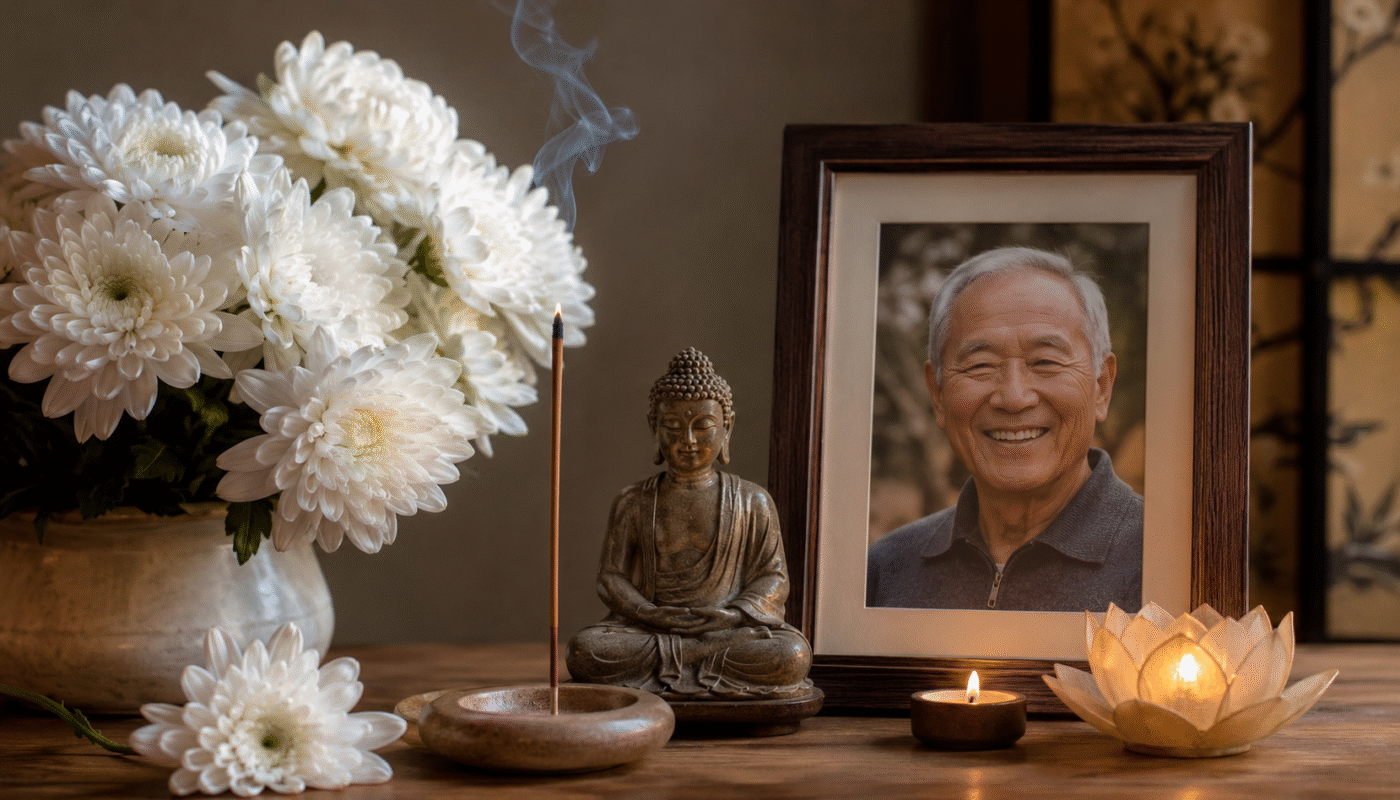
Buddhist funeral ceremonies reflect profound teachings about impermanence, compassion, and the cycle of rebirth. While practices vary widely across Buddhist traditions and cultures, all Buddhist funerals share common purposes: supporting the deceased’s transition to the next life, generating merit on their behalf, and helping the living confront the reality of death with wisdom and equanimity.
This guide explores Buddhist funeral customs across the major traditions—Theravada, Mahayana, and Vajrayana—helping families understand these meaningful practices and plan ceremonies that honor both their loved one and the dharma (Buddhist teachings).
Buddhist Beliefs About Death and Rebirth
Understanding Buddhist funeral practices requires insight into Buddhist teachings about death, impermanence, and the cycle of existence.
The Nature of Death in Buddhist Teaching
Buddhism teaches that death is not an ending but a transition. According to Buddhist philosophy, consciousness continues after the body dies, moving into an intermediate state (called bardo in Tibetan traditions) before taking rebirth according to one’s karma (the consequences of past actions).
Impermanence (anicca) is one of Buddhism’s fundamental truths. All things—including life itself—are temporary and constantly changing. Recognizing impermanence helps practitioners live with wisdom and accept death as a natural part of existence.
Non-self (anatta) teaches that there is no permanent, unchanging soul. What we experience as “self” is actually a constantly changing stream of consciousness that continues from life to life until liberation (nirvana) is achieved.
Karma and rebirth determine what happens after death. The quality of one’s thoughts, words, and actions throughout life creates karma that influences the circumstances of rebirth. Buddhist funeral practices aim to generate positive karma and support the deceased’s consciousness during transition.
The Importance of the Dying Process
In Buddhist practice, the moments surrounding death are considered especially important. The state of mind at death influences the quality of rebirth, making the dying process a critical spiritual opportunity.
Traditional Buddhist practices around death include:
Peaceful environment: Creating a calm, quiet atmosphere helps the dying person maintain mindful awareness rather than experiencing fear or agitation.
Spiritual support: Monks, family members, or spiritual friends may chant, recite prayers, or offer reminders of dharma teachings to help the dying person maintain positive mental states.
Minimal intervention: Some Buddhist traditions discourage heavy sedation or medical interventions that cloud consciousness, preferring that the person remain aware during the transition (when medically possible and appropriate).
Time with the body: Many Buddhist traditions believe consciousness may linger in or near the body for hours or even days after clinical death. For this reason, the body is treated with respect and often left undisturbed for a period before preparation.
Preparing the Body for Buddhist Funeral Rites
Buddhist traditions approach body preparation with varying customs, balancing respect for the deceased with practical and religious considerations.
Initial Care After Death
Immediately after death, Buddhist practice typically involves:
Minimal disturbance: The body may be left untouched for several hours (or longer in some traditions) to allow consciousness to fully depart. During this time, monks or family members may sit with the body, chanting prayers and mantras.
Gentle handling: When the body is moved or prepared, it is handled calmly and respectfully, avoiding rough treatment that might disturb the consciousness if still present.
Positioning: In some traditions, the body is positioned in a specific way—such as lying on the right side (the sleeping position of the Buddha) or with hands folded in prayer.
Washing and Dressing
When the appropriate time has passed, the body is prepared for the funeral:
Ritual washing: Family members or funeral professionals wash the body, often while reciting prayers or mantras. This act combines practical preparation with spiritual purification.
Dress: The deceased may be dressed in everyday clothing, special ceremonial garments, or simple white clothing depending on tradition. Monks or nuns are dressed in their robes. Lay practitioners in some traditions wear white as a symbol of purity.
Casket or shroud: The body is placed in a simple casket or wrapped in cloth. Buddhist practice generally favors simplicity, though cultural variations exist.
Open Casket or Closed
Practices vary by tradition:
Theravada traditions (Thai, Sri Lankan, Burmese) often feature open caskets so mourners can pay respects directly to the deceased, often placing flowers, incense, or offerings near the body.
East Asian Mahayana traditions (Chinese, Japanese, Korean, Vietnamese) may have open or closed caskets depending on cultural customs and family preference.
Tibetan Vajrayana traditions historically practiced sky burial (body left for vultures) or cremation, but families outside Tibet typically follow local customs regarding viewing.
The Buddhist Funeral Ceremony
Buddhist funeral ceremonies center on chanting, prayer, and practices that generate merit for the deceased and provide spiritual support during their transition.
Core Elements of Buddhist Funerals
While specific practices vary, most Buddhist funerals include:
Altar setup: An altar displays a photograph of the deceased, candles, incense, flowers, and offerings such as fruit or tea. A Buddha image is often present, reminding attendees of the path to enlightenment.
Chanting: Monks or lay practitioners chant sutras (Buddhist scriptures), dharani (protective verses), or mantras. The sound and spiritual power of chanting is believed to benefit the deceased’s consciousness and generate merit.
Prayers and teachings: Monks may offer dharma talks about impermanence, karma, and rebirth, helping mourners understand death within Buddhist philosophy while providing comfort.
Merit dedication: Attendees perform meritorious acts—such as giving offerings, observing precepts, or practicing generosity—and dedicate the spiritual merit to the deceased to support their positive rebirth.
Offering incense and flowers: Mourners approach the altar to offer incense and flowers, bow to the Buddha, and pay respects to the deceased. This ritual acknowledges impermanence (flowers wilt, incense burns away) while generating merit.
Duration and Timing
Buddhist funerals vary in length:
Single ceremony: Some families hold one funeral service lasting 1-3 hours, followed by cremation or burial.
Multi-day ceremonies: Traditional practices in some cultures include ceremonies on multiple days—commonly the 3rd, 7th, 49th, and 100th days after death, marking important transitions in the consciousness’s journey.
Cremation timing: Cremation may occur soon after death or several days later, depending on tradition and practical circumstances. The timing often holds religious significance related to the deceased’s consciousness journey.
Theravada Buddhist Funeral Traditions
Theravada Buddhism, practiced primarily in Thailand, Sri Lanka, Myanmar, Cambodia, and Laos, follows practices closely aligned with early Buddhist teachings.
Theravada Funeral Structure
Chanting sessions: Monks chant protective verses (parittas) and sutras in Pali, the language of the earliest Buddhist scriptures. Commonly chanted texts include the Metta Sutta (on loving-kindness) and Dhammapada verses.
Sermon: A senior monk typically delivers a dharma talk addressing impermanence and offering spiritual guidance to mourners.
Dana (generosity): The family makes offerings to monks—food, robes, or donations—generating merit that is dedicated to the deceased. This act of generosity creates positive karma benefiting both the deceased and the living.
Water pouring ceremony: In Thai and other Southeast Asian traditions, family members pour water from a vessel while monks chant, symbolizing the transfer of merit to the deceased. The overflow represents abundance of merit flowing to benefit the deceased.
Cremation: Cremation is standard in Theravada countries. The cremation may occur shortly after the funeral or several days later, often with monks present to chant.
Cultural Variations in Theravada Practice
Thai Buddhist funerals often include elaborate flower displays, multi-day ceremonies, and distinctive white cremation structures called “sala” near temples.
Sri Lankan traditions may include bathing the body with coconut water and offering betel leaves, reflecting local cultural customs integrated with Buddhist practice.
Burmese funerals often feature communal meals and extended periods of monks chanting throughout the night before cremation.
Mahayana Buddhist Funeral Traditions
Mahayana Buddhism, practiced in China, Japan, Korea, Vietnam, and Tibet, developed additional teachings and practices beyond early Buddhism.
East Asian Mahayana Practices
Chinese Buddhist funerals combine Buddhist practices with Confucian ancestor veneration:
- Chanting of Amitabha Buddha’s name to help the deceased reach the Pure Land (Mahayana heaven realm)
- Paper offerings burned to provide for the deceased in the afterlife
- White clothing for mourners (white symbolizes mourning in Chinese culture)
- 49-day mourning period with ceremonies every 7 days marking the consciousness’s journey
Japanese Buddhist funerals reflect centuries of Buddhist influence on Japanese culture:
- Posthumous Buddhist names (kaimyo) given by monks, providing spiritual protection
- Incense offering by all attendees, who approach the altar individually
- Sutra chanting specific to the deceased’s Buddhist school (Pure Land, Zen, Nichiren, etc.)
- Use of juzu (prayer beads) during the ceremony
- Cremation nearly universal in Japan, with family members using chopsticks to place bones in the urn
Korean Buddhist funerals blend Buddhist ritual with Confucian elements:
- 49-day mourning period with weekly ceremonies
- Chanting of Amitabha Buddha’s name and key sutras
- Ancestor tablets and memorial practices
- Often includes shamanic elements alongside Buddhist rituals
Vietnamese Buddhist funerals combine Mahayana Buddhism with ancestor veneration:
- Extended chanting sessions by monks
- Elaborate altars with food offerings and incense
- Traditional clothing for mourners
- Ceremonies on specific days (3rd, 7th, 49th, 100th day anniversaries)
Pure Land Buddhist Emphasis
Many East Asian Buddhist traditions emphasize Pure Land practices:
Reciting “Namo Amitabha Buddha”: Calling upon Amitabha Buddha (Amitābha in Sanskrit, Amituofo in Chinese, Amida in Japanese) to help the deceased be reborn in the Pure Land, a realm conducive to achieving enlightenment.
Pure Land sutras: Chanting scriptures describing the Pure Land and how to be reborn there through faith and practice.
Merit dedication: All meritorious activities are dedicated to help the deceased achieve Pure Land rebirth.
Vajrayana (Tibetan) Buddhist Funeral Traditions
Tibetan Buddhism developed elaborate practices around death and dying, documented most famously in the Tibetan Book of the Dead (Bardo Thodol).
The Bardo Teachings
Vajrayana Buddhism teaches that after death, consciousness passes through the bardo—an intermediate state lasting up to 49 days before rebirth. The bardo has three phases:
Chikai bardo: The moment of death, when the clear light of reality appears. A practitioner who recognizes this light can achieve liberation.
Chonyid bardo: The appearance of various peaceful and wrathful deity visions, representing aspects of the deceased’s mind. Recognition brings liberation; confusion leads to rebirth.
Sidpa bardo: The consciousness seeks rebirth, drawn by karma to parents conceiving a child matching their karmic patterns.
Tibetan Funeral Practices
Powa (consciousness transference): Lamas (Tibetan teachers) perform rituals to guide the deceased’s consciousness to a fortunate rebirth or liberation.
Reading the Bardo Thodol: Monks read instructions to the deceased’s consciousness, guiding them through the bardo experiences and reminding them to recognize visions as projections of their own mind.
Continuous mantras: Mantras—especially “Om Mani Padme Hum” (the mantra of compassion)—are chanted constantly to protect and guide the deceased.
Ceremonies every seven days: Rituals mark each week of the 49-day bardo period, culminating in a ceremony on the 49th day when rebirth is believed to occur.
Traditional body practices: Historically, Tibetan Buddhism practiced sky burial (body left for vultures, seen as a final act of generosity) or cremation. Outside Tibet, families typically follow local customs.
Cremation in Buddhist Practice
Cremation is the most common Buddhist funeral practice worldwide, though not universally required by Buddhist teaching.
The Significance of Cremation
Buddhism favors cremation for several reasons:
Following the Buddha’s example: After Buddha’s death, his body was cremated and relics distributed to his followers.
Impermanence teaching: Cremation dramatically illustrates impermanence, the Buddhist truth that all things are temporary.
Non-attachment: Cremation symbolizes releasing attachment to the physical form, recognizing the body as a temporary vessel.
Practical considerations: In hot climates where Buddhism originated, cremation was practical and hygienic.
The Cremation Ceremony
Buddhist cremation often includes:
Procession: The casket is carried or driven to the crematorium, often with monks leading and chanting.
Final prayers: Before cremation, monks perform final chanting and prayers.
Lighting the fire: In traditional cremations, a family member may light the funeral pyre. Modern crematoriums replicate this symbolically with a button or switch.
Bone collection: In some East Asian traditions, family members gather bone fragments from the ashes using special chopsticks, placing them in an urn in a prescribed order.
Ashes: Cremated remains may be placed in an urn at a columbarium, buried, scattered in nature, or divided among family members—depending on tradition and family preference.
Mourning and Memorial Practices
Buddhist mourning combines personal grief with spiritual practices that benefit both the deceased and the living.
The 49-Day Period
Many Buddhist traditions emphasize the 49 days following death:
Weekly ceremonies: Ceremonies on the 7th, 14th, 21st, 28th, 35th, 42nd, and 49th days support the deceased through bardo transitions.
Continued chanting: Family members may recite sutras daily, dedicating merit to the deceased.
Abstinence from celebrations: The family refrains from celebrations and may observe additional precepts during this period.
White clothing: In many Asian cultures, mourners wear white or subdued colors during the mourning period.
Ongoing Memorial Practices
After the 49-day period, ongoing remembrance includes:
100-day ceremony: A significant memorial marking approximately 100 days after death.
First-year anniversary: Major ceremony on the first anniversary of death.
Annual remembrance: Annual ceremonies honoring the deceased, particularly during festivals like Ullambana (Hungry Ghost Festival) or Obon (Japanese Buddhist festival honoring ancestors).
Altar maintenance: Family altars may display the deceased’s photo, incense, and offerings permanently or during memorial occasions.
Grief in Buddhist Context
Buddhism approaches grief with both compassion and wisdom:
Grief is natural: Buddhist teaching acknowledges that grief is a natural human response to loss and should not be suppressed.
Meditation and practice: Buddhist meditation and mindfulness practices help mourners work with grief skillfully, observing painful emotions without being overwhelmed.
Impermanence reflection: Understanding impermanence helps mourners accept loss as part of life’s nature, though this doesn’t eliminate pain.
Community support: Sangha (Buddhist community) provides support through shared practice, teaching, and presence during difficult times.
Serving Buddhist Families at Monte Vista
Monte Vista Memorial Gardens welcomes Bay Area Buddhist families across all traditions—Theravada, Mahayana, and Vajrayana. We understand the importance of flexibility for multi-day observances and can work with families to coordinate burial arrangements that align with Buddhist values.
Our team can help coordinate with Buddhist temples, teachers, and outside venues to support traditional practices while meeting practical requirements. We work respectfully with families to ensure burial and interment align with your tradition’s customs.
Whether your family observes Thai Theravada customs, Chinese Pure Land practices, Japanese Zen traditions, Vietnamese Buddhist ceremonies, or Tibetan Vajrayana rituals, Monte Vista provides knowledgeable support without pressure or judgment.
Key Takeaways
Understanding Buddhist funeral ceremonies helps families honor their traditions meaningfully:
-
Death as transition: Buddhist teaching sees death not as ending but as transition to rebirth, making funeral practices vital spiritual support.
-
Chanting and merit: Chanting sutras and performing meritorious deeds generate positive karma dedicated to benefit the deceased.
-
Tradition diversity: Practices vary significantly across Theravada, Mahayana, and Vajrayana schools, with additional cultural variations.
-
Cremation emphasis: Most Buddhist traditions favor cremation, following the Buddha’s example and illustrating impermanence.
-
Extended mourning: The 49-day period marks important transitions, with ceremonies supporting the deceased’s journey to rebirth.
Honoring Buddhist Traditions with Understanding
Buddhist families throughout the Bay Area trust Monte Vista to support burial arrangements that honor dharma teachings and cultural traditions. Our team understands the diversity of Buddhist practice and works respectfully with families, monks, and teachers to coordinate meaningful ceremonies.
Call 510-299-1174 to discuss Buddhist burial arrangements, or coordinate with your temple or teacher about services at Monte Vista Memorial Gardens.