
Montevista | Aquamation: Water Cremation Explained
Aquamation: Water Cremation Explained


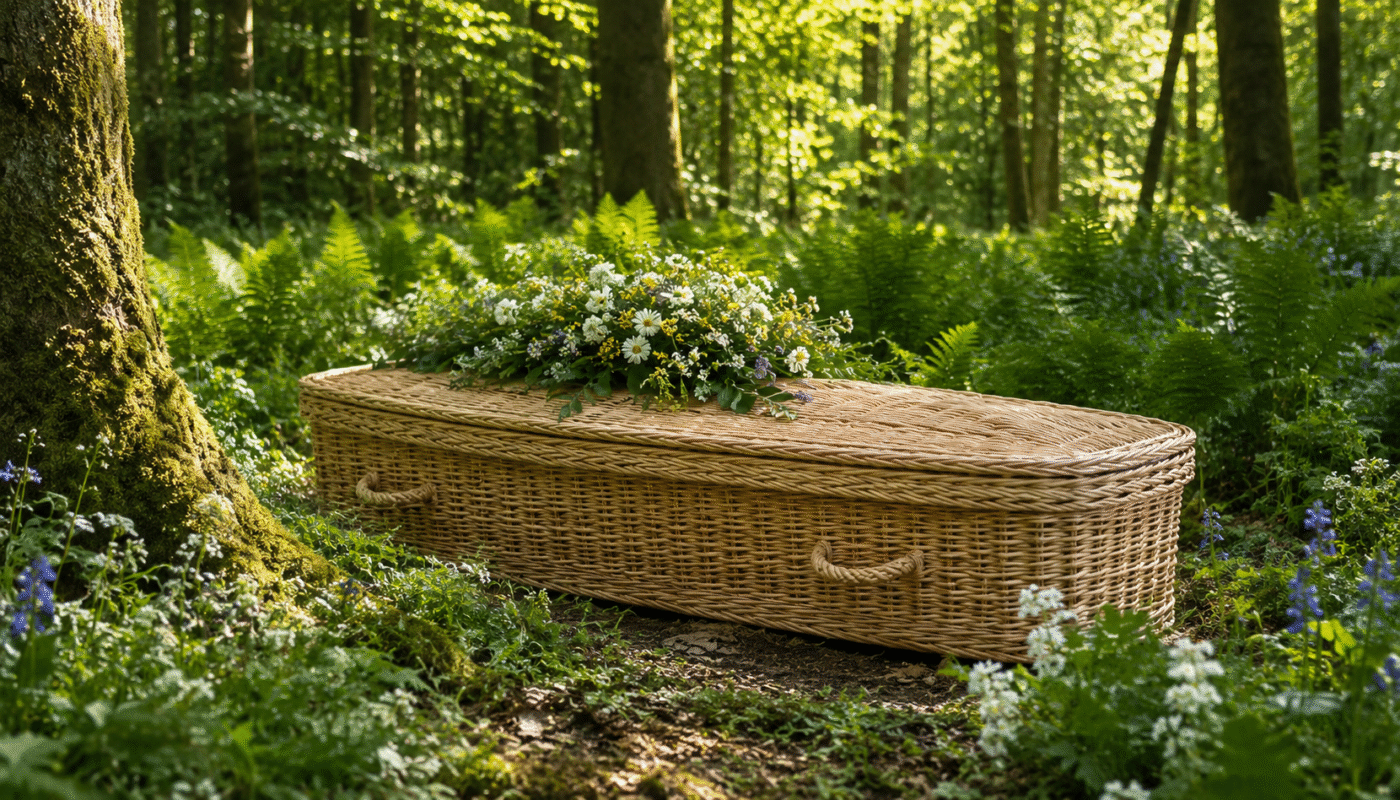
Aquamation, also called water cremation or alkaline hydrolysis, is an eco-friendly alternative to flame-based cremation that uses water and alkali solution to gently reduce the body to bone fragments. The process uses 90% less energy than flame cremation, produces no direct emissions, and results in 20% more remains for families.
This guide explains how aquamation works, its environmental benefits, how it compares to flame cremation and burial, costs, and availability in California.
What Is Aquamation?
The Scientific Process
Aquamation uses a combination of water, alkali solution (potassium hydroxide or sodium hydroxide), gentle heat, and pressure to accelerate the natural decomposition process.
The process: 1. Body is placed in a stainless steel vessel 2. Vessel is filled with water and alkali solution (95% water, 5% alkali) 3. Temperature is raised to 200-300°F 4. Gentle pressure is applied 5. Process takes 3-16 hours depending on system 6. Body tissues dissolve naturally 7. Only bone fragments remain 8. Remains are dried, processed to fine powder, and returned to family
Scientific term: Alkaline hydrolysis
Common names: Aquamation, water cremation, flameless cremation, bio-cremation, resomation
What Happens to the Body
The process mimics natural decomposition that would occur in soil, but accelerated:
Soft tissues: Dissolve into basic organic compounds (amino acids, peptides, sugars, salts)
Bones: Remain intact, just like flame cremation
The liquid: Contains dissolved organic material (sterile, non-toxic)
Medical devices: Removed (pacemakers, artificial joints, etc.) just like flame cremation
How Long It Takes
Standard aquamation: 3-6 hours for most adults
Larger individuals: Up to 16 hours
Flame cremation comparison: 2-3 hours
Aquamation takes longer but uses far less energy overall.
How Aquamation Compares to Flame Cremation
Environmental Impact
Aquamation: – Uses 90% less energy – Produces zero direct emissions – No fossil fuel combustion – No mercury release (from dental fillings) – Wastewater is sterile, pH-neutral, can be safely processed
Flame Cremation: – Uses significant natural gas or propane – Produces CO2 emissions (400-600 lbs per cremation) – Burns at 1,400-1,800°F – Can release mercury from dental fillings – Contributes to air pollution
Environmental winner: Aquamation significantly more eco-friendly
The Remains
Aquamation produces: – 20% more bone remains (about 5-7 lbs for adults) – Whiter, purer appearance – Slightly different texture (described as softer, smoother) – Completely sterile
Flame cremation produces: – About 4-6 lbs of bone fragments for adults – Gray-white to brownish color – Coarser texture – Sterile
For families: Both result in cremated remains that can be kept, scattered, or buried. Appearance differs slightly but serves the same purposes.
The Process Experience
Aquamation: – Gentler process using water – Many people find the concept more comforting – “Returning to water” resonates spiritually for some – No burning or flames
Flame Cremation: – High heat and fire – More familiar to most people – Traditional approach
Personal preference and comfort level matter most here.
Cost
Aquamation: $2,000-$3,500 typically
Flame Cremation: $1,000-$2,500 typically
Difference: Aquamation costs $500-$1,500 more due to newer technology and limited availability.
As aquamation becomes more common, costs should decrease.
Legality and Availability
Aquamation: – Legal in California and 28 states (as of 2025) – Growing availability but still limited – Requires special equipment – Not all funeral homes offer it
Flame Cremation: – Legal everywhere in U.S. – Widely available – Nearly all funeral homes offer it
Availability: Flame cremation still much more accessible
Environmental Benefits of Aquamation
Energy Use
Aquamation: 1/10 the energy of flame cremation – Uses electricity for heating water to 200-300°F – Much less energy than heating to 1,400-1,800°F
Carbon footprint: Approximately 90% lower than flame cremation
No Emissions
Aquamation: No direct air emissions – No smoke, particulates, or gases released – Process is completely contained
Flame cremation: Releases significant emissions – CO2 (400-600 lbs per cremation) – Mercury from dental fillings – Other particulates
Water Usage and Treatment
Aquamation uses: 300-400 gallons of water
This may sound like a lot, but: – Water is recycled and treated – Treated wastewater is sterile and safe – Much smaller environmental impact than cremation emissions
Resulting liquid: – Sterile, non-toxic – Contains dissolved amino acids and minerals – Can be safely released to wastewater system – Some families choose to use it as fertilizer (legal in some places)
Mercury Concerns
Dental amalgam fillings contain mercury. With flame cremation, mercury can be released into the atmosphere.
Aquamation: Mercury is not vaporized; it remains with the bone material and can be filtered out.
Environmental benefit: Prevents mercury pollution
Who Chooses Aquamation?
People drawn to aquamation typically value:
Environmental sustainability: Want the most eco-friendly option possible
Gentleness: Prefer water-based process to burning
Energy conservation: Care about reducing energy use
Spiritual connection to water: “Returning to water” feels meaningful
Innovation: Early adopters of new sustainable technologies
Is Aquamation Legal in California?
Yes. California legalized aquamation (alkaline hydrolysis) in 2017.
The process is regulated like flame cremation with similar requirements and protections for consumers.
Aquamation Availability in the Bay Area
Aquamation is growing but still limited in the Bay Area.
Finding providers: – Not all funeral homes offer aquamation – Some partner with facilities that provide aquamation – Transportation to aquamation facility may be required
Growing availability: More facilities are adding aquamation as demand increases.
Check specifically: Call funeral homes to ask if they offer aquamation or can coordinate it.
The Aquamation Process: What Families Experience
Before Aquamation
1. Family arrangements: – Meet with funeral home just like flame cremation – Sign authorization forms – Discuss urn or container for remains
2. Optional viewing: – Families can view the body before aquamation if desired – Body preparation similar to flame cremation
3. Medical device removal: – Pacemakers and other devices removed – Same precaution as with flame cremation
During Aquamation
Process time: 3-16 hours depending on size
Families typically leave: Like flame cremation, families don’t remain during the process
Some facilities offer witness option: You can observe the process beginning if desired
After Aquamation
1. Remains processing: – Bone fragments are dried – Processed to fine powder – Placed in urn or container
2. Return to family: – Timeline similar to flame cremation (1-2 weeks typical) – Remains look slightly different but serve same purpose
3. What you receive: – 20% more remains than flame cremation – Whiter, purer appearance – In selected urn or temporary container
What You Can Do with Aquamated Remains
Everything you can do with flame-cremated remains: – Keep in urn at home – Bury in cemetery – Place in columbarium niche – Scatter in meaningful location – Divide among family members – Create memorial jewelry – Mix with soil/plantings
Aquamated remains function identically to flame-cremated remains.
Aquamation and Religion
Most religious traditions that accept flame cremation also accept aquamation.
Catholic Church: Approved water cremation as acceptable
Protestant denominations: Generally accept it
Jewish tradition: Orthodox generally prohibits all cremation; Conservative and Reform vary
Islamic tradition: Generally prohibits cremation of any type
Hindu tradition: Fire cremation traditional; water cremation may not align
Check with your faith leader for guidance specific to your tradition.
Cost Breakdown
Aquamation service: $1,500-$2,500
Funeral home services: $500-$1,500
Urn or container: $100-$500
Death certificates: $50-$100
Optional memorial service: $500-$2,000
Total: $2,000-$5,000 typically
Compared to: – Flame cremation: $1,500-$4,000 – Green burial: $2,000-$8,000 – Traditional burial: $7,000-$15,000
Common Questions About Aquamation
Is aquamation respectful? Yes. The process is dignified and gentle, treating the body with care throughout.
What does the body look like after? Only bone fragments remain, just like flame cremation.
Is it safe? Completely safe. The process has been used for decades in medical and veterinary applications.
Can I have a viewing or service? Yes. Services can be held before aquamation, just like flame cremation.
How long until I get the remains? Typically 1-2 weeks, similar to flame cremation.
Can I be present? Some facilities allow families to witness the beginning of the process; ask your provider.
What happens to dental work and implants? Removed and respectfully disposed of, like flame cremation.
Aquamation vs. Green Burial
Both are environmentally friendly options:
Aquamation benefits: – Takes less land than burial – Remains portable (can be scattered or moved) – Generally less expensive than green burial – Available in more locations
Green burial benefits: – Most natural process (actual decomposition in earth) – Body nourishes soil and supports ecosystem – Traditional grave site for visiting – No energy use
Choice depends on: Your values, budget, whether you want a grave site, and availability.
The Future of Aquamation
Growing adoption: More funeral homes adding aquamation services
Decreasing costs: As technology becomes more common, prices should drop
Legal expansion: More states legalizing the practice
Public awareness: Education leading to increased acceptance
Innovation: Technology improvements making process more efficient
Aquamation is likely to become increasingly common as a mainstream cremation alternative.
Key Takeaways
Aquamation provides eco-friendly alternative to flame cremation:
- Uses 90% less energy than flame cremation
- Produces zero direct emissions and no air pollution
- Results in 20% more remains with whiter, purer appearance
- Legal in California since 2017
- Costs $500-$1,500 more than flame cremation but prices decreasing
- Growing availability in Bay Area though still limited
- Environmentally superior to flame cremation while serving the same purpose
For families seeking the most environmentally responsible cremation option, aquamation offers significant advantages.
Aquamation Information at Monte Vista Memorial Gardens
Monte Vista can provide information about aquamation and coordinate with providers who offer water cremation services. We help families understand all environmentally conscious options including aquamation, green burial, and traditional services.
Call 510-299-1174 to discuss aquamation and other eco-friendly options for your family’s needs.