
Montevista | Coping with Grief During the Holidays: Strategies for Navigating Loss
Coping with Grief During the Holidays: Strategies for Navigating Loss


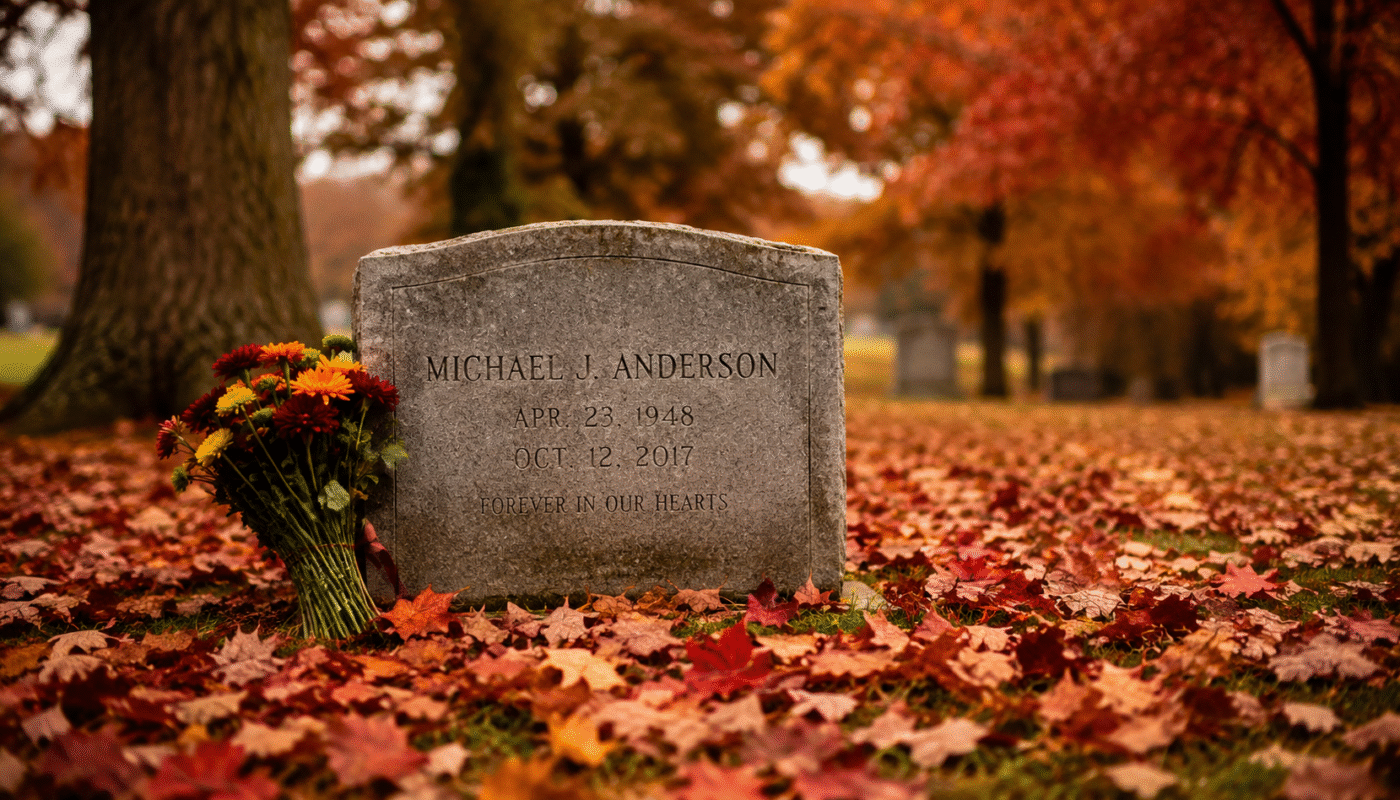
The holidays can be one of the most challenging times when you’re grieving. What once brought joy now carries the sharp pain of absence. Family gatherings, familiar traditions, and the cultural pressure to be cheerful can make an already difficult grief journey feel overwhelming.
If you’re facing your first holiday season after loss, or finding that grief resurfaces during this time of year, please know your feelings are valid. There is no “right” way to navigate the holidays while grieving, and you don’t have to force yourself into celebrations that feel wrong.
This guide offers compassionate strategies for managing grief during the holiday season. You’ll learn how to honor your loved one, care for yourself, and make choices that feel authentic to your experience while respecting your own healing timeline.
Why the Holidays Are So Difficult When Grieving
The holiday season intensifies grief for several reasons. Understanding why this time feels harder can help you prepare and be gentler with yourself.
Traditions and Memories
Every holiday tradition carries memories. The empty chair at the table, the voice missing from carol singing, the gift you won’t buy this year—each absence is a fresh reminder of your loss. Traditions that once brought comfort now highlight what’s changed forever.
Social Expectations
Society expects joy during the holidays. Well-meaning friends ask about your plans with cheerful anticipation. Stores play upbeat music. Social media fills with happy family photos. When you’re grieving, this cultural mandate to be merry can feel alienating and exhausting.
Anniversary Reactions
If your loved one died during the holiday season, this time of year may trigger powerful anniversary reactions. Even if the death occurred at a different time, the holidays mark another milestone without them—another year that’s passed, another celebration they’ve missed.
Family Dynamics
Grief affects every family member differently. Some want to maintain all traditions exactly as they were. Others need to change everything. These different coping styles can create tension when you’re already emotionally vulnerable.
Sensory Triggers
Holiday sights, sounds, and smells are powerful triggers. A familiar song, a specific scent, or a decoration your loved one cherished can unleash unexpected waves of emotion in public places or during family gatherings.
Give Yourself Permission to Grieve Differently
The most important strategy for navigating holiday grief is releasing expectations—both your own and others’.
You Don’t Have to Celebrate
If participating in celebrations feels wrong this year, you have permission to skip them. Saying no to holiday parties, family gatherings, or traditional events is a valid choice. Protecting your emotional well-being is not selfish.
Your Grief Timeline Is Your Own
There’s no schedule for grief. Some people feel ready to engage with holidays after several months. Others need years before celebrations feel bearable. Neither approach is right or wrong. Trust your own instincts about what you can handle.
Mixed Emotions Are Normal
You might feel sadness and joy in the same moment—laughing at a memory while tears run down your face. You might enjoy parts of the day while feeling guilty for experiencing pleasure. These contradictions are part of grief, not signs you’re doing something wrong.
Say No Without Explanation
You don’t owe anyone a detailed explanation for declining invitations. “I’m not up for it this year, but thank you for understanding” is sufficient. True friends will respect your boundaries without pressing for details.
Strategies for Managing Holiday Grief
These practical strategies can help you navigate the season with more ease and less emotional overwhelm.
Plan Ahead
Decide in advance which events you’ll attend and which you’ll skip. Having a plan reduces the anxiety of making decisions in the moment and gives you control over your holiday experience.
Create an exit strategy for gatherings you do attend. Know how you’ll leave early if you need to. Park your own car, arrange for a friend to pick you up, or plan a signal with your partner that means “I need to go now.”
Modify Traditions Thoughtfully
You don’t have to do everything exactly as before, and you don’t have to abandon every tradition either. Consider which traditions feel meaningful and which feel too painful this year.
Tradition modifications might include: – Changing the location of gatherings – Celebrating on a different day – Scaling down—smaller meals, fewer decorations – Including new elements that honor your loved one – Delegating tasks that feel too difficult
Create New Ways to Honor Your Loved One
Many people find comfort in creating deliberate remembrance practices during the holidays.
Meaningful remembrance ideas: – Light a candle in their memory during gatherings – Set a place at the table with their photo – Make their favorite dish or dessert – Donate to a cause they cared about in their name – Create an ornament or decoration in their honor – Share stories and memories during family time – Visit their resting place on a specific day
These rituals acknowledge the absence while keeping your loved one’s memory present.
Set Boundaries with Family and Friends
Communicate your needs clearly to family members. If you don’t want the loss mentioned, say so. If you need people to talk about your loved one, express that too. Most people want to support you but don’t know what you need unless you tell them.
Be specific about what helps and what doesn’t. Instead of “please be understanding,” try “please don’t ask me about holiday plans” or “I’d appreciate it if you’d include me in conversations about memories of Dad.”
Build in Self-Care
The holidays are emotionally exhausting when you’re grieving. Prioritize rest, nutrition, and activities that replenish you.
Self-care during the holidays might include: – Taking breaks from gatherings to step outside or find quiet space – Limiting alcohol, which can intensify emotions – Maintaining sleep routines even when schedules are disrupted – Scheduling downtime between events – Saying yes only to what truly matters – Keeping up with exercise or movement that helps you – Having a support person on call when emotions feel overwhelming
Accept Help
When people ask “What can I do?” give them specific tasks. “Could you pick up groceries for me?” or “Would you be willing to decorate my tree this year?” allows others to support you in concrete ways.
Accept offers to accompany you to events, handle holiday shopping, or take over tasks that feel too difficult. Receiving help isn’t weakness—it’s wise self-care during a vulnerable time.
Surviving Specific Holiday Challenges
Certain situations present particular difficulties when you’re grieving. Here’s how to approach them.
Holiday Shopping
Shopping can be emotionally triggering. You’re no longer buying for your loved one, yet stores are crowded with people happily selecting gifts. Consider:
- Shopping online to avoid crowds and emotional triggers
- Asking a friend to shop with you for support
- Spreading purchases over time instead of one overwhelming trip
- Skipping gift exchanges altogether if that feels right
Holiday Music and Media
Constant exposure to cheerful holiday music and movies can feel jarring when you’re sad. It’s fine to change the station, leave stores playing music, or skip holiday movies this year. Protect yourself from triggers you don’t have the energy to manage.
Social Media
Seeing others’ happy holiday posts can intensify your pain. Give yourself permission to take a break from social media during the holidays. You can temporarily unfollow accounts, mute keywords, or delete apps from your phone until January.
Workplace Holiday Events
Work parties and celebrations present unique challenges since you can’t skip them as easily. Strategies include:
- Attending briefly and leaving early
- Bringing a supportive colleague who knows your situation
- Volunteering to help with tasks that keep you busy
- Being honest with your supervisor about your limitations
Children and Holidays
If you’re a grieving parent trying to maintain holiday magic for children, the pressure is immense. Remember that children benefit more from an emotionally honest parent than perfect celebrations.
It’s healthy for children to see adults grieve. Including them in modified traditions or remembrance rituals teaches them that love continues after death. Seek support from other adults so you don’t carry the entire burden alone.
What to Do If Grief Overwhelms You
Even with good strategies, grief can overtake you during the holidays. If you find yourself in crisis:
In the Moment
- Remove yourself from the situation if possible
- Practice grounding techniques: name five things you see, four you hear, three you feel
- Call a trusted friend or family member
- Step outside for fresh air and a change of environment
- Remember that intense emotions pass—you won’t feel this way forever
If Grief Feels Unmanageable
Contact a grief counselor or therapist if you’re experiencing: – Thoughts of harming yourself – Inability to function in daily life for extended periods – Prolonged isolation or withdrawal – Substance use to cope with emotions – Physical symptoms that concern you
Professional support isn’t a sign of failure. It’s a resource for navigating one of life’s most difficult experiences.
Crisis resources: – National Suicide Prevention Lifeline: 988 – Crisis Text Line: Text HOME to 741741 – Your healthcare provider – Local grief support groups in the Bay Area
Looking Ahead: Holidays Get Easier
While it may not feel possible now, most people find that holiday grief becomes more manageable with time. The first holidays after loss are typically the hardest. Each subsequent year often brings more capacity to participate and even experience moments of joy.
Grief doesn’t disappear, but your relationship with it changes. You learn what helps, what to avoid, and how to honor both your sadness and your loved one’s memory. The holidays may never be the same as before, but they can become meaningful again in new ways.
You’re Not Alone in Holiday Grief
Millions of people are navigating the holidays while grieving. You’re not the only one finding celebrations difficult, feeling isolated at gatherings, or struggling with others’ expectations. The grief community is vast, and many people understand exactly what you’re experiencing.
Consider connecting with others who understand through grief support groups, online communities, or remembrance services held during the holiday season. Shared experience can ease the sense of isolation that holiday grief often brings.
Key Takeaways
Managing grief during the holidays requires intentionality, self-compassion, and the willingness to do things differently:
- Give yourself permission to celebrate differently, skip traditions, or opt out entirely
- Plan ahead for which events you’ll attend and how you’ll take care of yourself
- Modify traditions in ways that honor your loved one while respecting your emotional limits
- Set clear boundaries with family and friends about what you need
- Prioritize self-care even when schedules are busy and expectations are high
- Seek support from people who understand grief and can be present with your pain
The holidays won’t last forever. You will get through this season, one day at a time.
Finding Support at Monte Vista
Monte Vista Memorial Gardens understands the unique challenges of navigating grief during the holiday season. Our Bay Area community offers ongoing support for grieving families, not just at the time of loss but throughout the difficult milestones that follow.
Whether you’re facing your first holidays after loss or finding that grief resurfaces each year, you don’t have to face it alone. Our compassionate team can connect you with grief resources, support groups, and community remembrance services throughout the holiday season.
Call 510-299-1174 to learn about grief support resources available to Bay Area families, or visit us to find a peaceful place to remember and honor your loved one during the holidays.