
Montevista | First Christmas After Loss: Navigating the Holidays While Grieving
First Christmas After Loss: Navigating the Holidays While Grieving


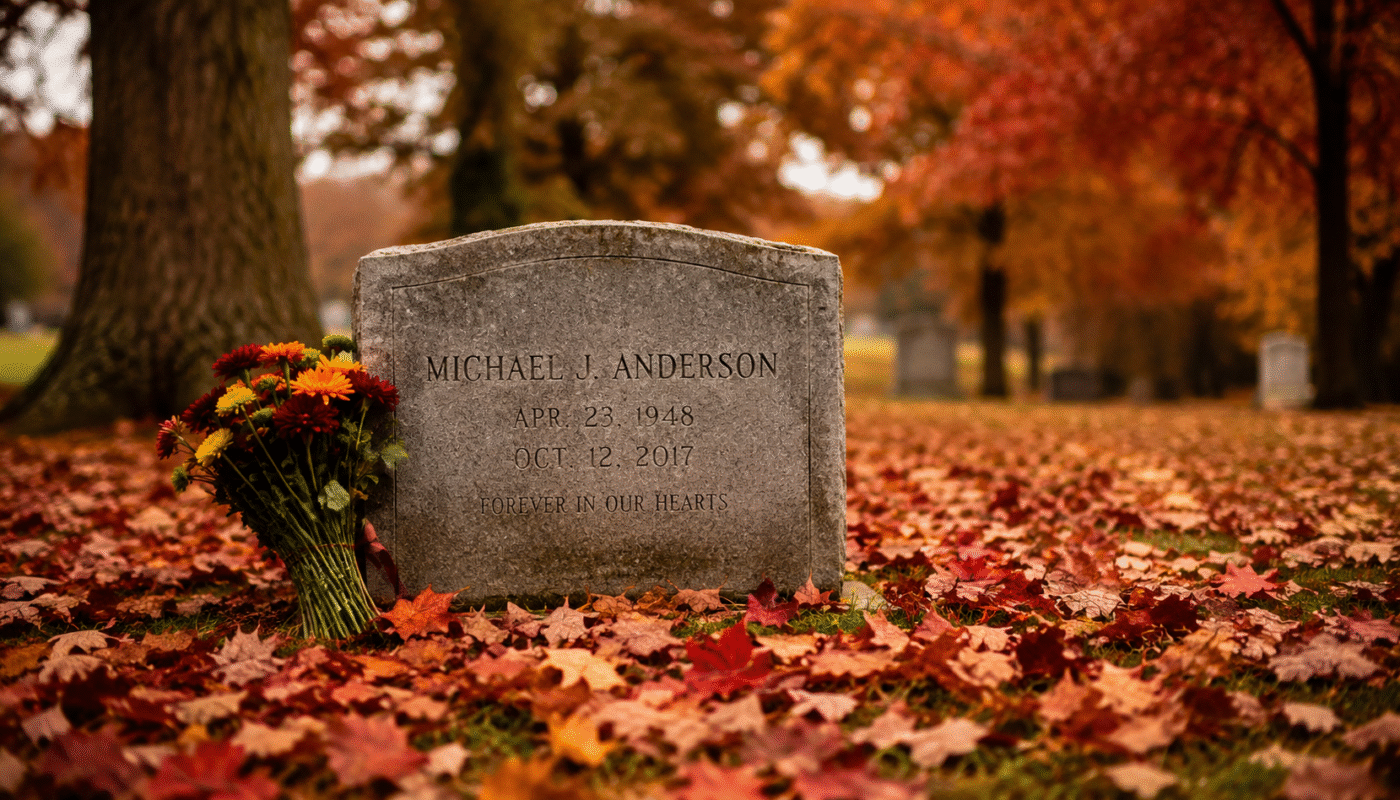
The first Christmas after losing someone you love can feel unbearable. Everything that once brought joy now amplifies your pain. The empty chair at the table, the stocking that won’t be hung, the gifts you won’t exchange—each absence cuts deeply.
If you’re dreading this Christmas, your feelings are completely valid. The first holiday season after loss is uniquely difficult. You’re not just missing your loved one; you’re facing every tradition, every memory, and every “first” without them.
This guide offers compassionate support for navigating your first Christmas while grieving. There’s no right way to do this, and you don’t have to meet anyone’s expectations—including your own. The goal is simply to survive this season with as much gentleness toward yourself as possible.
Why the First Christmas Is So Difficult
Understanding why this Christmas feels impossibly hard can help you be more compassionate with yourself.
The Weight of Firsts
Every “first” after loss carries particular pain. The first birthday, first anniversary, first holiday without them marks the painful reality that life continues even though they’re gone. The first Christmas may be the hardest first because it involves so many traditions, gatherings, and expectations compressed into a short period.
Memories Are Everywhere
Christmas is saturated with memory triggers. Every song, decoration, food, and tradition connects to past Christmases when your loved one was present. You can’t escape these reminders, and each one can unleash unexpected waves of grief.
Family Dynamics Under Pressure
Your family is grieving too, and everyone copes differently. Some want to maintain every tradition exactly as before. Others can’t bear to continue anything that reminds them of the loss. These different needs can create conflict when you’re all already emotionally fragile.
Cultural Pressure to Be Joyful
Christmas carries intense cultural expectations of joy, gratitude, and celebration. When you’re drowning in grief, this pressure to be happy feels alienating and exhausting. The disconnect between how you feel and how the world expects you to feel intensifies the pain.
Physical and Mental Exhaustion
Grief is exhausting on its own. Add the physical demands of the holiday season—shopping, cooking, decorating, attending events—and you have a recipe for complete depletion. Your energy for normal tasks is already compromised by grief; holiday demands can push you past your limits.
Give Yourself Permission to Do Christmas Differently
The most important gift you can give yourself this Christmas is permission to do whatever feels manageable, even if it looks nothing like Christmases past.
You Don’t Have to Celebrate
If celebrating Christmas feels wrong this year, you have permission to skip it. You can turn down invitations, leave town, or simply stay home quietly. Not celebrating doesn’t dishonor your loved one or mean you’re giving up on life. It means you’re honoring your grief.
Traditions Can Change or Pause
You don’t have to maintain every tradition this year. The Christmas Eve service you always attended, the elaborate meal you always cooked, the decorating ritual you always shared—all of these can be modified or skipped without guilt.
Traditions can be paused and resumed later, changed to fit your current capacity, or released entirely. What worked before may not work now, and that’s acceptable.
Small Choices Are Enough
If you put up a single small tree instead of decorating the entire house, that’s enough. If you buy gift cards instead of thoughtfully selected presents, that’s enough. If you make simple meals instead of elaborate feasts, that’s enough.
Lower your standards to match your capacity. You’re surviving grief during the holidays—that alone is an accomplishment.
Strategies for Managing Christmas Traditions
These approaches can help you navigate traditions with more intention and less pain.
Assess Each Tradition Individually
Don’t make blanket decisions about all traditions. Consider each one separately and ask: Does this feel meaningful or painful this year? Can I modify it? Who needs this tradition besides me?
Tradition categories: – Continue: Traditions that bring comfort or connection – Modify: Traditions you can adapt to be less painful – Skip this year: Traditions too associated with your loved one – Create new: Gentle new practices that honor your current reality
Delegate What You Can’t Handle
If certain traditions matter to others but feel too difficult for you, delegate them. Let someone else host Christmas dinner, organize gift exchanges, or coordinate family gatherings.
You can participate without being in charge. Your only job this Christmas is to take care of yourself.
Create New Remembrance Rituals
Many grieving people find comfort in creating specific ways to honor their loved one during Christmas.
Meaningful remembrance ideas: – Hang a special ornament in their memory – Light a candle during Christmas Eve or Christmas dinner – Set a place at the table with their photo – Prepare one of their favorite holiday foods – Display their stocking with others – Make a donation in their name instead of buying them a gift – Share favorite memories before opening presents – Visit their resting place on Christmas Eve or Christmas Day
These rituals acknowledge the absence while keeping their memory present.
Handling Specific Christmas Challenges
Certain aspects of Christmas present particular difficulties during grief. Here’s how to approach them.
Christmas Shopping
Shopping for everyone except the person you’ve lost is painful. Every store visit reminds you they won’t receive gifts this year.
Shopping strategies: – Shop online to avoid crowds and emotional triggers – Ask a friend to shop with you for support – Use the money you would have spent on them for a memorial donation – Skip elaborate gift-giving this year and give simple tokens instead – Buy something they would have loved and donate it
Decorating
Decorating can be emotionally overwhelming, particularly if you decorated together or if certain decorations are strongly associated with your loved one.
Decorating approaches: – Decorate minimally—a small tree or a few key items – Ask friends to help so you’re not alone with memories – Skip decorations entirely this year – Display only ornaments or items that bring comfort – Create a small memorial display instead of traditional decorations – Let someone else decorate your home if that helps
Christmas Music
Constant Christmas music in stores and on the radio can be triggering, especially if certain songs have strong associations with your loved one.
Managing music triggers: – Change the station or leave stores playing triggering music – Listen to non-Christmas music in your car – Skip events centered around Christmas music – Create a playlist of less emotionally charged holiday music if you want some – Use noise-canceling headphones in public spaces
Family Gatherings
Family gatherings center around the painful reality of who’s missing. Everyone’s grief collides, and different coping styles can create tension.
Gathering survival strategies: – Arrive late and leave early to limit exposure – Have an exit plan and don’t feel guilty using it – Bring a support person who understands your grief – Set boundaries about discussing the deceased (or insisting on discussing them, depending on your needs) – Skip gatherings entirely if they feel too overwhelming – Host a smaller, modified gathering with only your closest support people
Christmas Eve and Christmas Day
The main days of Christmas can feel endlessly long when you’re grieving. Plan ahead for how you’ll get through them.
Day-by-day survival: – Schedule specific activities so the day has structure – Plan time alone if you need it – Accept invitations only if you truly want to go – Build in breaks and quiet time – Keep expectations minimal – Have crisis support numbers accessible – Remember that the day will end
If You Have Children
Balancing your grief with your children’s needs for holiday normalcy is one of the hardest challenges of the first Christmas after loss.
Children Need Honesty, Not Perfection
Your children don’t need perfect Christmas celebrations. They need an emotionally honest parent who models healthy grieving while still providing appropriate structure and security.
It’s healthy for children to see adults grieve. Witnessing your sadness while also seeing you take care of yourself teaches them that grief is natural and emotions can be managed.
Maintain Some Traditions for Children
While you might want to skip Christmas entirely, children often need some continuity. Consider maintaining a few key traditions that matter most to them while releasing the rest.
Child-focused priorities: – Basic traditions (tree, gifts, special meal) – Opportunities to remember the deceased – Honest conversations about grief – Permission to feel sad and happy in the same day – Age-appropriate inclusion in family decisions
Ask for Help
You don’t have to create Christmas magic alone while grieving. Ask friends and family to help with shopping, decorating, cooking, or entertaining children. Accept every offer of support.
Include Children in Remembrance
Create age-appropriate ways for children to honor the deceased during Christmas. This validates their grief and maintains connection to their loved one.
Child-friendly remembrance: – Making ornaments in memory of the deceased – Writing letters or drawing pictures – Lighting candles together – Sharing favorite memories – Looking at photos – Doing activities the deceased enjoyed with them
Taking Care of Yourself This Christmas
Self-care isn’t optional during your first Christmas without your loved one. It’s essential survival.
Lower All Expectations
Your only goal this Christmas is to survive it with as much gentleness toward yourself as possible. Everything else is optional.
Don’t expect yourself to feel joyful, grateful, or festive. Don’t force participation in activities that drain you. Don’t try to make everything normal for others at the expense of your wellbeing.
Protect Your Energy
Grief depletes energy. Holiday activities deplete energy. Combined, they can leave you completely empty. Protect your energy fiercely.
Energy protection strategies: – Say no to non-essential activities – Limit social commitments – Rest more than usual – Avoid people who deplete you – Skip events that don’t serve your healing – Take breaks from family when needed
Limit Alcohol
While it’s tempting to numb pain with alcohol during holiday gatherings, alcohol intensifies emotions and can lead to more intense grief episodes. Drink minimally or not at all to maintain emotional stability.
Stay Connected to Support
Don’t isolate completely during Christmas, even if you’re skipping celebrations. Stay connected to people who understand your grief and won’t pressure you to be different than you are.
Support connections: – Grief support groups (many meet during holidays) – Grief counselor or therapist – Close friends who’ve experienced loss – Online grief communities – Crisis hotlines if emotions become overwhelming
Have a Crisis Plan
Know what you’ll do if grief becomes overwhelming. Having a plan reduces anxiety about losing control.
Crisis planning includes: – Support people you can call any time – Grief counselor’s contact information – Crisis hotline numbers (988 for suicide prevention) – Physical activities that ground you (walking, breathing exercises) – Safe places you can go if you need to leave situations
What Others Can Do to Support You
If friends and family ask how to help, be specific about what would genuinely support you.
Helpful support includes: – Checking in without expecting you to be okay – Inviting you but accepting no without pressure – Acknowledging your loved one’s absence – Not telling you how you should feel or cope – Offering specific help (meals, shopping, childcare) – Being comfortable with your tears and sadness – Not pressuring you to participate in traditions
Unhelpful responses to avoid: – “They would want you to be happy” – “At least they’re not suffering” – “It’s been [timeframe], you should be moving on” – “Don’t cry, it’s Christmas” – “Think of what you still have to be grateful for” – Avoiding mentioning the deceased entirely
After Christmas: Moving Forward
When Christmas ends, you’ll have survived your first major holiday without your loved one. That’s significant, regardless of how you got through it.
There’s No Right Way to Have Done It
However you survived this Christmas—whether you maintained traditions, skipped everything, alternated between crying and numbness, or something else entirely—you did it the right way for you. Don’t second-guess your choices.
Next Year May Be Different
The second Christmas is often easier, though still difficult. You’ll know what to expect. You’ll have learned what helps and what doesn’t. You’ll have survived the worst first.
Some people find that subsequent Christmases slowly become more bearable. Others continue to find holidays difficult for years. Both experiences are normal.
Grief Continues Beyond Christmas
Remember that grief doesn’t pause after the holidays. Continue prioritizing self-care, maintaining support connections, and honoring your feelings as you move into the new year.
You’re Not Alone
Millions of people are facing their first Christmas without someone they love. You’re part of a vast, largely invisible community of grieving people trying to navigate impossible cultural expectations while their hearts are broken.
The grief community understands what you’re experiencing. Support groups, online communities, and grief counselors can connect you with others who truly understand the unique pain of the first Christmas after loss.
Finding Support at Monte Vista
Monte Vista Memorial Gardens recognizes that grief doesn’t end with funeral services. The first Christmas without your loved one is one of many difficult milestones you’ll navigate, and you don’t have to face them alone.
Our Bay Area community offers connections to grief support resources, including support groups, counseling referrals, and remembrance services during the holiday season. Many grieving families find comfort in visiting their loved one’s resting place during the holidays, and our grounds provide a place for quiet reflection.
Whether you need a quiet place to remember, resources for grief support, or simply want to talk to someone who understands the difficulty of holiday grief, Monte Vista is here for you.
Call 510-299-1174 to learn about grief support resources available to Bay Area families navigating their first holidays after loss. You don’t have to do this alone.