
Montevista | Día de los Muertos: History, Symbols, and Cultural Traditions
Día de los Muertos: History, Symbols, and Cultural Traditions


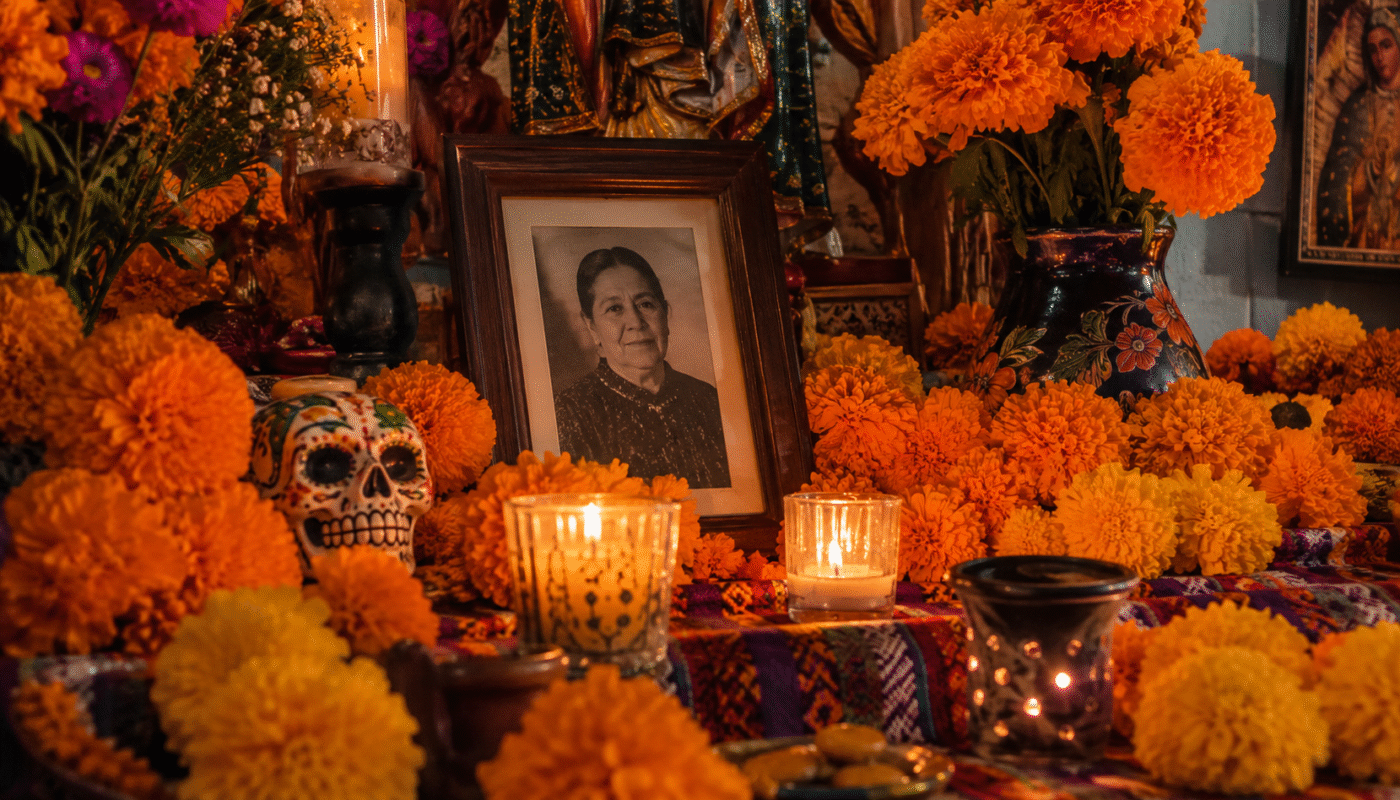
Día de los Muertos (Day of the Dead) is a vibrant Mexican tradition celebrating deceased loved ones annually on November 1-2, when families believe spirits return home for joyful reunion. Far from somber mourning, Día de los Muertos embraces death as natural part of life’s cycle, honoring ancestors through elaborate altars (ofrendas), favorite foods, marigold flowers, sugar skulls, cemetery visits, and celebrations welcoming spirits back for brief annual homecoming.
This indigenous Mesoamerican tradition, predating Spanish colonization by thousands of years, blends with Catholic All Saints’ Day and All Souls’ Day, creating unique cultural celebration that maintains connection between living and dead, teaches children about ancestors, and affirms that death doesn’t sever family bonds—loved ones remain present in memory, spirit, and annual reunion.
This guide explains Día de los Muertos origins, traditions, altar elements, celebration practices, and how to honor your deceased loved ones through this beautiful cultural observance.
In This Article: – Origins and History – November 1 and November 2 – Building an Ofrenda (Altar) – Symbolic Elements – Cemetery Visits – Food and Offerings – Celebrating Día de los Muertos – For Children and Families – Bay Area Celebrations – Key Takeaways
Origins and History
Día de los Muertos roots reach back thousands of years.
Pre-Columbian Origins
Indigenous traditions: – Aztec, Maya, and other Mesoamerican cultures – Month-long festivals honoring dead – Led by goddess Mictecacihuatl (Lady of the Dead) – Death viewed as continuation, not ending – Skulls displayed as symbols of death and rebirth
Cyclical view of life: – Death and life interconnected – Natural transition, not tragedy – Deceased remain part of community – Honored and remembered – Continue influencing living
Catholic Syncretism
Spanish colonization (1500s): – Spanish brought Catholicism – Tried to eliminate indigenous practices – Compromised by moving observance to Catholic dates – Blended with All Saints’ Day (November 1) and All Souls’ Day (November 2) – Created hybrid tradition
Modern observance: – Combines indigenous and Catholic elements – Celebrated throughout Mexico – Regional variations exist – Growing recognition worldwide – UNESCO Intangible Cultural Heritage (2008)
Philosophy
Core beliefs: – Death is natural, not frightening – Deceased aren’t gone but transformed – Annual return possible through remembrance – Living maintain responsibility to honor dead – Love transcends death
Not Halloween: – Completely different purpose – Not about scary or evil – Joyful, colorful, life-affirming – Honors real deceased family members – Sacred family tradition
November 1 and November 2
Two days with distinct purposes.
November 1: Día de los Inocentes
Honoring children: – Also called Día de los Angelitos (Day of Little Angels) – Deceased infants and children – Spirits arrive at midnight October 31 – Stay for 24 hours – Return to spirit realm midnight November 1
Altar elements for children: – Toys and games – Candy and sweets – Bright colors – Favorite foods (simple, child-appropriate) – Photos of deceased children – Lighter, more playful decorations
November 2: Día de los Muertos
Honoring adults: – Deceased adult family members – Spirits arrive midnight November 1 – Stay for 24 hours – Return to spirit realm midnight November 2
Altar elements for adults: – Deceased’s favorite foods – Alcoholic beverages (if they drank) – Cigars or cigarettes (if they smoked) – Personal items – Photos of adults – More elaborate offerings
All-Day and All-Night Observance
Continuous celebration: – Some families maintain vigil – 24-hour candles burn – Family comes and goes – Especially night of November 1-2 – Spirit presence felt
Building an Ofrenda (Altar)
The altar is centerpiece of Día de los Muertos.
Location and Structure
Where to build: – Central location in home – Visible, accessible – Quiet, respectful space – Sometimes bedroom or living room – Can build in cemetery
Structure: – Table or raised platform – Two or three levels common – Cloth covering (often decorated) – Represents levels of existence – Or simply decorated table
Essential Elements
Photos of deceased: – Central placement – All family members who have died – Individual or family photos – Honored position
Candles: – Votive candles (veladoras) – One for each deceased – Guide spirits home – Light the way – Keep burning continuously
Marigolds (Cempasúchil): – Bright orange flowers – Traditional flower of the dead – Scent guides spirits – Petals create path to altar – Vibrant color represents sun
Water: – Glass of fresh water – For thirsty spirits after journey – Represents life – Refreshment after travel
Salt: – Represents purification – Protects from corruption – Preserves soul – Traditional element
Incense (Copal): – Indigenous resin incense – Aromatic smoke guides spirits – Purifies area – Sacred scent – Or modern incense
Pan de Muerto: – “Bread of the Dead” – Special sweet bread – Round with bone-shaped decorations – Traditional offering – Consumed during celebration
Personal items: – Deceased’s belongings – Favorite objects – Hobbies represented – Meaningful possessions – Creates personal connection
Religious items: – Crosses (if Catholic) – Virgin of Guadalupe image – Saints – Prayer cards – Rosaries
Decorative Elements
Papel picado: – Colorful cut paper banners – Intricate designs – Represents wind and fragility of life – Festive decoration
Sugar skulls (Calaveras de azúcar): – Decorated candy skulls – Names written on foreheads – Colorful icing decoration – Represent specific deceased – Not scary but playful
Colorful decorations: – Bright, vibrant colors – Purple, orange, yellow, pink – Not somber black – Celebrates life – Festive atmosphere
Symbolic Elements
Each ofrenda element holds meaning.
The Four Elements
Earth: Food offerings Water: Glass of water for spirits Fire: Candles lighting the way Wind: Papel picado moving in breeze
Together create balance and welcome spirits.
Colors
Orange: Marigolds, sun, life Purple: Mourning (Catholic influence) Yellow: Sun, marigolds, light White: Purity, hope Pink: Joy, celebration Red: Life, blood
Levels of Altar
Two levels: – Earth and heaven – Living and dead – Physical and spiritual
Three levels: – Heaven, earth, underworld – Or past, present, future – Or childhood, adulthood, death
Seven levels: – Most traditional – Seven steps deceased must take to rest – Seven deadly sins – Complex symbolism
Cemetery Visits
Families gather at gravesites for vigils.
Preparing the Grave
Cleaning: – Weed and tidy grave – Wash headstone – Fresh paint if needed – Prepare for spirits’ arrival
Decorating: – Cover with marigolds – Arrange offerings – Light candles – Place photos – Personal items – Bright, festive appearance
Night Vigil
All-night presence: – Families spend night November 1-2 – At cemetery with deceased – Vigil welcoming spirits – Music and celebration – Stories and memories
Bringing food: – Picnic at graveside – Deceased’s favorite foods – Family feast – Sharing with deceased – Community atmosphere
Music: – Mariachi bands – Live music at cemetery – Singing and celebration – Deceased’s favorite songs – Joyful not somber
Community Gathering
Collective celebration: – Entire cemetery filled with families – Candles everywhere – Music throughout – Festive atmosphere – Community unity
Meeting other families: – Socializing with other mourners – Shared experience – Community bonds – Collective remembrance
Food and Offerings
Deceased’s favorite foods central to offerings.
Traditional Foods
Pan de Muerto: – Sweet egg bread – Round with bone shapes – Sugar or sesame topping – Consumed throughout celebration – Offered to deceased
Mole: – Complex traditional sauce – Labor-intensive showing love – Served with chicken or turkey – Special occasion food
Tamales: – Traditional wrapped corn masa – Time-consuming preparation – Shows devotion – Favorite comfort food
Fruits: – Oranges, apples, bananas – Tangerines common – Fresh seasonal fruit – Natural sweetness – Represents earth’s bounty
Sweets: – Candied pumpkin (calabaza en tacha) – Calaveras de azúcar (sugar skulls) – Chocolate – Deceased’s favorite candies
Personal Favorites
Individual preferences: – Deceased’s beloved dishes – Favorite snacks – Preferred beverages – Cigarettes or cigars (if they partook) – Alcohol (beer, tequila, mezcal) – Modern foods (chips, soda)
Preparation: – Cooked fresh for ofrenda – Best quality ingredients – Made with love – As deceased enjoyed – Aroma attracts spirits
Consumption
After celebration: – Family eats offerings – Spirits have absorbed essence – Physical food remains – Not wasted – Shared among living
Celebrating Día de los Muertos
Ways to observe beyond altar building.
At Home
Family gathering: – Extended family comes together – Share memories and stories – Look at old photos – Cook together – Maintain traditions
Prayers and reflection: – Say prayers for deceased – Share memories – Tell children about ancestors – Keep stories alive – Maintain connection
Leaving offerings overnight: – Set out altar evening of October 31 – Let spirits visit overnight – Don’t disturb until November 2 – Welcome and honor presence
Public Celebrations
Community events: – Many cities host festivals – Altar displays and contests – Music and dance performances – Face painting (skull designs) – Craft activities – Food vendors
Processions: – Parades with skull costumes – Catrina figures (elegant skeleton lady) – Music and dancing – Community participation – Festive atmosphere
Museums and cultural centers: – Educational exhibits – Traditional altars displayed – Workshops and demonstrations – Cultural preservation
Modern Adaptations
Social media: – Sharing altar photos – Digital remembrance – Connecting with distant family – Spreading awareness
Contemporary art: – Modern interpretations – Street art and murals – Gallery exhibitions – Cultural evolution
For Children and Families
Día de los Muertos teaches children about death and memory.
Educational Value
Death as natural: – Children learn death is part of life – Not scary when understood – Cultural acceptance – Healthy attitude toward mortality
Family history: – Learn about ancestors – Hear family stories – Connect to heritage – Multi-generational bonds
Child Participation
Age-appropriate activities: – Decorating sugar skulls – Making papel picado – Arranging flowers – Lighting candles (supervised) – Placing photos – Cooking traditional foods
Asking questions: – Encourage curiosity – Answer honestly – Share memories – Normalize discussion of death
Creating Memories
Annual tradition: – Children grow up with observance – Creates lasting memories – Maintains cultural connection – Becomes cherished family time – Passes to next generation
Bay Area Celebrations
Local Latino communities maintain traditions.
Public Events
Mission District, San Francisco: – Large community celebration – Procession and altar displays – Music and performances – Face painting and activities
Oakland: – Fruitvale neighborhood events – Community altars – Cultural programs – Family-friendly activities
San Jose: – Mexican Heritage Plaza celebrations – Traditional observances – Art exhibits – Musical performances
Museums and Cultural Centers
Mexican Museum: – Special exhibits – Educational programs – Traditional displays
Mission Cultural Center: – Community gatherings – Workshops – Cultural preservation
Participating
Non-Latino participation: – Learning and appreciation welcome – Respectful engagement encouraged – Not cultural appropriation when done respectfully – Attend public events – Learn the meaning and history
Building your own ofrenda: – Honor your deceased (any culture) – Adopt meaningful elements – Respect the tradition’s origins – Personal adaptation acceptable
Día de los Muertos at Monte Vista
Monte Vista Memorial Gardens welcomes families observing Día de los Muertos traditions, accommodating cemetery visits, grave decorating, and families gathering at gravesites to honor deceased loved ones. We understand the cultural importance of this annual observance and support families maintaining connection with ancestors.
Call 510-299-1174 to discuss visiting your loved one’s grave for Día de los Muertos.
Key Takeaways
Día de los Muertos celebrates life and maintains bonds with deceased:
-
Ancient Mesoamerican tradition blended with Catholicism observed November 1-2 when spirits return home for joyful annual reunion—not somber but celebratory.
-
November 1 honors deceased children (Día de los Inocentes), November 2 honors deceased adults—each day spirits visit for 24 hours.
-
Ofrendas (altars) include photos, candles (guide spirits), marigolds (cempasúchil), water, salt, incense, pan de muerto, personal items, and deceased’s favorite foods.
-
Symbolic elements represent four elements (earth, water, fire, wind), use vibrant colors (orange, purple, yellow, pink), and create path welcoming spirits home.
-
Cemetery visits involve cleaning graves, decorating with marigolds, all-night vigils, music, picnics at graveside—community celebrates together.
-
Traditional foods include pan de muerto, mole, tamales, fruits, sweets, and deceased’s personal favorites—spirits consume essence, living eat physical food.
-
Teaches children death is natural, connects them to ancestors, maintains family history, creates annual tradition—healthy cultural approach to mortality.
-
Bay Area public celebrations in Mission District, Oakland, San Jose offer community altars, processions, music, education—welcoming respectful participation.
Día de los Muertos affirms love transcends death, maintains family bonds across generations, and celebrates life through honoring those who lived before us.
Questions About Día de los Muertos Observance?
We welcome families honoring Día de los Muertos traditions at our cemetery, supporting cultural practices maintaining connection with deceased loved ones.
Call 510-299-1174 to learn about visiting graves for Día de los Muertos.