
Montevista | Día de los Muertos: Honoring the Dead in Mexican Tradition
Día de los Muertos: Honoring the Dead in Mexican Tradition


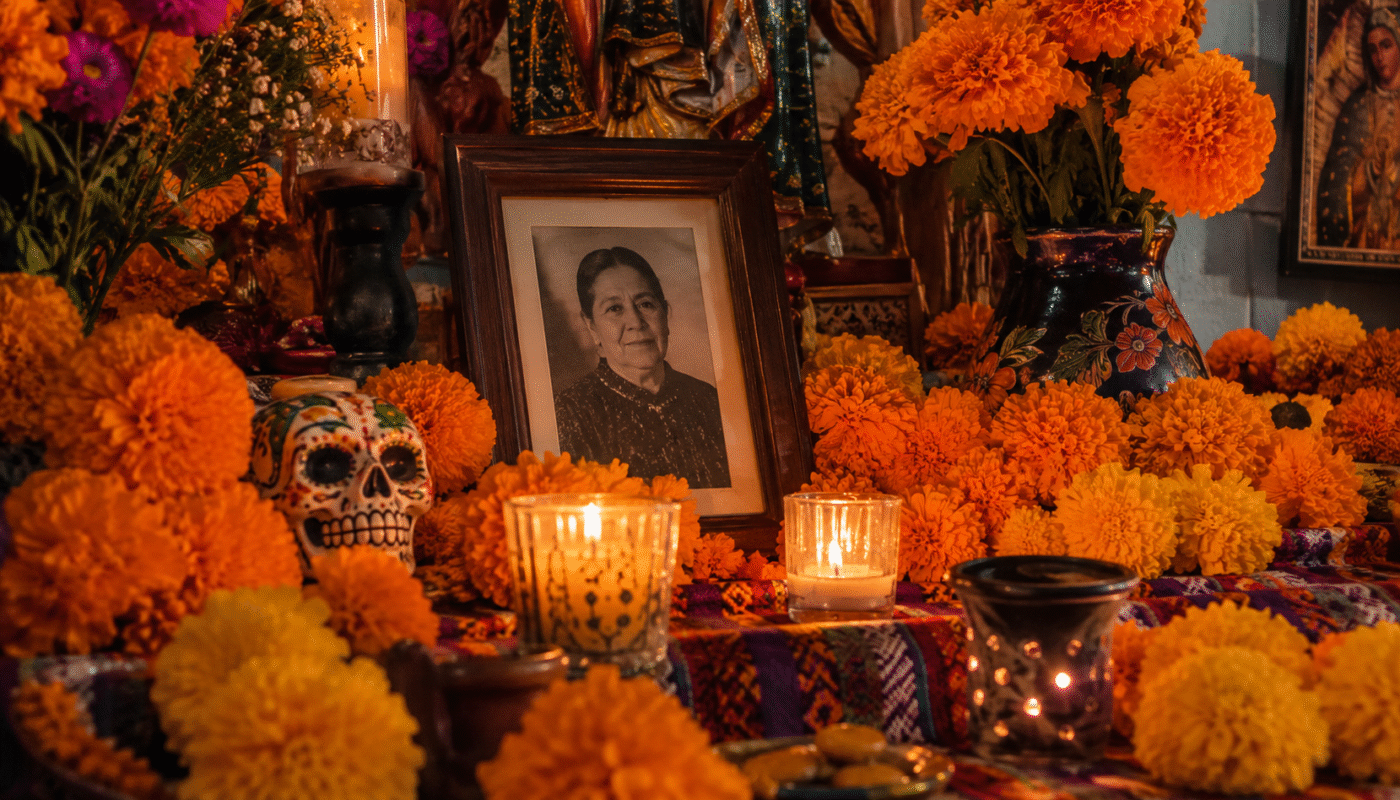
Día de los Muertos (Day of the Dead) is one of Mexico’s most sacred and joyful traditions, a multi-day celebration when families welcome the spirits of deceased loved ones back to the world of the living. Far from being somber or morbid, this vibrant holiday embraces death as a natural part of life and celebrates the continuing bonds between the living and the dead.
Observed primarily on November 1 and 2, Día de los Muertos combines indigenous Aztec traditions with Catholic influences, creating a unique cultural celebration that honors ancestors with love, food, music, and remembrance. The holiday has deep spiritual significance and reflects a worldview that sees death not as an ending but as another phase of existence.
This guide explores the beautiful traditions of Día de los Muertos, helping both Mexican families maintain ancestral practices and others who wish to understand and respectfully appreciate this meaningful celebration.
Understanding Día de los Muertos
Before exploring specific traditions, it’s important to understand what this holiday represents and what it is not.
What Día de los Muertos Celebrates
Día de los Muertos is based on the belief that on these special days, the veil between the living and dead becomes thin, allowing spirits to return and visit their families. Rather than mourning, families celebrate this reunion with joy, welcoming their loved ones home with favorite foods, music, and offerings.
The holiday reflects a distinctly Mexican relationship with death—acknowledging its inevitability while refusing to let it sever the bonds of love and family. Death is present but not feared, remembered but also laughed with through the playful imagery of dancing skeletons and sugar skulls.
Día de los Muertos Is NOT Halloween
Despite occurring near Halloween, Día de los Muertos is a completely separate tradition with different origins, meanings, and practices. While Halloween has Celtic roots and focuses on warding off evil spirits, Día de los Muertos welcomes beloved family spirits home with open arms.
The commercialization and conflation of these holidays can be frustrating for Mexican families who see their sacred tradition reduced to costume parties and decorations. Día de los Muertos deserves recognition as the profound cultural and spiritual observance it is.
The Relationship to All Saints’ Day and All Souls’ Day
When Spanish colonizers arrived in Mexico, they encountered indigenous traditions that already honored the dead. These practices merged with Catholic observances of All Saints’ Day (November 1) and All Souls’ Day (November 2), creating the modern Día de los Muertos celebration.
November 1 (Día de los Angelitos): Honors deceased children and infants November 2 (Día de los Muertos): Honors deceased adults
Some families begin celebrations on October 31, and festivities may continue for several days depending on regional customs.
The Ofrenda: Heart of the Celebration
The ofrenda (offering or altar) is the centerpiece of Día de los Muertos observance. This temporary altar welcomes spirits home and provides them with favorite items from their earthly life.
Building an Ofrenda
Ofrendas can be simple or elaborate, but all serve the same purpose: honoring the dead and welcoming their spirits home.
Essential ofrenda elements:
Photos of the deceased: Positioned prominently so spirits know they’re welcome and remembered
Candles (velas): Light the path for spirits returning home; traditionally one candle for each person being honored
Marigolds (cempasúchil): The traditional flower of the dead, whose bright color and strong scent guide spirits to the ofrenda
Water: Spirits are thirsty after their journey from the afterlife
Salt: Represents purification and ensures spirits return safely to the afterlife
Copal incense: The traditional incense whose smoke carries prayers to the spirit world
Pan de muerto: Special bread baked only for this occasion
Favorite foods and drinks: The deceased’s preferred meals, snacks, and beverages during life
Personal items: Objects that held significance—books, tools, instruments, awards, or other meaningful possessions
Papel picado: Colorful cut paper banners representing the fragility of life and the wind
Ofrenda Levels and Structure
Traditional ofrendas often have multiple tiers, each with symbolic meaning:
Two-tier ofrendas: Represent heaven and earth
Three-tier ofrendas: Add purgatory between heaven and earth
Seven-tier ofrendas: Represent the seven levels a soul must pass through to reach eternal rest
Many modern ofrendas are single-level, which is completely appropriate. What matters is the intention and love behind the offering, not elaborate construction.
Where to Place Your Ofrenda
Ofrendas are typically placed in the main living area of the home where family gathers. Some families create outdoor ofrendas if weather permits, or place smaller ofrendas in bedrooms or other significant spaces.
The ofrenda should be somewhere central to family life, reinforcing that the deceased remain part of the family even in death.
Traditional Foods of Día de los Muertos
Food is central to Día de los Muertos celebrations, both as offerings and as meals shared by living family members.
Pan de Muerto
This special sweet bread is baked only for Día de los Muertos. Its round shape represents the cycle of life and death, and the decorative bones on top symbolize the deceased. Families place pan de muerto on ofrendas and also enjoy it together, often dunked in hot chocolate or coffee.
Regional variations exist throughout Mexico, but all versions honor the same tradition of breaking bread in remembrance.
Sugar Skulls (Calaveras de Azúcar)
Decorated sugar skulls are iconic symbols of Día de los Muertos. These edible or decorative skulls are often personalized with the name of the deceased written across the forehead, then placed on the ofrenda.
The playful, colorful skull imagery represents the Mexican cultural attitude toward death—acknowledging its reality while refusing to be afraid of it. Death is personified as a skeleton who dances, plays music, and participates in life.
Traditional Dishes
Families prepare favorite foods of the deceased and place portions on the ofrenda. Common dishes include:
Mole: The complex, labor-intensive sauce represents the effort families make to honor their dead
Tamales: Traditional celebration food wrapped and steamed
Pozole: Hearty hominy stew
Atole: Warm corn-based beverage
Hot chocolate: Often paired with pan de muerto
Fruit: Especially oranges, whose bright color and segments symbolize earth and life
Candy and sweets: Particularly for children’s ofrendas
The food’s essence (smell and spirit) is consumed by visiting souls, while living family members eat the physical food after the spirits have departed.
Symbols and Decorations
Día de los Muertos is visually distinctive, with specific symbols carrying deep meaning.
Marigolds (Cempasúchil)
The vibrant orange marigold is the traditional flower of the dead. Its brilliant color represents the sun and life, while its strong scent helps guide spirits from the cemetery to family homes. Marigold petals are often scattered creating paths from doorways to ofrendas, directing spirits where to go.
Calaveras (Skulls)
Skull imagery appears everywhere during Día de los Muertos—made from sugar, clay, papier-mâché, or painted on faces. These colorful, decorated skulls celebrate rather than fear death, embodying the holiday’s philosophy that death is a natural part of existence.
La Catrina
The elegant skeleton lady in a fancy hat has become synonymous with Día de los Muertos. Originally created by artist José Guadalupe Posada as political satire, La Catrina has evolved into an icon representing that death comes for everyone, regardless of social class.
Papel Picado
Intricately cut tissue paper banners in vibrant colors decorate ofrendas and celebration spaces. The delicate cut-outs represent the fragility of life, and the way they move in the breeze symbolizes the spirits present among the living.
Monarch Butterflies
Monarch butterflies migrate to Mexico around Día de los Muertos, and many believe these butterflies carry the spirits of the deceased. Their arrival is seen as a sign that loved ones are returning home.
Cemetery Visits and Celebrations
Many families spend time at cemeteries during Día de los Muertos, cleaning gravesites and celebrating with the deceased in their final resting place.
Preparing Gravesites
In the days before Día de los Muertos, families visit cemeteries to: – Clean and repair headstones – Remove weeds and debris – Paint or touch up markers – Arrange fresh flowers, especially marigolds – Decorate with papel picado and candles
This preparation welcomes spirits back to their resting places and shows continuing care.
Overnight Cemetery Vigils
In many regions of Mexico, families spend the night of November 1-2 in cemeteries, holding vigil with their deceased. They bring: – Food and drinks to share – Blankets and chairs for comfort – Candles to light throughout the night – Music—mariachi bands often play in larger cemeteries – Stories and memories to share
These overnight gatherings transform cemeteries into places of community, celebration, and connection rather than sorrow.
Bay Area Cemetery Observances
While all-night cemetery vigils are less common in the United States due to cemetery regulations, many Bay Area cemeteries with significant Latino populations hold special Día de los Muertos events or extend visiting hours to accommodate families who wish to spend more time at gravesites during these sacred days.
Music, Dance, and Performance
Día de los Muertos includes lively music and performance, reinforcing that this is a celebration of life and ongoing connection, not a somber mourning period.
Traditional Music
Music connects the living and dead during Día de los Muertos celebrations. Families play: – Music the deceased enjoyed during life – Traditional Mexican folk music – Mariachi performances – Songs about death and remembrance
The sound of music is believed to attract spirits and make them feel welcome.
Calacas and Calaveras
Images of dancing skeletons (calacas) appear throughout Día de los Muertos celebrations. These playful skeletons engage in everyday activities—playing instruments, riding bikes, getting married—representing the belief that spirits remain active and engaged even after death.
How to Observe Día de los Muertos
Whether you have Mexican heritage or wish to honor a loved one through this beautiful tradition, these guidelines support authentic observance.
For Mexican Families
Maintaining Día de los Muertos traditions connects you to ancestral practices and keeps your culture alive for future generations.
Passing traditions to children: – Involve them in creating ofrendas – Teach them about each element’s significance – Share family stories and history – Prepare traditional foods together – Visit cemeteries as a family – Explain the spiritual beliefs underlying practices
Even simplified versions of traditions maintain cultural connection. Don’t worry about achieving perfection—intention and love matter most.
For Non-Mexican Families
If you wish to honor a loved one through Día de los Muertos-inspired observance, approach it with cultural respect and humility.
Respectful participation includes: – Learning the true meaning and origins – Avoiding costume party or Halloween treatment – Using correct terminology – Honoring the spiritual and cultural significance – Not commercializing or trivializing sacred elements – Acknowledging this is an adoption of another culture’s practice
You might create a remembrance table inspired by ofrenda traditions while acknowledging it’s not a traditional ofrenda but rather your respectful adaptation.
Cultural Appreciation vs. Cultural Appropriation
The line between appreciation and appropriation requires awareness:
Appreciation involves respectfully learning about and honoring traditions with proper understanding and acknowledgment of their origins.
Appropriation takes elements of a culture without understanding, often for entertainment, profit, or aesthetic purposes while ignoring the deeper meaning.
If you’re not Mexican but wish to honor Día de los Muertos traditions, approach with humility, do thorough research, acknowledge the cultural source, and focus on the spiritual elements rather than superficial aesthetics.
Día de los Muertos in the Bay Area
The San Francisco Bay Area’s significant Latino population means vibrant Día de los Muertos celebrations occur throughout the region.
Public Celebrations and Events
Bay Area Día de los Muertos events include: – Oakland Museum of California’s annual Días de los Muertos celebration – San Francisco’s Mission District festivities – Community ofrenda displays in cultural centers – Processions and ceremonies in neighborhoods with Latino populations – Art exhibitions and educational programs – Cemetery observances at Bay Area memorial parks
These public celebrations offer opportunities to experience Día de los Muertos traditions, learn from Mexican community members, and honor the sacred nature of the holiday.
Creating Community
Día de los Muertos celebrates not just individual families but entire communities connected through shared remembrance. Public altars often include space for anyone to add photos and offerings, creating collective memorials that honor all the community’s losses.
The Spiritual Meaning: Death as Part of Life
At its deepest level, Día de los Muertos expresses a worldview that Western cultures often struggle with—the integration of death into life rather than its denial or avoidance.
Mexican Philosophy of Death
Traditional Mexican culture, influenced by indigenous beliefs, sees death as: – A natural transition, not an ending – Something to be acknowledged openly rather than hidden – Part of the continuous cycle of existence – Not severing family bonds and relationships
This philosophy allows for a more open, less fearful relationship with mortality and grief.
Continuing Bonds
Modern grief research has validated what Día de los Muertos has always understood: bonds with deceased loved ones don’t end at death. Healthy grieving includes maintaining connection to the deceased in ways that support ongoing life.
Día de los Muertos ritualizes this continuing bond, giving families explicit permission and structure to maintain relationships with their dead through annual reunion and remembrance.
Learning More and Participating Respectfully
If Día de los Muertos interests you, many resources offer deeper understanding:
Books, documentaries, and online resources from Mexican cultural organizations and scholars
Community events hosted by Latino cultural centers where you can learn from practitioners
Museum exhibitions that provide historical and cultural context
Conversations with Mexican friends and community members willing to share their traditions
Approach learning with respect, acknowledging this is sacred tradition with deep cultural and spiritual roots, not simply colorful festivities.
Honoring All Cultural Traditions at Monte Vista
Monte Vista Memorial Gardens serves Bay Area families from all cultural backgrounds with authentic understanding and respect for diverse traditions. Our Livermore location welcomes families observing Día de los Muertos and other cultural remembrance practices.
We recognize that different cultures approach death, burial, and remembrance in unique ways, each reflecting profound beliefs about life, death, and family bonds. Whether you’re seeking a burial plot that honors Mexican traditions or any other cultural practice, our team can work with families to meet those needs with respect for your heritage.
Many families find comfort in knowing their loved ones rest in a place that welcomes annual visits during Día de los Muertos and other significant remembrance dates. Our grounds provide space for families to honor their dead in ways that reflect their cultural values and spiritual beliefs.
For families planning ahead, we welcome conversations about how cultural traditions inform burial preferences. Pre-planning ensures your final arrangements reflect your heritage and values while easing the burden on your family.
Call 510-299-1174 to learn about how Monte Vista honors diverse cultural traditions, or to discuss burial plot options that respect your family’s heritage. We serve Bay Area families with cultural competence, dignity, and genuine respect for all traditions.