
Montevista | Home Funerals: Legal Requirements and Planning Guide
Home Funerals: Legal Requirements and Planning Guide


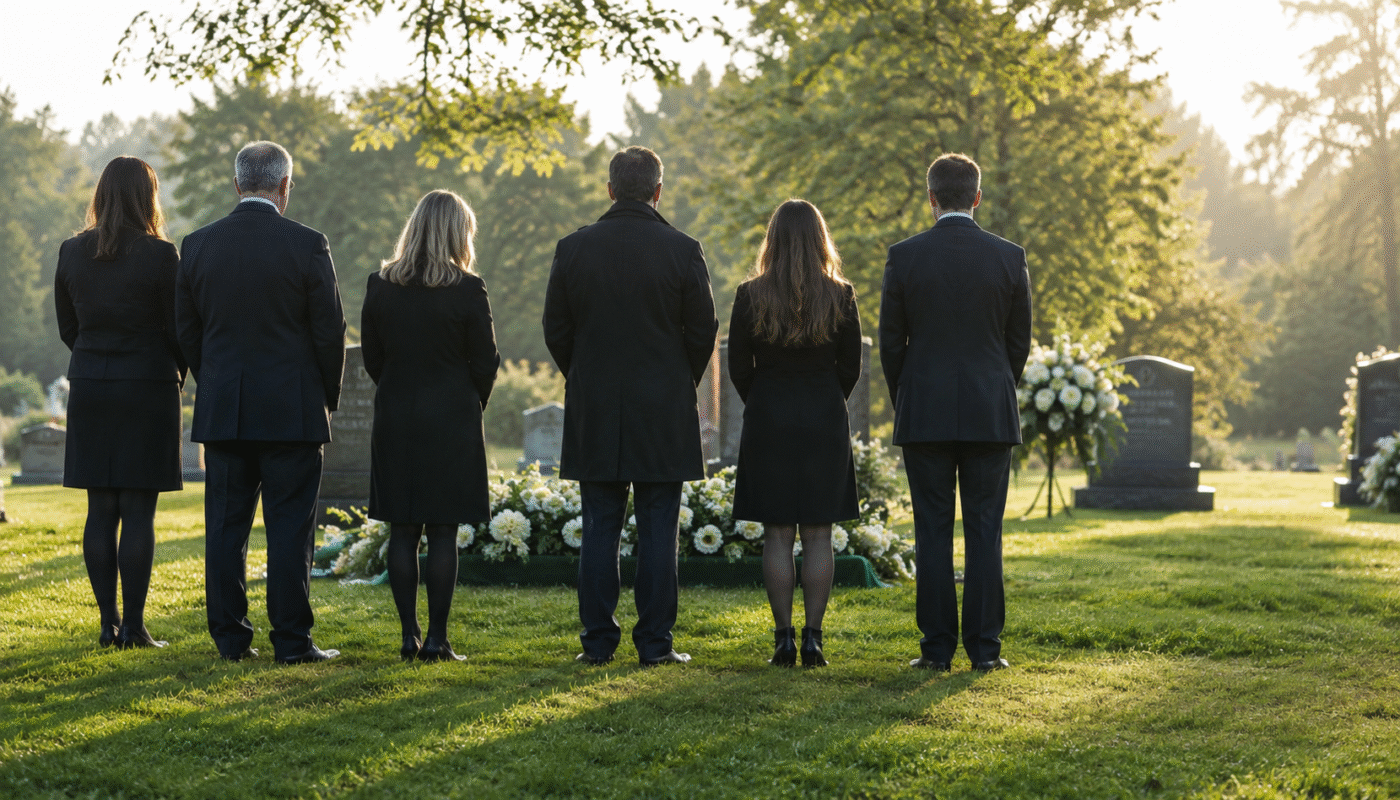
A home funeral is a family-directed funeral where the body is cared for at home after death, often including a home vigil before burial or cremation. Families handle body preparation, host services at home, and arrange final disposition themselves or with minimal professional assistance. This intimate approach returns death care to the family, creating meaningful time with the deceased in familiar surroundings.
Home funerals are legal in California and all U.S. states, though specific requirements vary. Families take responsibility for body care (washing, dressing, preservation), documentation (death certificates, permits), transportation, and disposition arrangements. While not common, home funerals provide deeply personal experiences for families seeking hands-on participation in caring for their loved one.
This guide explains California’s legal requirements for home funerals, planning steps, body care basics, costs, benefits, considerations, and resources to help you decide if this option fits your needs.
In This Article: – What Is a Home Funeral? – California Legal Requirements – Planning a Home Funeral – Body Care and Preservation – Home Vigil Practices – Disposition Arrangements – Costs – Benefits of Home Funerals – Challenges and Considerations – Resources and Support – Key Takeaways
What Is a Home Funeral?
A home funeral is family-directed after-death care conducted primarily at home.
Core Elements
Home funerals typically include: – Family care of body (washing, dressing, positioning) – Home vigil (body remains at home for viewing/visiting) – Home funeral service (ceremony at home) – Family coordination of all logistics – Minimal professional involvement (or none) – Final disposition (burial or cremation arranged by family)
What Home Funerals Are Not
Home funerals don’t mean: – Burial in backyard (separate regulations govern burial locations) – Avoiding all legal requirements – Unsafe or unsanitary practices – Isolation from professional guidance when needed – Only option for religious or cultural groups
Historical Context
Home funerals were standard practice before funeral homes emerged: – Family washed and dressed deceased – Body laid out in home parlor – Community gathered at home – Family arranged burial
The 20th century shifted death care to funeral professionals. Home funerals represent returning to family-centered traditions while meeting modern legal requirements.
California Legal Requirements
California permits home funerals with specific legal requirements.
What’s Legal in California
You CAN: – Care for your family member’s body at home – Keep body at home for viewing and vigil – Conduct funeral services at home – Transport body yourself (with proper permits) – Arrange direct burial or cremation
Required Documentation
Death Certificate: – Physician, coroner, or medical examiner must pronounce death and sign medical portion – Family or funeral director completes personal information section – Must be filed within 8 days of death – Requires attending physician cooperation
Disposition Permit: – Required before burial or cremation – Obtained from local registrar after death certificate filed – Family member can serve as “funeral director” to obtain permit – Some counties more accommodating than others
Transit Permit: – Required for transporting body – Obtained with disposition permit – Needed if moving body from place of death to home, from home to cemetery/crematory
Timeline Requirements
California law requires disposition within 8 days unless body is embalmed or refrigerated. This compressed timeline means home funerals require: – Quick coordination – Proper preservation methods – Efficient paperwork processing – Prompt cemetery/crematory arrangements
Transportation Rules
When transporting body: – Must have transit permit – Body must be in enclosed vehicle – Should be in suitable container or wrapped – Follow safe handling practices
Where Death Occurred Matters
Home death: Easiest for home funeral – Body already at home – Call hospice (if enrolled) or physician to pronounce death – Physician signs death certificate – Begin home vigil
Hospital death: More complex – Hospital staff expect funeral home pickup – May pressure family to use funeral home – Family can assert right to take body – Requires clear communication of intentions – May face resistance or confusion
Other locations: Variable difficulty – Nursing facilities similar to hospitals – Unexpected deaths may involve coroner (complicates family care) – Out-of-county deaths add complexity
Embalming Laws
California does NOT require embalming except: – When body crosses state lines – When disposition delayed beyond 8 days without refrigeration – When required by cemetery (rare)
Families can preserve body through refrigeration (dry ice) instead of embalming.
County Variations
Requirements and processes vary by California county: – Some county registrars helpful and experienced with home funerals – Others unfamiliar and potentially difficult – Urban Bay Area counties generally accommodating – Research your specific county’s processes
Planning a Home Funeral
Successful home funerals require advance planning and coordination.
Before Death
If possible, plan ahead:
Research requirements: – Contact county registrar about permit processes – Understand local requirements – Identify cooperative physicians – Connect with home funeral educators – Join home funeral support group
Prepare family: – Discuss desires and concerns – Ensure everyone comfortable with plan – Assign roles and responsibilities – Gather necessary supplies – Prepare home space
Medical coordination: – Inform physician of home funeral plans – Confirm willingness to sign death certificate promptly – Understand pronouncement procedures – If hospice involved, discuss home funeral support
Identify resources: – Locate dry ice suppliers – Research crematory or cemetery options – Find body transport assistance if needed – Connect with experienced home funeral guide if desired
After Death Occurs
Immediate steps (first 24 hours):
1. Pronouncement: – Call physician or hospice to pronounce death – If unexpected death, call 911 (may involve coroner) – Ensure death certificate medical portion completed
2. Begin body care: – Wash and dress body (within 2-4 hours ideal) – Position body for viewing – Begin cooling/preservation – Create peaceful environment
3. Notify family: – Inform close family and friends – Invite participation in body care if appropriate – Plan vigil visiting hours
4. Start paperwork: – Complete personal information for death certificate – File with county registrar – Obtain disposition and transit permits – Coordinate cemetery/crematory arrangements
Timeline Planning
Days 1-3: Vigil at home – Body kept cool with dry ice – Family and friends visit – Informal gatherings and remembering
Day 3-5: Funeral service – Hold service at home – Can combine with vigil or hold separately – Include desired rituals and elements
Day 5-8: Final disposition – Transport body to cemetery or crematory – Complete burial or cremation – Within legal 8-day window
Body Care and Preservation
Family members can care for the body with basic knowledge and supplies.
Initial Body Care
Washing: – Gather supplies: washcloths, towels, gentle soap, warm water – Work respectfully and gently – Wash face, hands, body – Change water frequently – Many families find this deeply meaningful
Dressing: – Choose comfortable, favorite clothing – Two people make dressing easier – Work slowly and respectfully – Simple clothing easiest (avoid complex fasteners) – Shoes optional
Positioning: – Position body comfortably on bed or cooling table – Hands folded on chest or at sides – Head on pillow – Body appears peaceful and at rest – Close eyes and mouth if desired (within first 2 hours easier)
Preservation Methods
Dry Ice Cooling: – Most common home preservation method – Keeps body cool enough for 3-7 days – Purchase 10-15 pounds daily from ice suppliers – Place in plastic bags under and around body (not directly on skin) – Protect bedding with waterproof covers – Replenish as it evaporates (every 12-24 hours) – Keep room cool (60-65°F ideal)
Techni-Ice Packs: – Reusable cooling packs designed for body cooling – Some home funeral families prefer these – Can be refrozen and reused – More expensive initially but reusable
Ice Baths: – Historical method rarely used now – Body positioned in tub filled with ice – Effective but less practical
Room Temperature: – In cool climates (under 60°F), body preservation possible without ice for 24-48 hours – Not recommended in warm weather – Risky without cooling
What to Expect
Body changes: – Skin temperature decreases – Skin may become pale or mottled – Body becomes rigid (rigor mortis) then relaxes – Features settle into peaceful expression – Natural process, not alarming
Odor management: – Proper cooling minimizes odor – Natural herbs (lavender, rosemary) create pleasant scent – Good ventilation helps – First 2-3 days typically no significant odor with proper cooling
Safety and Sanitation
Use universal precautions: – Wear gloves when handling body fluids – Wash hands thoroughly – Clean supplies properly – Protect wounds or openings with pads – Dispose of waste appropriately
Generally safe when: – Deceased not infectious disease carrier – Proper cooling maintained – Basic hygiene followed – Reasonable sanitation practices used
Home Vigil Practices
The home vigil creates meaningful time with the deceased.
Setting Up Space
Choose location: – Bedroom where death occurred – Living room for broader access – Quiet space with comfortable seating – Good ventilation – Adequate lighting (soft, warm preferred)
Create environment: – Flowers and plants – Candles (real or battery) – Photos from throughout life – Meaningful objects – Music playing softly – Comfortable seating for visitors
Vigil Activities
Sitting with the body: – Family members spend quiet time – Reading, praying, reflecting – Many families keep continuous presence – Shift schedule for around-the-clock vigil – Deeply peaceful experience for many
Visiting: – Friends and family come to pay respects – Informal conversations – Shared meals – Children participate comfortably – Natural integration of life and death
Rituals: – Prayer or meditation – Reading meaningful texts – Playing deceased’s favorite music – Anointing body with oils – Placing flowers or meaningful items – Cultural or religious practices
Managing Visitors
Communicate: – Let people know body is at home – Explain what to expect – Assure them it’s peaceful and appropriate – Invite comfortable participation level – Respect varied comfort levels
Some visitors will: – Feel honored and grateful for intimacy – Find it healing and natural – Want to participate in sitting or rituals – Appreciate seeing deceased in familiar setting
Others may: – Feel uncertain or uncomfortable – Prefer remembering person alive – Visit but not enter room with body – Need education about what to expect
Both responses are valid. Create welcoming environment respecting all comfort levels.
Disposition Arrangements
Families arrange burial or cremation for final disposition.
Direct Burial
Family can arrange: – Purchase cemetery plot – Coordinate grave opening and closing – Obtain burial casket or shroud – Transport body to cemetery – Conduct graveside service
Cemetery coordination: – Some cemeteries accommodate family-directed burial – Others require funeral director involvement – Green burial grounds typically very supportive – Urban cemeteries may resist – Research and communicate plans early
Costs: – Cemetery plot: $1,500-$5,000+ – Grave opening/closing: $800-$1,500 – Simple casket or shroud: $200-$1,500 – Total: $2,500-$8,000+
Direct Cremation
Family can arrange: – Transport body to crematory – Provide required documentation – Pay cremation fees – Receive cremated remains
Crematory requirements: – Must have disposition permit – Most require basic container – Some crematories accommodate families directly – Others require funeral director – Call ahead to verify acceptance
Costs: – Cremation fee: $150-$600 – Basic container: $50-$150 – Permits and documentation: $50-$150 – Total: $250-$900
Professional Assistance
Many families use limited professional help: – Body transport only: $200-$400 – Permit assistance: $150-$300 – Crematory liaison: $300-$600 – Partial services: $500-$1,500
This hybrid approach provides support where needed while keeping costs low and maintaining family involvement.
Costs
Home funerals significantly reduce funeral expenses.
Typical Home Funeral Costs
Minimal Professional Assistance: – Death certificate filing: $50-$100 – Permits: $50-$150 – Dry ice: $100-$200 (3-5 days) – Shroud or simple casket: $200-$1,000 – Cremation or burial fees: $250-$2,500 – Total: $650-$4,000
With Some Professional Help: – Limited professional services: $500-$1,500 – Transportation assistance: $200-$400 – Death certificate and permits: $100-$250 – Dry ice and supplies: $100-$200 – Shroud or casket: $200-$1,000 – Cremation or burial fees: $250-$2,500 – Total: $1,350-$5,850
Cost Comparison
- Home funeral: $650-$4,000
- Direct cremation (funeral home): $1,000-$3,000
- Direct burial (funeral home): $2,000-$4,000
- Traditional funeral: $7,000-$12,000+
Home funerals offer substantial savings, especially when family handles most tasks.
Hidden Costs to Consider
Time investment: – Significant family time and energy – Coordination and planning effort – Research and learning
Supplies: – Dry ice – Cleaning supplies – Gloves and protective equipment – Shroud or burial container
Potential expenses: – Home cleaning (professional if desired) – Funeral service elements (flowers, programs) – Food for gatherings
Benefits of Home Funerals
Home funerals provide unique advantages.
Emotional and Spiritual Benefits
Intimacy with death: – Natural integration of death into life – Time to process loss gradually – Demystifies death – Reduces fear
Meaningful participation: – Hands-on care feels purposeful – Active role during helpless time – Physical expression of love – Creates powerful memories
Time for grief: – No rushed timeline – Multiple days to visit and adjust – Process unfolds naturally – Family together continuously
Sense of completion: – Families report deep satisfaction – Feeling of doing everything possible – No regrets about care – Intimate goodbye
Practical Benefits
Cost savings: – 50-90% less than traditional funeral – Thousands of dollars saved – Money used for living needs instead
Control and autonomy: – Family makes all decisions – No pressure from funeral industry – Personalized in every detail – True to deceased’s and family’s values
Environmental benefits: – No embalming chemicals – Simple biodegradable containers possible – Reduced consumption – Earth-friendly option
Cultural and Religious Alignment
Traditional practices: – Returns to historical norms – Aligns with many cultural traditions – Fulfills religious requirements for family care – Honors ancestral practices
Challenges and Considerations
Home funerals aren’t right for everyone.
Emotional Challenges
Seeing physical changes: – Body changes after death – Can be difficult for some family members – Children may find confusing – Requires emotional preparation
Extended exposure: – Several days with body – Some find difficult – Grief may feel overwhelming – Not everyone comfortable
Family disagreement: – Not all family members support home funeral – Traditional-minded relatives may object – Conflict during already difficult time – Requires family consensus or strong decision-maker
Practical Challenges
Physical demands: – Lifting and moving body (requires 2-3 people) – Physically demanding care – Around-the-clock vigil scheduling – Home preparation and cleanup
Logistical complexity: – Navigating unfamiliar legal requirements – Coordinating with bureaucracies – Finding cooperative cemetery/crematory – Time-sensitive deadlines
Knowledge requirements: – Must educate yourself thoroughly – Learn body care techniques – Understand legal requirements – Problem-solve unforeseen issues
When Home Funerals Don’t Work
Difficult situations: – Unexpected traumatic death (coroner involvement) – Infectious disease (safety concerns) – Extreme weather (preservation challenges) – Family conflict or unwillingness – Decomposition already advanced – Legal complications (investigations)
Housing challenges: – Apartment with complaints from neighbors – Lack of suitable space – Very warm climate without air conditioning – Unstable housing situation
Resources and Support
Multiple resources support home funeral families.
Organizations
National Home Funeral Alliance (NHFA): – Education and resources – Home funeral guides directory – Legal information by state – nhfuneral.org
Final Passages (Northern California): – Bay Area-based home funeral education – Consultations and guidance – Training workshops – finalpassages.org
Local Support
Home funeral guides: – Experienced educators provide consultation – Help with planning and logistics – Present during body care if desired – Fees: $500-$2,000 depending on involvement
Death midwives/doulas: – Support families through dying and death – Educate about home funeral options – Provide hands-on assistance – Similar fees to guides
Educational Resources
Books: – “Final Rights” by Joshua Slocum and Lisa Carlson – “Caring for the Dead” by Lisa Carlson – “The Natural Death Handbook”
Online: – National Home Funeral Alliance website – State-specific legal guides – Video tutorials on body care – Home funeral forums and communities
Home Funeral Support at Monte Vista
Monte Vista Memorial Gardens respects families choosing home funerals and provides support where desired. While families direct home funerals independently, our team can assist with specific elements—documentation guidance, crematory coordination, or cemetery liaison services.
We also accommodate families conducting home funeral vigils who choose burial at Monte Vista. Our staff can provide guidance on California legal requirements and connect you with home funeral educators.
Call 510-299-1174 to discuss how we can support your home funeral plans.
Key Takeaways
Home funerals provide family-directed after-death care:
-
Home funerals involve family care of body at home, home vigil, and family-coordinated disposition—legal in California with specific requirements.
-
California legal requirements include proper death certificate completion, disposition permits within 8 days, and safe transportation—embalming not required.
-
Body care includes washing, dressing, positioning, and preservation with dry ice ($100-$200 for 3-5 days)—safe with basic precautions.
-
Home vigil creates meaningful time for family visits, rituals, and gradual grief processing in familiar environment over 3-7 days.
-
Costs range from $650-$4,000—50-90% less than traditional funerals—when family handles most tasks.
-
Benefits include emotional intimacy, meaningful participation, time for grief, cost savings, and cultural/religious alignment.
-
Challenges include emotional demands, physical requirements, legal complexity, and family consensus needs—not right for all situations.
-
Resources include National Home Funeral Alliance, Final Passages, home funeral guides, and educational materials for planning support.
Home funerals provide deeply personal, family-centered death care for those seeking hands-on participation and intimate time with deceased loved ones.
Questions About Home Funerals?
We provide information about home funeral options in California, limited professional support services, and connections to home funeral educators.
Call 510-299-1174 to discuss home funeral support and learn about services we can provide.