
Montevista | Latino Funeral Customs: Celebrating Life and Death
Latino Funeral Customs: Celebrating Life and Death


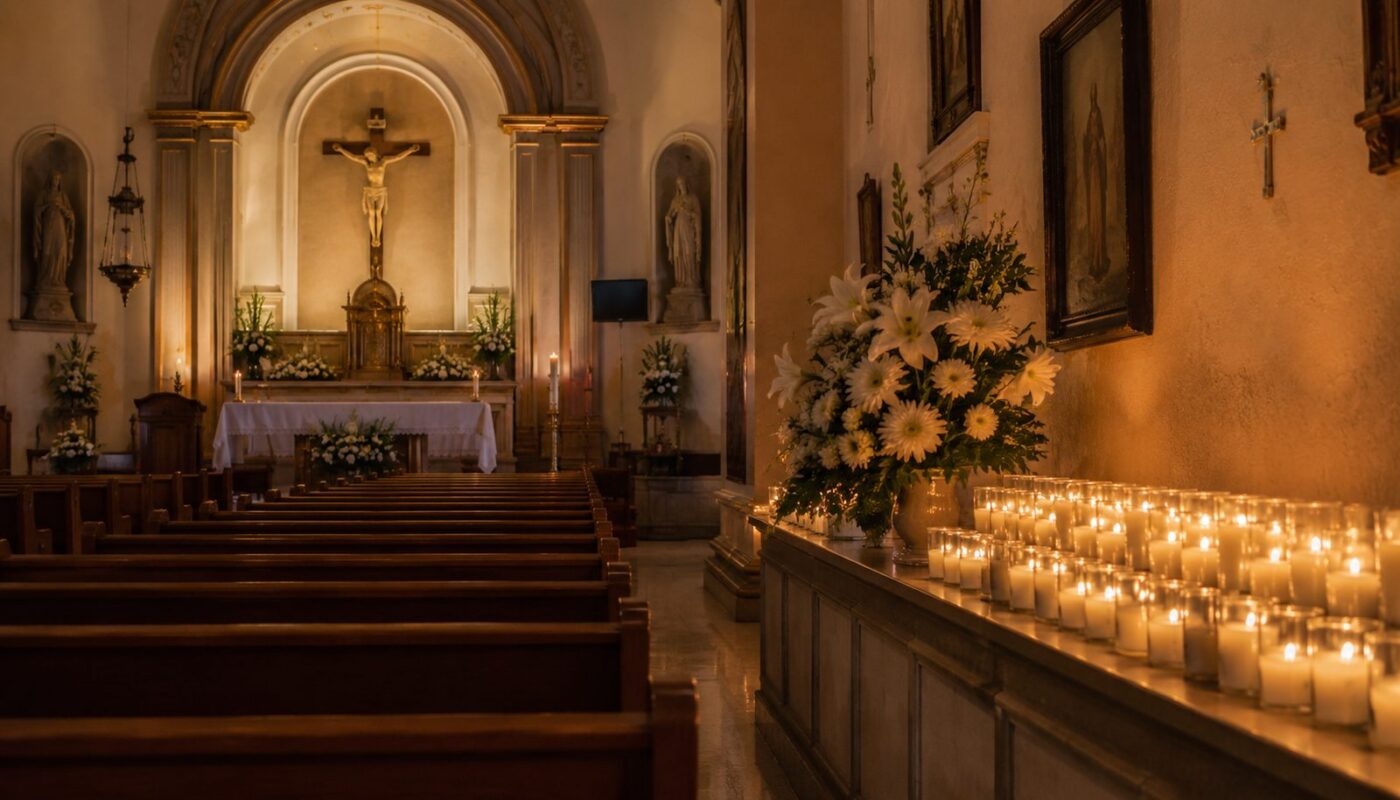
Latino funeral customs blend deep Catholic faith, indigenous traditions, and vibrant cultural celebrations that honor death as a natural part of life’s cycle while celebrating the deceased’s journey. From Mexico to Central and South America, Latino communities maintain rich funeral traditions emphasizing family bonds, community support, and the belief that death doesn’t sever relationships but transforms them.
This guide explores Latino funeral practices, their meanings, and how Hispanic families in the Bay Area honor their cultural heritage while navigating contemporary American funeral customs.
Core Latino Beliefs About Death
Latino attitudes toward death reflect centuries of blending Catholic theology with indigenous worldviews.
Catholic Foundation
Spanish colonization brought Catholicism to Latin America, creating deeply Catholic cultures across the region:
Eternal life: Belief that death is passage to eternal life with God.
Purgatory: The concept that souls may need prayers and intercession to move from purgatory to heaven.
Communion of saints: The living and dead remain connected through prayer and divine love.
Mary’s intercession: The Virgin Mary holds special importance as intercessor and comforter.
Indigenous Influences
Pre-Columbian beliefs continue to shape Latino death customs:
Death as transition: Indigenous traditions viewed death as transformation rather than ending, influencing how Latinos approach mortality.
Ancestor presence: Belief that deceased family members remain spiritually present and involved in family life.
Cyclical nature: Life, death, and rebirth form natural cycles honored through ritual and celebration.
Día de los Muertos: The annual Day of the Dead celebration exemplifies indigenous influence on Catholic practice.
Family and Community Values
Latino culture places enormous importance on familia:
Family unity: Death unites extended family from near and far.
Collective mourning: Grief is shared communally, not experienced in isolation.
Compadrazgo: Godparents and close family friends (compadres) play significant roles.
Respeto: Showing proper respect for the deceased honors the entire family.
The Velorio (Wake)
The velorio represents the centerpiece of Latino funeral traditions.
Duration and Setting
Extended gathering: Traditional velorios last 24-48 hours or longer, though modern practice often shortens to one or two days.
Home or funeral home: Traditionally held at the family home with the casket in the sala (living room). In the U.S., most occur at funeral homes.
Open house atmosphere: Family, friends, and community members come and go throughout the velorio, paying respects and offering support.
Children included: Latino families include children in all funeral activities, teaching them about death as a natural part of life.
Velorio Atmosphere
Latino velorios have a distinctive character:
Celebration alongside mourning: While grief is genuine, the velorio also celebrates the person’s life with stories, laughter, music, and abundant food.
Open casket: The deceased is typically displayed in an open casket throughout the velorio, allowing continuous viewing.
Continuous presence: Family members maintain vigil, ensuring the deceased is never alone.
Warm hospitality: The family provides coffee, food, and sometimes alcoholic beverages to all visitors.
Music: Depending on the family and region, mariachi music, religious songs, or the deceased’s favorite music may be played.
Religious Observances
Catholic practices structure the velorio:
Rosary (El Rosario): The rosary is prayed at least once daily during the velorio, often multiple times. A priest, deacon, or lay leader may guide the prayers.
Prayer cards: Laminated cards with the deceased’s photo and a prayer are distributed to attendees as remembrances.
Candles and incense: Candles burn continuously near the casket. Incense may be used during prayers.
Religious imagery: Crucifixes, images of saints (particularly the Virgin of Guadalupe in Mexican tradition), and religious statues surround the deceased.
The Funeral Mass (Misa de Cuerpo Presente)
The Catholic funeral Mass forms the spiritual center of Latino funerals.
Mass Elements
Full Catholic Mass: Latino funerals typically feature complete funeral Mass, not abbreviated services.
Culturally specific elements: Hymns in Spanish, cultural music, and sometimes mariachi musicians during or after the Mass.
Eulogy and remembrances: Family members share memories and tributes to the deceased.
Communion: Many attendees receive Holy Communion.
Incense and holy water: The priest incenses the casket and sprinkles it with holy water.
Musical Traditions
Music plays a vital role in Latino funeral Masses:
Traditional hymns: Spanish-language Catholic hymns like “Ave María” and “Alabaré.”
Mariachi: Some Mexican families include mariachi bands playing religious songs or the deceased’s favorites.
Regional music: Puerto Rican plena, Colombian vallenato, or other regional styles depending on heritage.
“Las Mañanitas”: This traditional birthday song is sometimes adapted as a greeting to the deceased entering heaven.
Burial and Committal
Latino burial practices combine Catholic ritual with cultural customs.
At the Cemetery
Graveside service: The priest conducts final prayers and the committal.
Family participation: Close family members may place earth on the casket.
Flowers: Abundant flowers, particularly white roses, carnations, and gladiolus, cover the grave.
Music: Mariachi or other musicians may continue playing at the graveside.
Extended goodbyes: Family members take time for final farewells before leaving the cemetery.
Burial Preferences
Traditional burial: Most Latino cultures traditionally prefer earth burial to cremation.
Catholic teaching: Historical Catholic preference for burial influenced Latino practice.
Changing attitudes: Younger generations increasingly accept cremation for practical and cost reasons.
Intact body: Many older Latinos prefer burial believing in bodily resurrection and viewing cremation as disrespectful.
Cemetery Customs
Grave decoration: Latino families lavishly decorate graves with flowers, candles, photos, and personal items.
Regular visits: Frequent cemetery visits maintain connection with deceased family members.
Grave maintenance: Families take pride in keeping graves clean, beautiful, and well-tended.
Community: Latino cemetery sections often become community gathering places, especially on special days.
Post-Funeral Mourning Customs
Latino mourning practices extend well beyond the funeral.
The Novena (Nine-Day Prayers)
Nightly prayers: For nine consecutive nights following the funeral, family and friends gather to pray the rosary for the deceased’s soul.
Location: Novenas typically occur at the family home.
Community participation: Extended family, friends, and neighbors attend, with the family providing refreshments.
Spiritual purpose: Catholics believe these prayers help the soul’s journey through purgatory.
Final night: The ninth night often includes a larger gathering with special foods and remembrances.
Novenario and Beyond
30-day observance: Some Latino traditions mark the 30th day with a Mass and family gathering.
Year anniversary (Cabo de Año): A memorial Mass one year after death marks the end of formal mourning.
Ongoing remembrance: Monthly Masses during the first year or regular annual Masses keep the person’s memory alive.
Mourning Dress and Behavior
Black clothing: Immediate family traditionally wears black for an extended period—40 days, one year, or even longer in some traditions.
Luto (mourning): Formal mourning period when the family avoids celebrations, loud music, and festivities.
Widows: Traditionally, widows wore black for one to three years or even life.
Modern practice: Younger generations often simplify mourning dress requirements while respecting tradition.
Regional Variations
Latin America’s vast geography creates diverse funeral customs.
Mexican Traditions
Día de los Muertos influence: Mexican culture uniquely blends Catholic and indigenous Aztec/Mayan death traditions.
Mariachi: Mariachi music is distinctively Mexican at funerals.
Virgin of Guadalupe: Special devotion to Mexico’s patron saint.
Pan de muerto: Special bread may be served during mourning periods.
Bright colors: Some Mexican families include the deceased’s favorite bright colors alongside traditional mourning.
Central American Customs
Extended mourning: Guatemalan, Salvadoran, and other Central American communities often observe extended mourning periods.
Regional saints: Devotion to specific regional patron saints.
Mayan influences: Guatemalan traditions particularly show indigenous Mayan influence.
Caribbean Latino Traditions
Puerto Rican: Strong emphasis on music (plena, bomba), often more celebratory atmosphere, baquiné tradition for deceased children.
Cuban: Specific prayers and customs, influence of Santería alongside Catholicism in some families.
Dominican: Merengue or bachata music may be incorporated, vibrant celebrations of life.
South American Traditions
Colombian: Vallenato music, specific regional customs varying by area.
Peruvian: Andean influences blend with Catholic practices.
Argentine/Chilean: European immigration influences alongside indigenous and Catholic traditions.
Latino Funeral Superstitions and Beliefs
Various folk beliefs accompany Latino funeral customs:
During the Wake and Funeral
Mirrors: Some families cover mirrors to prevent the deceased’s spirit from being trapped.
Clocks: Stopping clocks at the time of death honors the moment life ended.
Pregnant women: Pregnant women are sometimes discouraged from viewing bodies or attending wakes.
Children and bodies: While children attend funerals, some believe direct contact with the deceased should be limited.
Photos: Taking photos of the deceased is avoided in many Latino traditions.
Protecting the Living
Mal de ojo: Evil eye protections may be used during funerals.
Cleansing: Some families perform spiritual cleansing (limpia) after funerals.
Salt and water: Sprinkling salt or holy water when returning home from cemetery.
Backward glances: Avoiding looking back when leaving the cemetery prevents spirits from following.
Día de los Muertos Connection
While deserving its own detailed article, Day of the Dead connects deeply to Latino funeral customs:
Ongoing relationship: Latino death customs emphasize continuing bonds with deceased loved ones.
Annual celebration: November 1-2 celebrations honor all deceased family members.
Ofrendas (altars): Home altars with photos, favorite foods, and offerings welcome spirits home.
Cemetery visits: Families gather at graves, cleaning, decorating, and celebrating together.
Cultural identity: Día de los Muertos expresses core Latino values about death, family, and remembrance.
Learn more: Día de los Muertos – Honoring Loved Ones in Mexican Tradition
Latino Funerals in America
Bay Area Latino families adapt traditional practices to American contexts.
Common Adaptations
Shorter velorios: One to two days instead of extended multi-day wakes.
Funeral home venues: Most wakes and services occur at funeral homes rather than family homes.
Work schedules: Weekend timing to accommodate work schedules.
Bilingual services: Masses and prayers in both Spanish and English for multilingual families.
Cost considerations: Simplified or shortened some traditional elements for financial reasons.
Maintaining Cultural Identity
Latino families preserve essential cultural elements:
Catholic Mass: Full funeral Mass with Spanish hymns and prayers.
Rosary and novena: Maintaining prayer traditions central to Latino Catholic faith.
Open casket: Continuing the tradition of viewing throughout the wake.
Food and hospitality: Providing abundant food for all who gather.
Music: Incorporating mariachi or traditional music meaningful to the family.
Family involvement: Large extended family participation and multi-generational attendance.
Día de los Muertos: Annual cemetery visits and home altar traditions continue strong.
Attending a Latino Funeral
Non-Latino friends and colleagues can support bereaved families by:
What to wear: Conservative dark clothing. Black is traditional and respectful.
Bringing food: Offering to bring food for the family during the wake or after the funeral is deeply appreciated.
Attending the velorio: Visiting during wake hours shows support. Stay to visit and accept offered food and drink.
Rosary participation: Non-Catholics may sit respectfully during rosary prayers without participating vocally.
Condolences: Express sympathy sincerely but keep it brief, allowing others to also offer support.
Viewing the deceased: Approaching the open casket to pay respects is customary if comfortable.
Flexibility with time: Latino gatherings often extend beyond scheduled times—patience honors the culture.
Serving Latino Families at Monte Vista
Monte Vista Memorial Gardens serves Bay Area Latino families with deep understanding of Hispanic Catholic funeral traditions and the importance of family-centered, culturally rich ceremonies. Our team can work with families to coordinate burial arrangements and can help connect families with Spanish-speaking priests, Latino Catholic parishes, and mariachi musicians suited to authentic traditional services.
Whether your family is from Mexico, Central America, South America, or the Caribbean, Monte Vista provides culturally sensitive support for your specific regional traditions while honoring universal Latino values of family, faith, and celebration.
Our team understands the significance of the novena, the importance of open caskets and extended viewings, and the value of communities gathering together to pray, eat, and support one another. We’re committed to helping Latino families arrange meaningful services that honor both Catholic faith and rich cultural heritage.
Key Takeaways
Understanding Latino funeral customs reveals deep values of faith, family, and life celebration:
-
Velorio (wake): Extended wakes create space for family reunion, community support, and celebrating life alongside mourning.
-
Catholic faith: Funeral Mass, rosary prayers, novenas, and belief in eternal life shape Latino funeral practices.
-
Music and celebration: Mariachi and traditional music transform funerals into celebrations of life’s journey.
-
Family-centered: Large extended families unite, with multi-generational participation and strong community support.
-
Ongoing bonds: Death doesn’t sever relationships but transforms them, with deceased family members remaining spiritually present.
Honoring Latino Traditions with Respect
Latino families throughout the Bay Area trust Monte Vista to facilitate funeral services that honor their Catholic faith and cultural heritage. Our experience with Hispanic funeral customs, coordination with Latino parishes and musicians, and commitment to warm hospitality ensure meaningful, authentic ceremonies.
Call 510-299-1174 to discuss Latino funeral arrangements, or speak with your family about coordinating traditional services at Monte Vista Memorial Gardens.