
Montevista | Native American Funeral Traditions: Sacred Ceremonies and Tribal Customs
Native American Funeral Traditions: Sacred Ceremonies and Tribal Customs


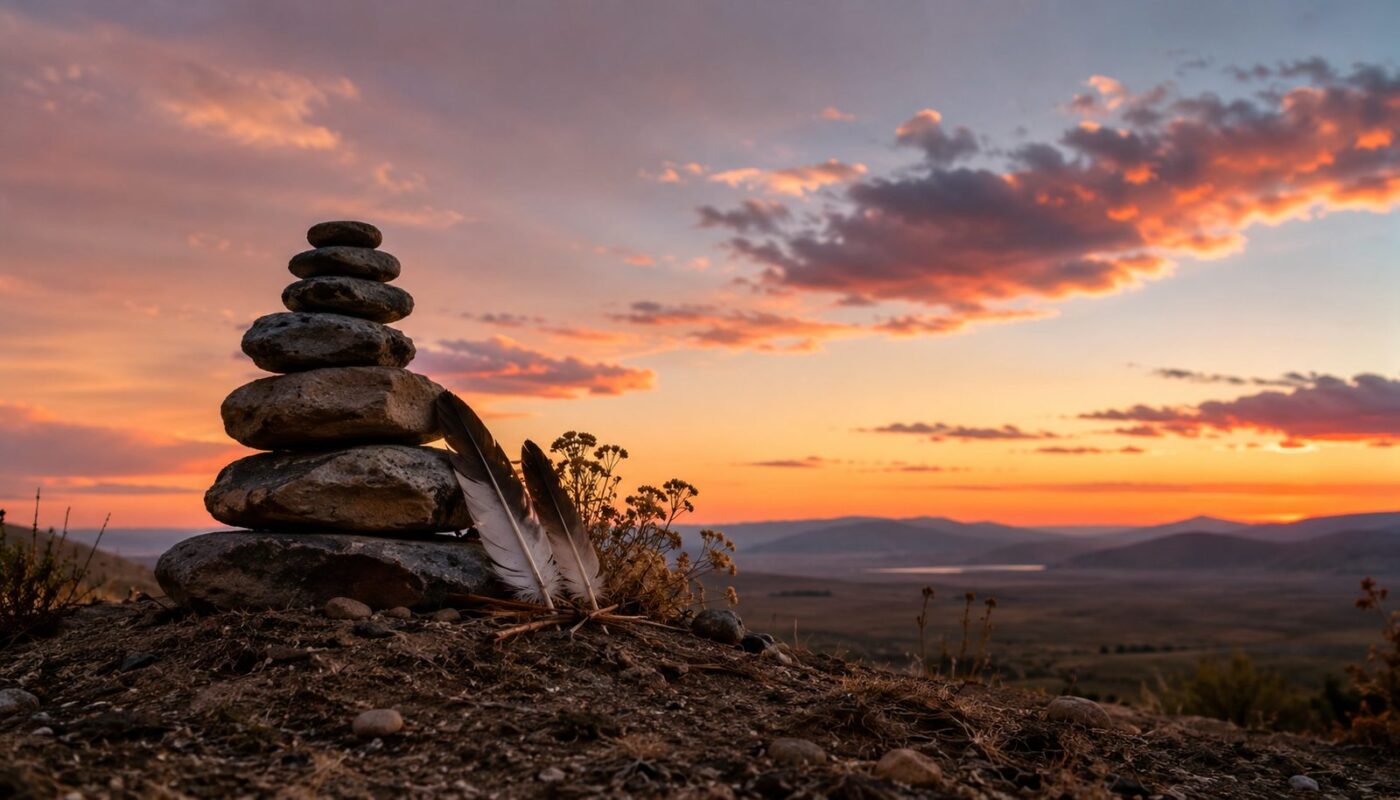
Native American funeral traditions encompass the sacred ceremonies and spiritual practices of hundreds of distinct tribal nations, each with unique customs shaped by ancestral teachings, spiritual beliefs, and connection to land. Understanding Native American funeral practices requires recognizing this profound diversity—there is no single “Native American funeral,” but rather hundreds of tribal traditions, each deserving respect and honor.
Recognizing Tribal Diversity
Hundreds of distinct nations: The United States recognizes over 570 federally recognized tribal nations, each with distinct languages, cultures, and spiritual traditions. Funeral practices vary significantly among tribes.
Regional variations: Tribes from different regions (Plains, Southwest, Pacific Northwest, Eastern Woodlands, California) developed distinct traditions influenced by their environments and histories.
Intertribal families: Many contemporary Native families have mixed tribal heritage, sometimes blending traditions from multiple nations.
Individual and family choice: Even within tribes, families may observe traditional practices, Christian-influenced services, or combinations of both.
Respect specificity: When attending a Native funeral, learn about that specific tribe’s customs rather than assuming general “Native American” practices apply universally.
Common Spiritual Themes
While traditions vary greatly, some spiritual concepts appear across many Native cultures:
Circular view of life: Many Native traditions view life, death, and rebirth as continuous cycles rather than linear progressions.
Connection to ancestors: The deceased join ancestors who continue to guide and protect the living.
Sacred relationship with land: Traditional burial practices often emphasize returning to the earth and connection to ancestral homelands.
Spirit journey: Many traditions believe the deceased’s spirit undertakes a journey to the afterlife, requiring specific ceremonies to ensure safe passage.
Balance and harmony: Death disrupts natural balance, and ceremonies help restore harmony between physical and spiritual worlds.
Traditional Ceremonial Elements
Many Native funeral traditions include specific ceremonial practices, though these vary significantly:
Sacred fires: Some traditions maintain sacred fires during mourning periods, tended continuously by family members.
Feasting: Community feasts honor the deceased and support the grieving family, demonstrating collective care.
Giveaways: Some tribes practice ceremonial giveaways where the family distributes the deceased’s possessions to honor them and help the spirit’s journey.
Drumming and singing: Sacred songs, performed with traditional drums, guide the spirit and support mourners.
Four directions: Many ceremonies honor the four sacred directions with prayers, smoke, or ceremonial offerings.
Purification: Smoke from sage, cedar, or sweetgrass may purify participants and sacred space.
Specific timeframes: Mourning periods vary—some tribes observe four days, others one year, with specific ceremonies at designated times.
Burial Practices
Traditional burial: Historically, many tribes used earth burial, scaffold burial, or cave burial depending on environment and tradition.
Contemporary choices: Modern Native families may choose burial or cremation, sometimes with traditional elements incorporated.
Personal items: Placing meaningful personal items, food, tools, or sacred objects with the deceased helps equip them for the spirit journey.
Grave markers: Traditional markers varied from natural stones to carved posts. Today, many Native graves have conventional markers often incorporating tribal symbols.
Ancestral lands: Being buried in ancestral homelands holds particular significance for many Native families.
Christianity and Native Traditions
Historical context: Forced assimilation and missionary activity profoundly impacted Native spiritual practices, including funeral customs.
Contemporary blending: Many Native families blend Christian practices (particularly Catholic or Protestant services) with traditional tribal ceremonies.
Native Christian churches: Some tribes developed distinct Native Christian traditions incorporating both Christian theology and tribal customs.
Reclaiming tradition: Contemporary Native communities increasingly reclaim and revitalize traditional practices, including funeral ceremonies.
Family-specific practices: Each family decides how to honor their loved ones, whether through traditional ceremonies, Christian services, or combinations.
Bay Area Native Communities
The Bay Area is home to several Native communities:
Ohlone peoples: The original inhabitants of the Bay Area, whose ancestors are buried throughout the region.
Urban Native population: San Francisco and Oakland host significant urban Native populations representing many tribal nations.
Intertribal organizations: Organizations like the Friendship House in Oakland serve diverse urban Native communities.
Tribal diversity: Bay Area Native residents represent tribes from throughout North America, each maintaining connections to their specific traditions.
Cultural Sensitivity and Respect
Attending Native Funerals
Ask about customs: If invited to a Native funeral, respectfully ask family members about appropriate conduct, dress, and participation.
Dress modestly: Conservative, respectful dress unless otherwise instructed.
Photography restrictions: Never photograph ceremonies, sacred objects, or participants without explicit permission. Many Native ceremonies prohibit photography entirely.
Sacred objects: Don’t touch drums, medicine bundles, ceremonial items, or sacred objects without permission.
Respectful observation: If unfamiliar with customs, observe respectfully and follow the lead of family and tribal members.
No generalizations: Avoid assuming you understand “Native customs” based on stereotypes or limited knowledge.
Understanding Restrictions
Some tribal ceremonies are private and restricted to tribal members. If not invited, respect these boundaries. Public memorials may be held separately from private tribal ceremonies.
Serving Native Families at Monte Vista
Monte Vista Memorial Gardens serves Bay Area Native American families with respect for tribal diversity and sacred traditions. We recognize that each tribal nation and family has unique customs and beliefs deserving individual attention and honor.
We work sensitively with families and tribal communities to accommodate traditional practices within cemetery guidelines, including considerations for ceremonial fires (where safely possible), sacred objects, traditional offerings, and specific burial orientations meaningful to particular tribes.
Our commitment is to learn from each family about their specific traditions and to provide respectful support honoring both Indigenous heritage and individual family preferences. We recognize the painful history of Native peoples and approach these relationships with humility and cultural sensitivity.
Key Takeaways
-
Tribal diversity: Hundreds of distinct tribal nations each have unique funeral traditions. There is no single “Native American funeral.”
-
Sacred ceremonies: Traditional practices include sacred fires, drumming, singing, feasting, and ceremonies guiding the spirit’s journey.
-
Ancestral connection: Many traditions emphasize the deceased joining ancestors who continue to guide the living.
-
Contemporary blending: Many Native families blend traditional tribal practices with Christian elements or adapt ceremonies for modern contexts.
-
Cultural sensitivity: Respectful participation requires learning about the specific tribe’s customs rather than assuming general knowledge.
Call 510-299-1174 to discuss Native American funeral arrangements at Monte Vista Memorial Gardens.