
Montevista | Indian Funeral Traditions: Religious Diversity and Cultural Customs
Indian Funeral Traditions: Religious Diversity and Cultural Customs


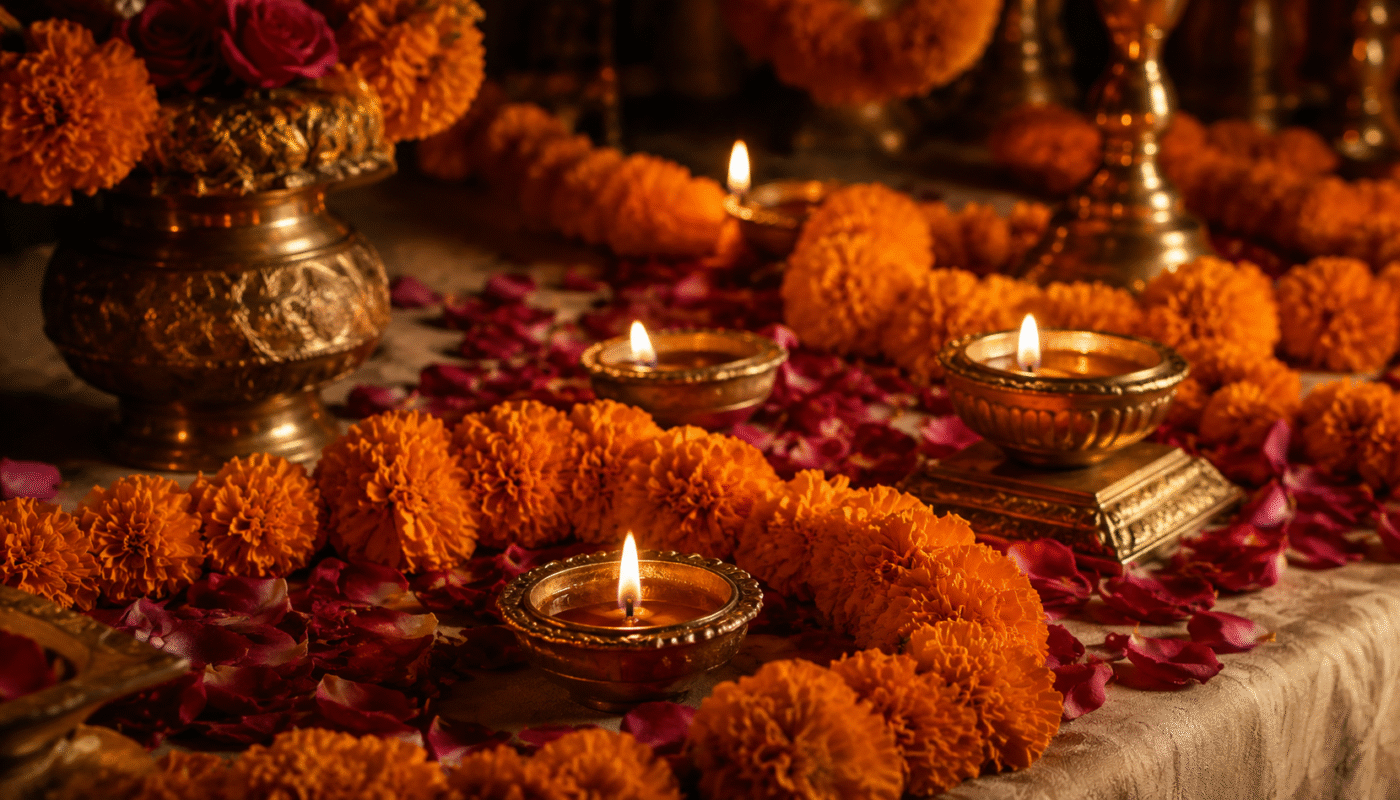
Indian funeral traditions reflect the extraordinary religious, linguistic, and cultural diversity of the Indian subcontinent. With Hindus, Muslims, Sikhs, Christians, Jains, Parsis, Buddhists, and others calling India home, funeral practices vary dramatically based on religious tradition, regional customs, caste communities, and family preferences. Understanding Indian funeral customs requires recognizing this remarkable diversity while appreciating common cultural threads woven through Indian society.
This guide explores funeral traditions across India’s major religious communities and how Indian American families maintain these customs in the Bay Area.
India’s Religious Diversity
India is home to multiple major world religions:
Hindu majority: Approximately 80% of Indians are Hindu, making Hinduism the dominant tradition (see our comprehensive Hindu cremation guide for detailed Hindu practices).
Significant Muslim population: India has one of the world’s largest Muslim populations (14%), following Islamic burial customs.
Sikh community: Sikhism originated in Punjab, India. Sikhs comprise about 2% of India’s population (see our Sikh funeral customs guide).
Christians: About 2% of Indians are Christian, including ancient communities like Syrian Christians in Kerala and communities formed through colonial missionary activity.
Jains: Jainism, an ancient Indian religion emphasizing non-violence, has a small but influential following.
Parsis: Zoroastrian Parsi community, though tiny in numbers, maintains distinctive ancient Persian-origin traditions.
Buddhists and others: Small Buddhist, Jewish, and other religious communities.
Hindu Funeral Traditions (Brief Overview)
Since Hinduism is India’s majority religion, many identify “Indian funeral” with Hindu practices. Key elements include:
Cremation preference: Hindus traditionally cremate, believing it releases the soul from the physical body.
Prompt cremation: Ideally within 24 hours of death.
Chief mourner role: Eldest son typically serves as chief mourner, lighting the funeral pyre.
Antyeshti rituals: The final sacrament includes bathing, dressing, viewing, prayers, cremation, and post-cremation ceremonies.
Shraddha and tarpana: Post-cremation rituals supporting the deceased’s journey and honoring ancestors.
13-day mourning period: Immediate family observes mourning restrictions for 13 days, culminating in a ceremony marking the end of intensive mourning.
Asthi visarjan: Scattering cremated remains in sacred rivers, ideally the Ganges.
For comprehensive detail, see our Hindu Cremation Rituals Guide.
Indian Muslim Funeral Traditions
Indian Muslims follow Islamic burial customs with Indian cultural influences:
Prompt burial: Islamic requirement for burial as soon as possible, ideally within 24 hours.
Ritual washing (ghusl): Same-gender family members or designated Muslims wash the body according to Islamic protocol.
Shrouding (kafan): The body is wrapped in simple white cloth.
Janazah prayer: The Islamic funeral prayer, conducted at mosque or prayer ground, with attendees standing in rows.
Burial only: Cremation is prohibited in Islam. All Indian Muslims practice earth burial.
Simplicity: Simple grave markers, with elaborate monuments discouraged.
Regional variations: Indian Muslim communities (particularly in regions like Kerala, Hyderabad, or Kashmir) may incorporate local cultural elements while maintaining core Islamic requirements.
Women’s participation: Traditional practice limits women’s cemetery attendance, though this varies by family and region.
For detailed Islamic funeral practices, see our Islamic Burial Practices Guide.
Sikh Funeral Traditions (Brief Overview)
Indian Sikhs follow funeral customs based on Sikh religious teachings:
Antam Sanskar: The final rite includes bathing, dressing (including the Five Ks for initiated Sikhs), and cremation.
Gurdwara service: Funeral services occur at gurdwaras (Sikh temples) with prayers from Guru Granth Sahib and kirtan (devotional singing).
No mourning displays: Sikhs are encouraged not to display excessive grief, trusting in God’s will and the soul’s return to God.
Bhog ceremony: Completing continuous reading of Guru Granth Sahib, typically within 10 days.
Langar: Community meal following services, embodying Sikh values of equality and community.
For comprehensive detail, see our Sikh Funeral Customs Guide.
Indian Christian Funeral Traditions
Indian Christianity encompasses diverse communities with distinct traditions:
Syrian Christians (Kerala)
Ancient community: Syrian Christian communities in Kerala trace their origins to St. Thomas the Apostle in the first century CE.
Orthodox and Catholic traditions: Some Syrian Christians follow Eastern Orthodox practices; others are Catholic (Syro-Malabar or Syro-Malankara rites).
Liturgical services: Rich liturgical funeral services incorporating ancient Syriac prayers and Eastern Christian traditions.
Burial preference: Traditional preference for burial, though cremation is increasingly accepted.
Unique customs: Specific Kerala Syrian Christian customs include prayer vigils, parish support, and traditional mourning observances.
Catholic Christians
Portuguese and European influence: Catholicism in India (particularly Goa, Mangalore, Mumbai) reflects Portuguese colonial missionary activity.
Catholic funeral Mass: Standard Catholic funeral liturgy adapted to Indian languages and some local customs.
Rosary and novenas: Vigils include rosary prayers and nine-day novenas after burial.
Cemetery traditions: Catholic cemeteries with graveside blessings, annual All Souls’ Day observances.
Protestant Christians
British colonial influence: Protestant Christianity came to India primarily through British missionaries.
Diverse denominations: Church of South India, Church of North India, various Protestant and Pentecostal communities.
Service structure: Protestant funeral services with hymns, scripture readings, sermons, and prayers, often incorporating Indian languages and musical styles.
Tribal Christians: Significant Christian populations among tribal communities in Northeast India and elsewhere, often blending Christian practice with indigenous customs.
Jain Funeral Traditions
Jainism, emphasizing ahimsa (non-violence), has specific funeral customs:
Cremation: Jains practice cremation.
Simple ceremonies: Reflecting Jain values of non-attachment and simplicity.
Ritual bathing: The body is bathed and prepared, traditionally by family members.
White dress: The deceased is dressed in simple white clothing.
Religious recitations: Jain prayers and texts like the Namokar Mantra are recited.
No elaborate rituals: Jain funerals are generally simpler than Hindu ceremonies, avoiding elaborate ritual performance.
Mourning period: Families observe a mourning period, though specific practices vary among Jain communities (Digambara and Svetambara sects have some differences).
Charitable giving: Families often make charitable donations in the deceased’s memory, particularly to support Jain religious institutions or causes aligned with ahimsa.
Parsi (Zoroastrian) Funeral Traditions
The Parsi community maintains ancient Zoroastrian funeral customs:
Traditional method – Dakhma (Tower of Silence): Historically, Parsis placed deceased bodies in circular stone towers (dakhmas) where vultures would consume the flesh, based on beliefs that earth, fire, and water are sacred and shouldn’t be defiled by corpses.
Declining practice: With vulture population decline and urban development, traditional dakhma practice has diminished, particularly outside India.
Contemporary alternatives: Modern Parsis increasingly choose burial in Parsi-designated cemetery sections or (controversially) cremation, though cremation contradicts traditional Zoroastrian teaching.
Ritual washing: The body is ritually washed by Parsi priests.
Sudra and kusti: The deceased is dressed in the sacred shirt (sudra) and cord (kusti) worn by Zoroastrians.
Fire present: Sacred fire is maintained during ceremonies, as fire is central to Zoroastrian worship.
Funeral prayers: Zoroastrian priests recite specific prayers from the Avesta (Zoroastrian scripture).
Mourning period: Traditional three-day mourning period with specific ceremonies.
Community solidarity: The small Parsi community provides strong mutual support during bereavement.
Regional and Cultural Customs
Beyond religious traditions, regional Indian cultures contribute distinct elements:
Language and Regional Variations
North vs. South: Northern and Southern Indian communities have distinct cultural practices around death, even within the same religion.
Bengali, Tamil, Gujarati, Punjabi traditions: Each linguistic and regional community adds unique cultural elements to religious funeral frameworks.
Caste community customs: Within Hinduism particularly, different caste communities maintain specific customs, foods, and ritual practices.
Common Cultural Threads
Despite diversity, some cultural elements appear across Indian communities:
Prompt disposition: Most Indian traditions, whether Hindu cremation or Muslim burial, emphasize handling death promptly, ideally within 24 hours.
Community support: Indian culture emphasizes collective community response to death, with neighbors, extended family, and community members providing meals, presence, and practical help.
White mourning: White is India’s traditional mourning color across many communities (contrasting with Western black), though this varies.
Food customs: Providing food for mourners, abstaining from certain foods during mourning, and feeding community members are common practices.
Ritual purity: Concepts of ritual purity and pollution around death influence many Indian traditions, requiring specific purification practices.
Indian Funerals in America
Bay Area Indian American families adapt traditional practices to American contexts while maintaining cultural identity.
Common Adaptations
Funeral homes: Most services occur at American funeral homes rather than homes or traditional settings.
Timing flexibility: 24-hour cremation or burial timelines often extend to 3-5 days to allow family to gather from distances.
Modified rituals: Some elaborate traditional rituals are simplified for practical reasons.
Bilingual services: Mixing English with heritage languages (Hindi, Tamil, Gujarati, Punjabi, etc.) for multi-generational families.
Cemetery limitations: American cemeteries may not accommodate all traditional practices (open-air cremation, specific ritual requirements).
Maintained Traditions
Indian American communities preserve essential elements:
Religious framework: Maintaining Hindu, Muslim, Sikh, Christian, or other religious funeral structures.
Community gathering: Large community attendance remains central to Indian funerals in America.
Traditional foods: Providing traditional Indian foods at funeral gatherings.
Priest/religious leader: Engaging Hindu priests, Muslim imams, Sikh granthis, or Christian ministers from Indian American communities.
Language preservation: Conducting prayers and ceremonies in heritage languages.
Return to India: Some families transport bodies or ashes to India for final rites in ancestral villages or at sacred sites like the Ganges.
Bay Area Indian Communities
The Bay Area hosts one of America’s largest and most diverse Indian American populations:
Hindu temples: Numerous temples serving different linguistic and regional Hindu communities.
Mosques: Mosques serving Indian Muslim communities.
Gurdwaras: Active Sikh community with multiple gurdwaras.
Churches: Indian Christian churches including Syro-Malabar Catholic and various Protestant Indian congregations.
Community organizations: Organizations supporting cultural and religious practices including funeral customs.
Crematories: Bay Area crematories experienced in serving Indian Hindu, Sikh, Jain, and other communities requiring cremation.
Serving Indian Families at Monte Vista
Monte Vista Memorial Gardens serves the diverse Indian American community with appreciation for the religious and cultural complexity of Indian funeral traditions. We work respectfully with Hindu priests, Muslim imams, Sikh granthis, Christian clergy, and other religious leaders to facilitate culturally appropriate services.
Whether your family is Hindu, Muslim, Sikh, Christian, Jain, Parsi, or from another Indian tradition, Monte Vista provides sensitive support honoring your specific religious requirements and cultural customs. We understand the importance of community gathering, traditional practices, and maintaining religious obligations while navigating American funeral and cemetery procedures.
Our approach with Indian American families means we appreciate the diversity within “Indian funeral traditions” and approach each family as unique, learning about your specific needs rather than assuming universal Indian customs.
Key Takeaways
Understanding Indian funeral traditions requires recognizing extraordinary diversity:
-
Religious diversity: India’s major religions—Hinduism, Islam, Sikhism, Christianity, Jainism, Zoroastrianism—each have distinct funeral customs.
-
Regional variations: Language regions, caste communities, and cultural areas add layers of diversity within religious traditions.
-
Common cultural values: Despite differences, community support, prompt disposition, and collective mourning appear across Indian traditions.
-
American adaptations: Indian American families adapt traditional practices while preserving essential religious and cultural elements.
-
Individual family practices: Each family blends religious requirements, regional customs, generational preferences, and personal choices uniquely.
Honoring Indian Traditions with Respect
Indian American families throughout the Bay Area trust Monte Vista to provide funeral and cemetery services respecting their religious traditions and cultural heritage. Our commitment to understanding diverse Indian customs ensures meaningful, appropriate support.
Call 510-299-1174 to discuss Indian funeral arrangements honoring your family’s specific religious and cultural traditions at Monte Vista Memorial Gardens.