
Montevista | Muslim Funeral Etiquette: What to Expect and How to Participate
Muslim Funeral Etiquette: What to Expect and How to Participate


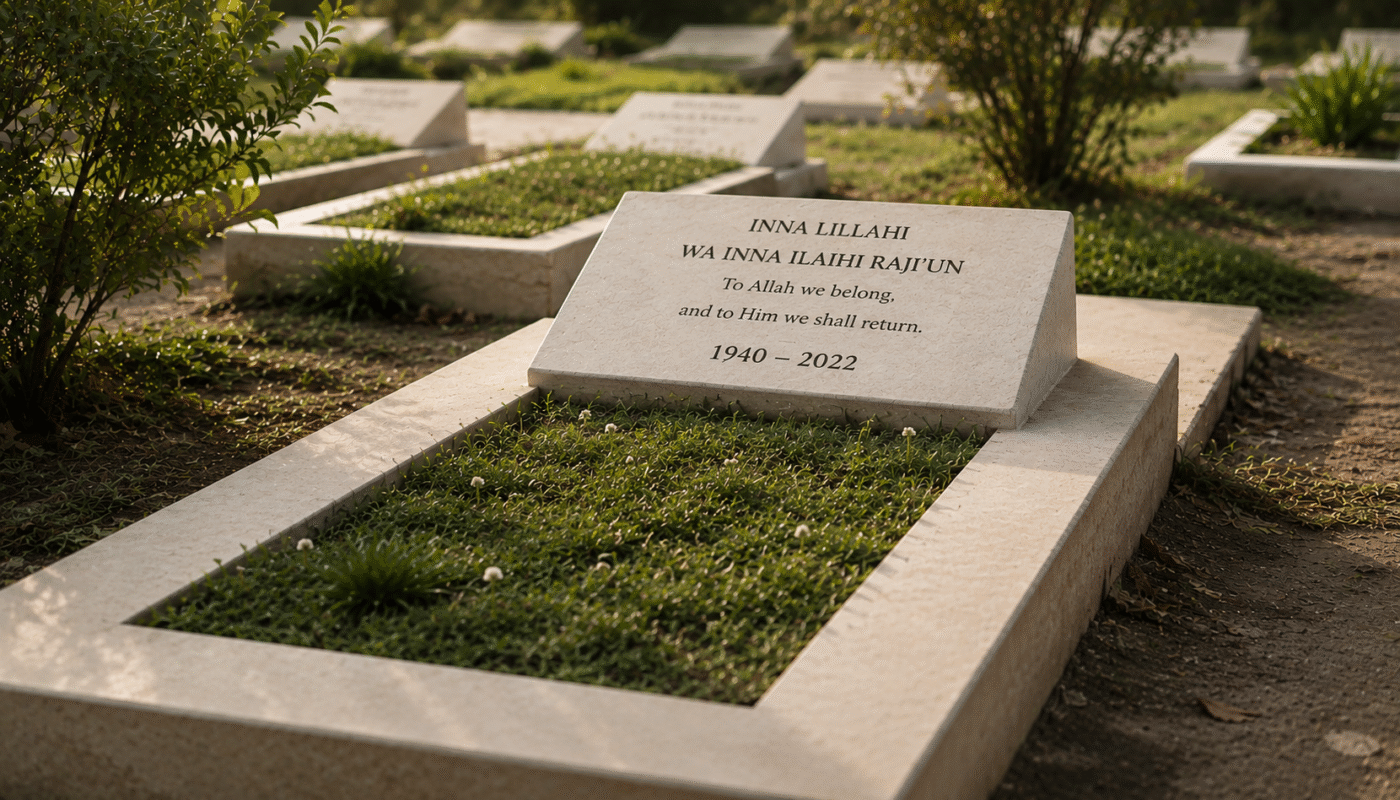
Attending an Islamic funeral when you’re not Muslim can feel unfamiliar, but your presence offers meaningful support to grieving families. Muslim funerals follow specific practices rooted in Islamic teachings, emphasizing simplicity, prompt burial, and community support. Understanding basic etiquette helps you participate respectfully while honoring Islamic traditions.
What to Wear
Women: Dress conservatively with modest coverage. Long sleeves, long skirts or pants, and a headscarf are appropriate. The headscarf (hijab) should cover your hair, neck, and shoulders. If you don’t have one, the mosque or funeral home will typically provide scarves. Avoid tight-fitting, sheer, or revealing clothing.
Men: Long pants and long-sleeved shirts are appropriate. Avoid shorts, tank tops, or casual wear. Dark, conservative colors are customary though not strictly required.
Colors: While black is common at Western funerals, Muslims often wear regular conservative clothing without requiring black. Modest, respectful dress in any conservative color is acceptable.
Shoes: You’ll need to remove shoes before entering the mosque prayer area. Wear clean socks without holes, or bring socks to put on after removing shoes.
Before the Service
Arrive promptly: Muslim funerals often occur within 24 hours of death, sometimes with short notice. Arrive on time or slightly early.
Shoe removal: Remove your shoes before entering the mosque prayer hall, placing them in the designated area.
**Gender sepa
ration**: Many mosques have separate areas for men and women during prayers. Women typically pray in a separate room or behind a partition. Follow the mosque’s layout and designated areas.
Ritual purity: Muslims perform ablution (wudu) before prayer. As a non-Muslim guest, you’re not required to perform wudu, though you should arrive clean and presentable.
Respectful behavior: Enter quietly, silence cell phones, and observe the solemn atmosphere.
During the Janazah (Funeral Prayer)
The prayer service: The janazah is a brief prayer service, typically 15-30 minutes, performed standing throughout without bowing or prostration.
Body present: The deceased’s body is present during janazah, positioned at the front with feet toward the qiblah (direction of Mecca).
No music or eulogies: Islamic funerals don’t typically include music, lengthy eulogies, or elaborate ceremonies. The focus is prayer for the deceased’s soul.
Prayer participation: As a non-Muslim, you’re not expected to participate in the prayer itself, but should stand respectfully and quietly. If you’re uncertain, standing at the back observing silently is always appropriate.
Language: Prayers are recited in Arabic, the language of Islamic scripture.
Casket: The body is often in a simple casket or on a bier, covered with a cloth. Open casket viewings are not typical.
At the Burial
Attending the cemetery: Non-Muslim friends are welcome at the burial, which typically follows immediately after janazah prayers.
Prompt burial: Muslims bury the deceased as quickly as possible after the funeral prayer, ideally on the same day.
Burial orientation: The body is positioned so it faces Mecca. In California, this typically means facing northeast.
Graveside prayers: Brief prayers are recited at the graveside before burial begins.
Observing respectfully: Stand at a respectful distance, allowing family and Muslim community members to be closest to the grave.
Filling the grave: Muslim men typically participate in filling the grave with earth. As a non-Muslim, you may participate if invited, or simply observe respectfully.
Gender considerations: In traditional Muslim burials, women may not attend the graveside burial, though this varies by community and family. If you’re a woman, follow the family’s customs and local practice.
Offering Condolences
What to say: Simple, sincere words are always appropriate. “I’m so sorry for your loss” or “My thoughts are with you and your family” work well.
Islamic phrases: If you want to use traditional Islamic expressions: – “Inna lillahi wa inna ilayhi raji’un” (To Allah we belong and to Him we shall return) – the phrase Muslims say upon hearing of death – “May Allah have mercy on them and grant them paradise” – “May Allah give you patience and strength”
What not to say: Avoid phrases that impose non-Islamic beliefs, such as “They’re in a better place” (which assumes knowledge of God’s judgment) or references to non-Islamic religious concepts.
Physical contact: Be mindful that some observant Muslims avoid physical contact with unrelated members of the opposite sex. A respectful nod or hand over heart gesture can replace a handshake if you’re unsure. Same-gender hugs or handshakes are typically appropriate.
Brief and sincere: Keep condolences brief at the funeral. There will be opportunities for longer support later.
After the Funeral
Community gathering: Many families hold a gathering after burial where food is served and community members offer support. Non-Muslim friends are typically welcome.
Mourning period: Muslims observe a three-day mourning period, during which family and community members visit to offer condolences and support. Widows observe a longer period (four months and ten days).
Visiting: If you wish to visit the family during the mourning period, coordinate with mutual friends about appropriate times. Bring food if appropriate (ensure it’s halal if the family follows halal dietary laws).
Long-term support: Continued support in the weeks and months following death is greatly appreciated, as with any grieving family.
What Not to Do
Don’t bring flowers: Flowers aren’t traditional at Muslim funerals. If you want to offer something, bring food to the family home or make a charitable donation.
Don’t sit on prayer rugs: If prayer rugs are laid out, these are for prayer only. Sit in designated seating areas.
Don’t take photos: Funerals are not occasions for photography in Islamic tradition.
Don’t enter opposite-gender areas: Respect gender separation if the mosque or family observes this practice.
Don’t eat or drink in the prayer hall: The mosque prayer hall is a sacred space where eating and drinking don’t occur.
Don’t bring or wear shoes into prayer areas: Always remove shoes in designated areas.
Cultural Variations
Muslim communities come from diverse cultural backgrounds—Arab, South Asian, African, Southeast Asian, and many others. While core Islamic funeral practices remain consistent, you may notice cultural variations:
Cultural customs: Some communities incorporate cultural traditions alongside Islamic practices (such as specific clothing, food traditions, or community gatherings).
Language: While prayers are in Arabic, the community’s primary language may be Arabic, Urdu, Turkish, Somali, Indonesian, or English.
Strictness of gender separation: This varies by community, from strict separation to more integrated gatherings.
Welcoming approach: Some communities are accustomed to interfaith attendance and will proactively welcome and guide non-Muslim guests. Others may have less experience with non-Muslim attendees but will appreciate your respectful presence.
Your Presence Honors Friendship
Your attendance at a Muslim funeral demonstrates care and respect for your friend, colleague, or family member. Even if you’re uncertain about customs, your genuine presence matters more than perfect etiquette. Muslims value community support during times of loss, and your willingness to attend honors both the deceased and their family.
When in doubt, observe what others do, ask quietly for guidance, or stand respectfully in a designated area. The Muslim community will appreciate your effort to show support during this difficult time.
Questions About Muslim Funeral Attendance
If you have questions about attending an Islamic funeral or supporting Muslim friends during bereavement, Monte Vista Memorial Gardens serves Bay Area Muslim families and can provide guidance on Islamic funeral customs.
Call 510-299-1174 for information about Muslim funeral traditions and respectful attendance practices.