
Montevista | Jewish Funeral Traditions: Complete Guide to Customs and Rituals
Jewish Funeral Traditions: Complete Guide to Customs and Rituals


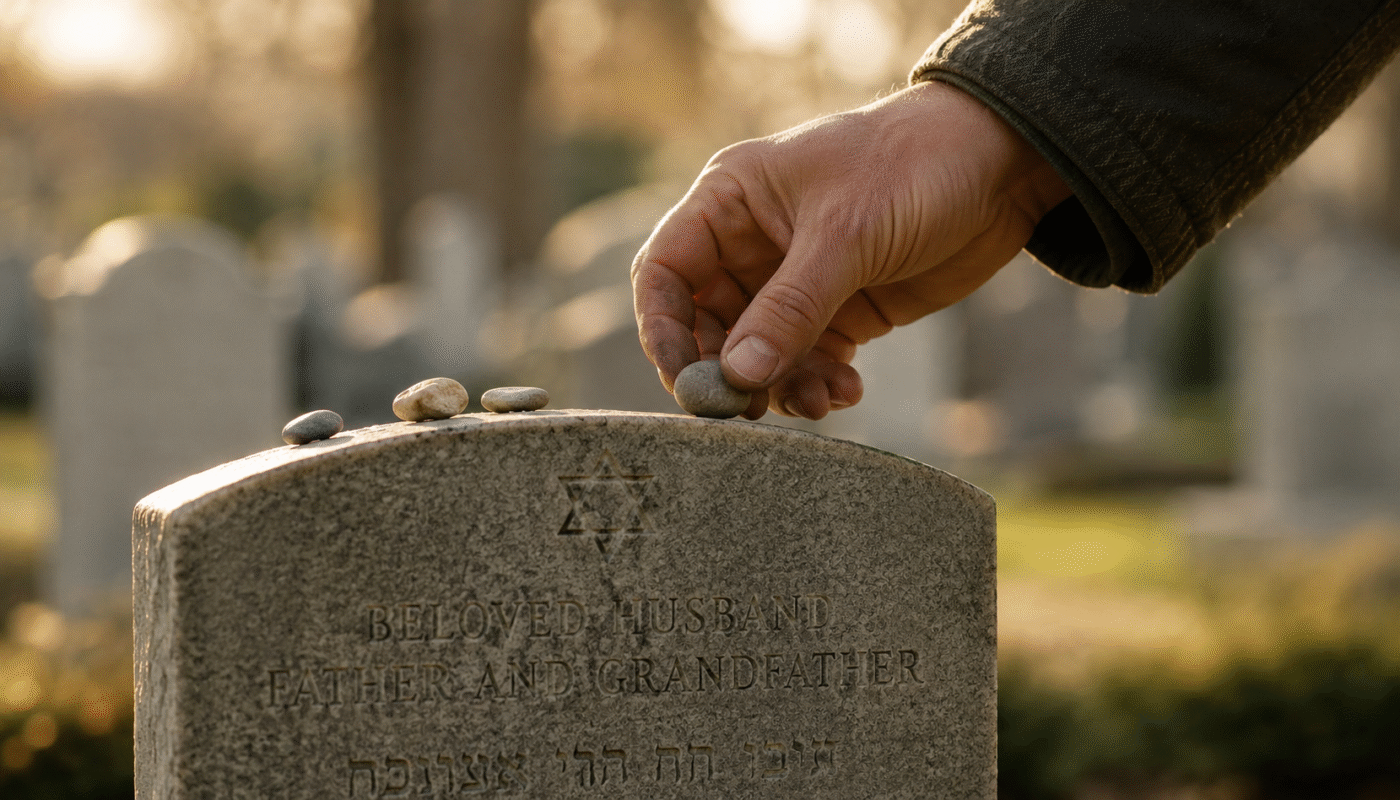
Planning a Jewish funeral means honoring traditions rooted in thousands of years of sacred practice. Whether your family observes Orthodox, Conservative, Reform, or Reconstructionist customs, understanding these rituals helps you create a service that respects both religious law and your loved one’s memory.
This guide explains Jewish funeral traditions from preparation through mourning, providing the knowledge you need to make informed decisions that honor your faith and family.
Understanding Jewish Funeral Traditions
Jewish funeral customs reflect deep spiritual beliefs about honoring the deceased, supporting the bereaved, and affirming the sanctity of life. These practices emphasize simplicity, respect, and the equality of all people in death.
Core Principles of Jewish Burial
Several fundamental principles guide Jewish funeral practices:
Kavod HaMet (honoring the dead) requires treating the deceased with utmost dignity and respect. This principle shapes every aspect of Jewish funeral preparation, from ritual washing to burial.
Nichum Aveilim (comforting the mourners) recognizes the community’s obligation to support grieving families. Jewish mourning customs create structured time for both private grief and communal support.
Simplicity and equality characterize Jewish burial practices. Traditional Jewish funerals avoid ostentatious displays, emphasizing that all people are equal in death regardless of their wealth or status in life.
Sacred Preparation: Tahara and the Chevra Kadisha
Between death and burial, the Jewish community performs sacred preparation rituals carried out by specially trained volunteers.
What Is Tahara?
Tahara is the ritual purification of the deceased, performed according to precise religious guidelines. This sacred washing cleanses the body and prepares the person for burial with dignity and respect.
The tahara ritual involves:
- Careful washing and cleansing of the body
- Pouring of continuous water over the body
- Recitation of prayers and biblical verses
- Dressing the deceased in simple burial garments
Throughout the process, those performing tahara speak to the deceased respectfully, asking forgiveness before each step and maintaining the person’s dignity.
The Role of the Chevra Kadisha
The Chevra Kadisha (literally “holy society”) is a volunteer burial society that performs tahara and prepares bodies for burial. This sacred work is considered one of the highest mitzvot (good deeds) because it cannot be repaid—the deceased cannot thank those who perform this final kindness.
Chevra Kadisha members receive specialized training in the ritual requirements and approach their work with reverence and care. Many Jewish communities maintain active Chevra Kadisha groups, ensuring these traditions continue.
Monte Vista Memorial Gardens provides appropriate facilities for Chevra Kadisha groups to perform tahara according to traditional requirements, respecting the sacred nature of this ritual.
Shomrim: Watching Over the Deceased
Jewish tradition holds that the deceased should not be left alone between death and burial. Family members or community volunteers serve as shomrim (watchers or guardians), remaining with the body and reciting psalms.
This practice shows respect for the deceased and provides comfort to the family, knowing their loved one is accompanied and honored during this transition.
Jewish Burial Customs and Requirements
Jewish law establishes specific requirements for burial, though practices vary across different movements within Judaism.
Timing of Burial
Traditional Jewish law requires burial as soon as possible after death, ideally within 24 hours. This reflects the commandment to bury the dead promptly and the belief that delaying burial shows disrespect to the deceased.
However, burial may be delayed for several reasons:
- Waiting for immediate family members to arrive from distant locations
- Sabbath or major Jewish holidays (burials cannot occur during these times)
- Need to complete required legal procedures
- Circumstances requiring investigation by authorities
Reform and some Conservative communities may allow more flexibility in timing, particularly when families need additional time to gather.
Traditional Jewish Caskets
Traditional Jewish burial uses simple wooden caskets without metal parts, reflecting the principle that all people are equal in death. The plain casket allows the body to return naturally to the earth, fulfilling the biblical phrase “dust to dust.”
Orthodox and many Conservative families use caskets made entirely of wood with wooden pegs instead of nails or screws. Some communities require caskets with holes drilled in the bottom to facilitate contact with the earth.
Reform communities may allow more elaborate caskets, though many families still choose simple wooden caskets to honor tradition.
Burial Garments: The Tachrichim
The deceased is dressed in tachrichim, simple white linen or muslin burial shrouds. These handmade garments consist of several pieces:
- Pants and shirt
- Tunic and belt
- Head covering
- Kittel (white robe)
- Tallit (prayer shawl for men, with one corner cut to indicate it’s no longer used for prayer)
The white garments symbolize purity and equality—every Jew is buried in identical simple garments regardless of their wealth or status in life.
Jewish Burial Practices
Traditional Jewish burial places the casket directly in the earth without an outer burial container. The casket is positioned so the deceased faces Jerusalem.
Many Jewish cemeteries require burial vaults due to cemetery maintenance requirements. When vaults are required, families work with cemetery staff to balance traditional preferences with practical regulations.
Filling the grave is considered a sacred act of kindness. Family members and attendees often participate in filling the grave, taking turns with the shovel. Some traditions turn the shovel upside down or place it in the ground rather than handing it directly to the next person, symbolizing that this sad task should not be passed easily from person to person.
The Jewish Funeral Service
Jewish funeral services emphasize honesty about death, grief, and loss while celebrating the deceased’s life and legacy.
Structure of the Service
Traditional Jewish funeral services include:
Kriah (tearing): Immediate family members tear their clothing or a black ribbon to symbolize the tear in their lives caused by death. Parents are mourned on the left side (over the heart), while other relatives are mourned on the right side.
Psalms and prayers: Recitation of Psalm 23 and other appropriate psalms, along with the memorial prayer El Malei Rachamim (God full of compassion).
Hesped (eulogy): One or more people speak about the deceased, sharing memories and honoring their life. Jewish tradition values honest eulogies that acknowledge the person’s true character, including both strengths and human imperfections.
Kaddish: The mourner’s prayer, recited by immediate family members. Contrary to common belief, the Kaddish does not mention death—instead, it praises God and affirms life.
Who Leads the Service?
Orthodox and Conservative funerals are typically led by a rabbi who knew the deceased or works with the family to learn about them. The service is conducted in Hebrew with English explanations.
Reform funerals may include more English and often incorporate personal elements like music or readings the deceased loved.
Some families choose graveside services only, omitting a chapel or synagogue service and gathering directly at the cemetery for prayers and burial.
Jewish Mourning Traditions: From Shiva to Yahrzeit
Jewish tradition provides structured mourning periods that honor grief while supporting gradual healing and return to daily life.
Shiva: The First Seven Days
Shiva (meaning “seven”) is the intensive seven-day mourning period immediately following burial. During shiva:
Mourners remain at home (the “shiva house”), refraining from work and regular activities. The community brings food and visits to offer comfort and support.
Mirrors are covered, removing focus from physical appearance and encouraging internal reflection.
Mourners sit on low chairs or stools, symbolizing being “brought low” by grief.
A memorial candle burns continuously for seven days.
Prayer services are held at the shiva house morning and evening, allowing mourners to recite Kaddish without leaving home.
Shiva provides time for intense grief, shared memories, and communal support when loss is most acute.
Shloshim: The First Thirty Days
Shloshim (meaning “thirty”) extends mourning for 30 days from burial. After shiva ends, mourners gradually return to normal activities while still observing certain restrictions:
- Continued recitation of Kaddish at daily services
- Avoidance of celebrations, parties, or live music
- Some continue avoiding haircuts and new clothes
For parents, the shloshim period is extended to a full year, reflecting the unique bond between parent and child.
The Year of Mourning
When mourning a parent, children observe practices for a full year:
- Daily recitation of Kaddish for 11 months (not the full year, to avoid suggesting the parent needed the maximum time of judgment)
- Avoidance of celebrations and entertainment
- Focused reflection on the parent’s values and legacy
Yahrzeit: The Annual Anniversary
Each year on the Hebrew date of death, families observe yahrzeit by:
- Lighting a 24-hour memorial candle at sunset
- Attending synagogue to recite Kaddish
- Visiting the grave
- Giving charity in the deceased’s memory
- Studying Torah or other Jewish texts
Yahrzeit creates an annual marker for remembrance, ensuring the deceased remains part of the family’s ongoing life.
Yizkor: Memorial Services
Four times each year, synagogues hold Yizkor (remembrance) memorial services:
- Yom Kippur (Day of Atonement)
- Sukkot (Festival of Tabernacles)
- Passover
- Shavuot (Festival of Weeks)
During Yizkor, the community collectively remembers all who have died, reciting prayers and making charitable pledges in their memory.
Variations Across Jewish Movements
While core Jewish funeral traditions remain consistent, different movements within Judaism interpret and apply these customs differently.
Orthodox Traditions
Orthodox communities follow traditional Jewish law most strictly:
- Burial within 24 hours when possible
- No embalming except when legally required
- Simple wooden caskets without metal
- Closed caskets (viewing the deceased is generally discouraged)
- Separation of men and women during services and shiva
- Hebrew-language prayers and services
Conservative Practices
Conservative Judaism maintains traditional practices with some modern adaptations:
- Generally follows traditional burial timing and preparation
- May allow brief viewing periods before closing the casket
- Services include both Hebrew and English
- Some flexibility on gender separation during mourning
- May adapt certain customs for contemporary circumstances
Reform Approaches
Reform Judaism offers more flexibility while respecting tradition:
- May allow embalming and longer periods before burial
- More elaborate caskets sometimes permitted
- Open casket viewings sometimes held
- Services incorporate significant English
- Gender-egalitarian practices
- Greater flexibility in interpreting mourning requirements
Reconstructionist and Other Movements
Other Jewish movements blend traditional practices with contemporary values, creating meaningful rituals that honor both heritage and modern sensibilities.
Honoring Jewish Traditions at Monte Vista Memorial Gardens
Monte Vista Memorial Gardens serves Bay Area Jewish families with respect for the sacred traditions that have guided Jewish communities for millennia. Monte Vista plans to offer a dedicated Jewish burial section as the cemetery develops, and our team can work with families and Chevra Kadisha groups to coordinate tahara at appropriate off-site facilities.
We understand the importance of prompt burial and work closely with families and rabbis to coordinate services that honor both religious requirements and California regulations. Whether your family observes Orthodox, Conservative, Reform, or other traditions, our team provides knowledgeable support without pressure or judgment.
Our staff is trained in Jewish funeral customs and works respectfully with families to ensure every detail—from casket selection to graveside service coordination—aligns with your religious and personal preferences.
Key Takeaways
Understanding Jewish funeral traditions helps you honor your loved one according to sacred customs while making informed decisions:
-
Tahara and Chevra Kadisha: Ritual purification performed by trained volunteers honors the deceased with dignity and respect.
-
Prompt burial: Traditional Jewish law requires burial as soon as possible, ideally within 24 hours, though circumstances may require delays.
-
Simple burial: Plain wooden caskets and white burial shrouds emphasize the equality of all people in death.
-
Structured mourning: Shiva, shloshim, and the year of mourning provide time for grief while gradually returning to daily life.
-
Community support: Jewish mourning traditions emphasize communal responsibility to comfort the bereaved through visits, prayer, and practical assistance.
Honoring Jewish Traditions with Respect
Jewish families throughout the Bay Area trust Monte Vista to honor their sacred traditions with authentic cultural competence and respect. Our team understands the importance of these ancient customs and provides the facilities, coordination, and support needed to observe them fully.
Call 510-299-1174 to discuss how we can support your family’s traditions, or speak with your rabbi about coordinating services at Monte Vista Memorial Gardens.