
Montevista | What to Expect at a Jewish Funeral: Etiquette for Non-Jewish Guests
What to Expect at a Jewish Funeral: Etiquette for Non-Jewish Guests


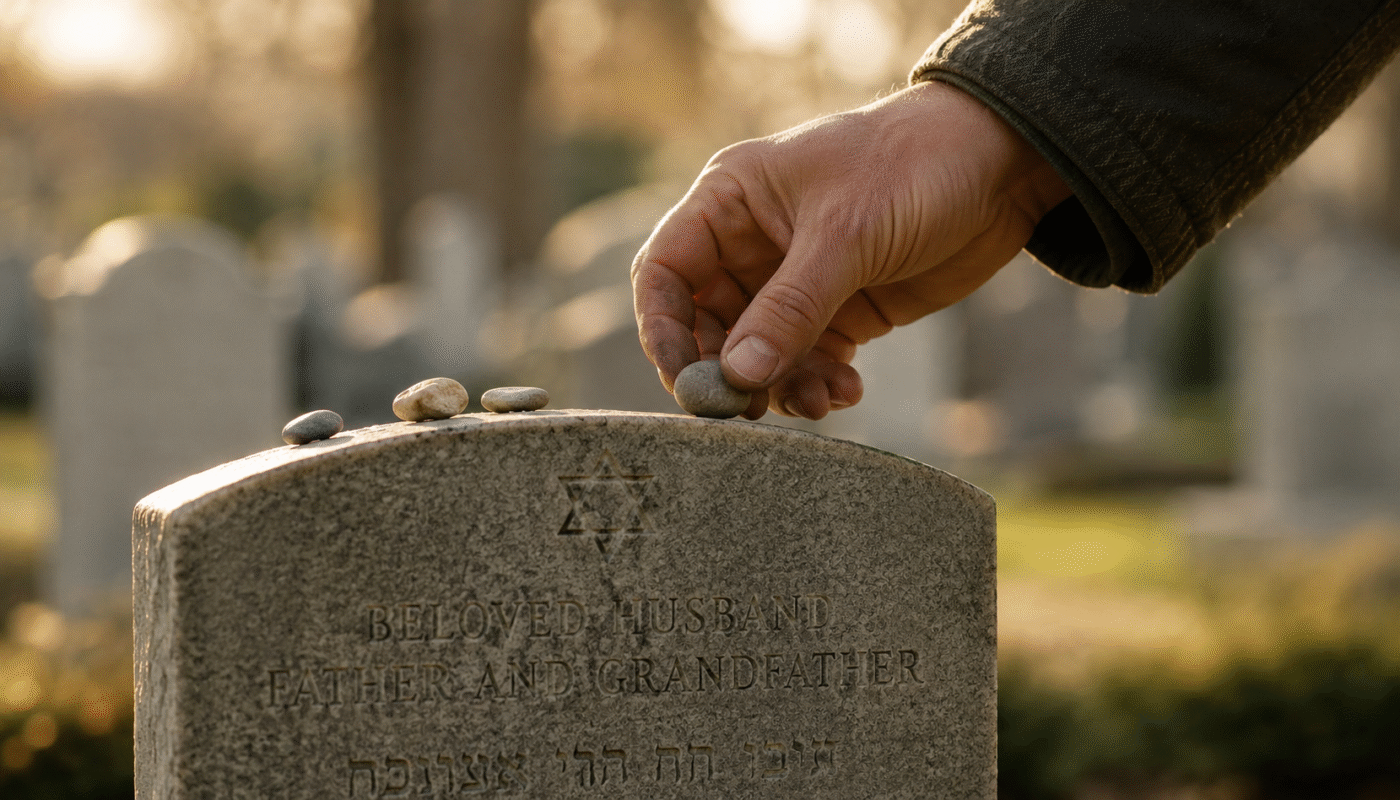
Attending a Jewish funeral for the first time can feel uncertain if you’re unfamiliar with Jewish customs. Jewish funerals follow specific traditions rooted in religious law and thousands of years of practice, but non-Jewish friends and colleagues are welcomed and expected at these services. Understanding basic etiquette helps you offer support respectfully while honoring the family’s faith traditions.
What to Wear
Men: Dark suit or dress pants with button-down shirt. A tie is appropriate but not always required. All men must cover their heads with a yarmulke (kippah), which will be provided at the funeral home or synagogue entrance if you don’t have one. Some Jewish communities may provide or request a tallit (prayer shawl), though this is typically only for Jewish men.
Women: Conservative dress in dark or muted colors. Knee-length or longer skirts or dresses, or dress pants. Cover shoulders and avoid low necklines. In Orthodox communities, married women cover their hair, though this doesn’t apply to non-Jewish guests. Some Conservative and all Orthodox synagogues request that women also cover their heads; scarves or hats will be available if needed.
General guidelines: Choose respectful, modest clothing. Avoid bright colors, casual wear, or anything revealing. Black is traditional, though navy, gray, or other dark colors are acceptable.
Before the Service
Arrive on time: Jewish funerals typically start promptly. Arrive 10-15 minutes early to find seating and receive any materials.
Head covering: If you’re male, put on the yarmulke provided at the entrance. If you’re unsure how to position it, observe others or ask for help.
Quiet respect: Enter quietly and take your seat. The atmosphere is solemn and reflective.
No flowers: Jewish funerals traditionally do not include flowers. If you want to honor the deceased, consider making a charitable donation in their memory instead.
During the Funeral Service
Closed casket: Most Jewish funerals feature a closed casket covered with a simple cloth (pall). Open casket viewings are not typical in Jewish tradition.
Service structure: The funeral includes psalms, prayers, and eulogies. Services are often brief—30-60 minutes—and may be conducted partially or entirely in Hebrew.
Participation: You may stand and sit with the congregation, though you’re not required to recite Hebrew prayers if you don’t know them. Respectful silence is always appropriate.
Prayer books: If prayer books are provided, you may follow along. Hebrew text typically reads right to left.
Kriah (tearing): You may witness immediate family members tearing their clothing or a black ribbon pinned to their garments. This symbolizes the tear in their lives caused by death. Observe respectfully—this is a meaningful ritual for mourners.
At the Graveside
Attending the burial: Non-Jewish friends are welcome at the cemetery for the graveside committal service.
Standing respectfully: Stand near the family but allow immediate relatives to be closest to the grave.
Burial prayers: The rabbi will recite final prayers, including the Kaddish (mourner’s prayer). Stand quietly during these prayers.
Filling the grave: Jewish tradition considers filling the grave a sacred final act of kindness. Family members and attendees often take turns placing shovelsfuls of earth into the grave. You may participate if you wish, though it’s not required. Some traditions place the shovel in the ground rather than handing it directly to the next person.
Washing hands: Upon leaving the cemetery, there may be a basin of water near the exit. Jewish tradition includes ritual hand washing after leaving a cemetery. Non-Jewish guests may participate if they wish, or simply observe respectfully.
Offering Condolences
What to say: Simple, sincere words are best. “I’m so sorry for your loss” or “I’m thinking of you and your family” are always appropriate.
Traditional Jewish phrase: If you want to use the traditional Jewish expression, you can say “May their memory be a blessing” or “May you be comforted among the mourners of Zion and Jerusalem” (though the latter is more commonly used by Jewish mourners to each other).
What not to say: Avoid phrases that minimize grief or impose religious views, such as “They’re in a better place” or “It was God’s plan.” Also avoid comparing their loss to others or sharing your own loss stories unless specifically asked.
Brief and sincere: Keep condolences brief at the funeral. There will be time for longer conversations during shiva visits.
Visiting During Shiva
The shiva period: For seven days after burial, immediate family observes shiva, staying home to mourn while community members visit to offer comfort.
Visiting protocol: Shiva visits are expected and welcomed. Visit during announced times (often listed in the obituary or shared by the family).
Entry customs: The door may be unlocked—enter without knocking, as mourners don’t host in the traditional sense during shiva. Some homes have a sign directing visitors to enter.
Finding the mourners: Mourners typically sit on low chairs or stools. Approach them, offer a brief condolence, and allow them to lead conversation.
Food: Visitors often bring food to support the family. If bringing food, ensure it’s kosher if the family observes kashrut (Jewish dietary laws). Check with other family members or friends if you’re unsure.
Service attendance: Evening and sometimes morning prayer services may be held at the shiva house. Non-Jewish visitors are welcome to observe respectfully.
Brief visits: Shiva visits typically last 20-30 minutes unless the mourner engages you in longer conversation.
What Not to Do
Don’t bring flowers: As mentioned, flowers aren’t traditional at Jewish funerals or during shiva.
Don’t initiate conversation: At shiva, wait for the mourner to speak first. Let them guide the conversation.
Don’t try to cheer them up: Grief is natural and expected. Don’t minimize their loss or try to make them feel better with platitudes.
Don’t take photos: Funerals are not occasions for photography, especially in Orthodox and Conservative Jewish communities.
Don’t attend if you’re ill: If you’re sick, send a card or message instead of attending in person.
Your Presence Matters
Your attendance at a Jewish funeral or shiva visit demonstrates care and support for your friend, colleague, or family member during a difficult time. Even if you’re uncertain about customs, your genuine presence and respect mean more than perfect etiquette. When in doubt, observe what others do, ask family members quietly for guidance, or simply remain respectfully present.
Jewish tradition places high value on accompanying mourners and showing up for those in grief. Your willingness to attend and support your Jewish friends honors both them and their traditions.
Questions About Jewish Funeral Attendance
If you have questions about attending a Jewish funeral or supporting Jewish friends during mourning, Monte Vista Memorial Gardens serves Bay Area Jewish families and can provide guidance on customs and etiquette.
Call 510-299-1174 for information about Jewish funeral traditions and respectful attendance practices.